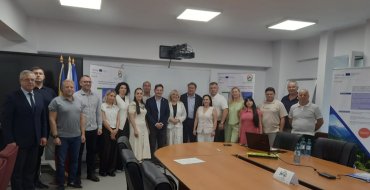
Traditions That Bridge Borders: A Delegation from UzhNU Attended the DRANICA.24 Workshop in Romania
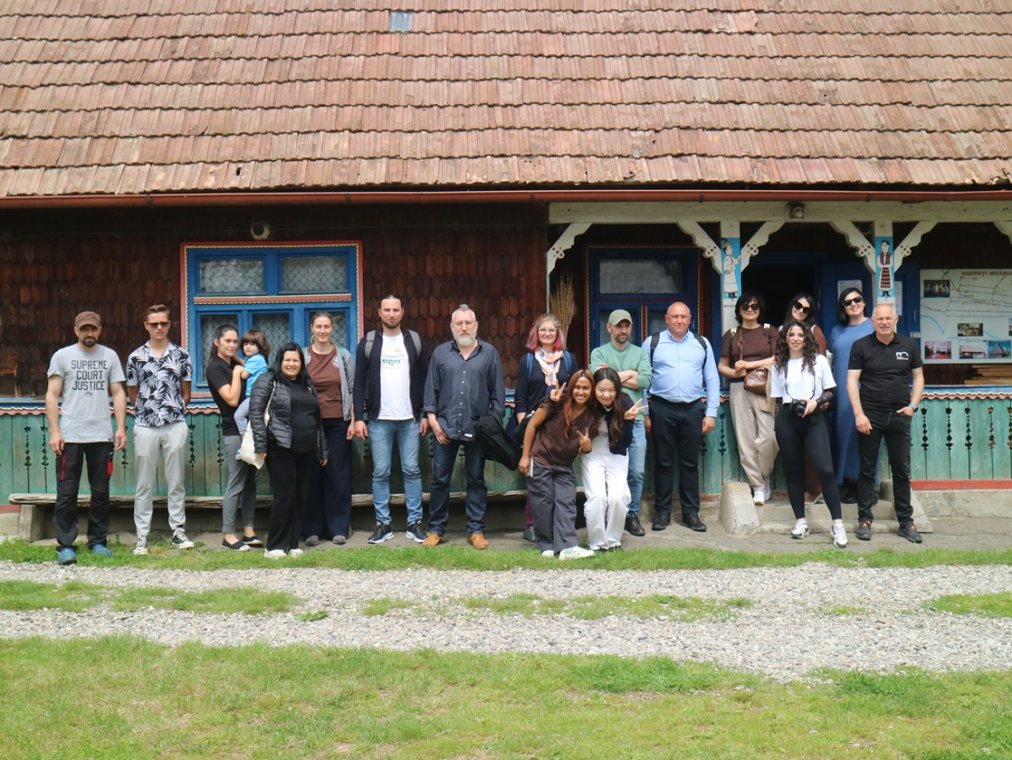
A delegation from Uzhhorod National University attended the first workshop as part of the DRANICA.24 project, which aims to preserve and promote the intangible cultural heritage of woodworking in the Hungary–Romania–Ukraine cross-border region. The event took place in the Romanian village of Sepincă in Maramureș.
As a reminder, the initiative involves researching traditional woodworking techniques and tools, organizing thematic events, and promoting the region’s cultural and tourism potential. The project is designed to strengthen cooperation between communities and foster closer ties between Ukraine and EU countries.
The project partners are the Maramures Museum, Uzhhorod National University, and the University of Miskolc. The first phase of the DRANICA.24 project, dedicated to researching woodworking traditions and documenting ancient techniques, tools, and craftsmanship, recently concluded. The second phase of the project has now begun—the organization of international workshops, which the Romanian side was the first to launch.
The UzhNU delegation included Communications Manager and Head of the International Department Oksana Svezhentseva, Ruslana Voloshyn, who is responsible for legal and personnel matters, as well as researchers from the Department of Archaeology, Ethnology, and Cultural Studies: Associate Professors Nadiya Keretsman, Volodymyr Hutsul, Yurii Slavik, and Senior Lecturer of the Department of Romance Languages and Foreign Literature Taras Datsio.
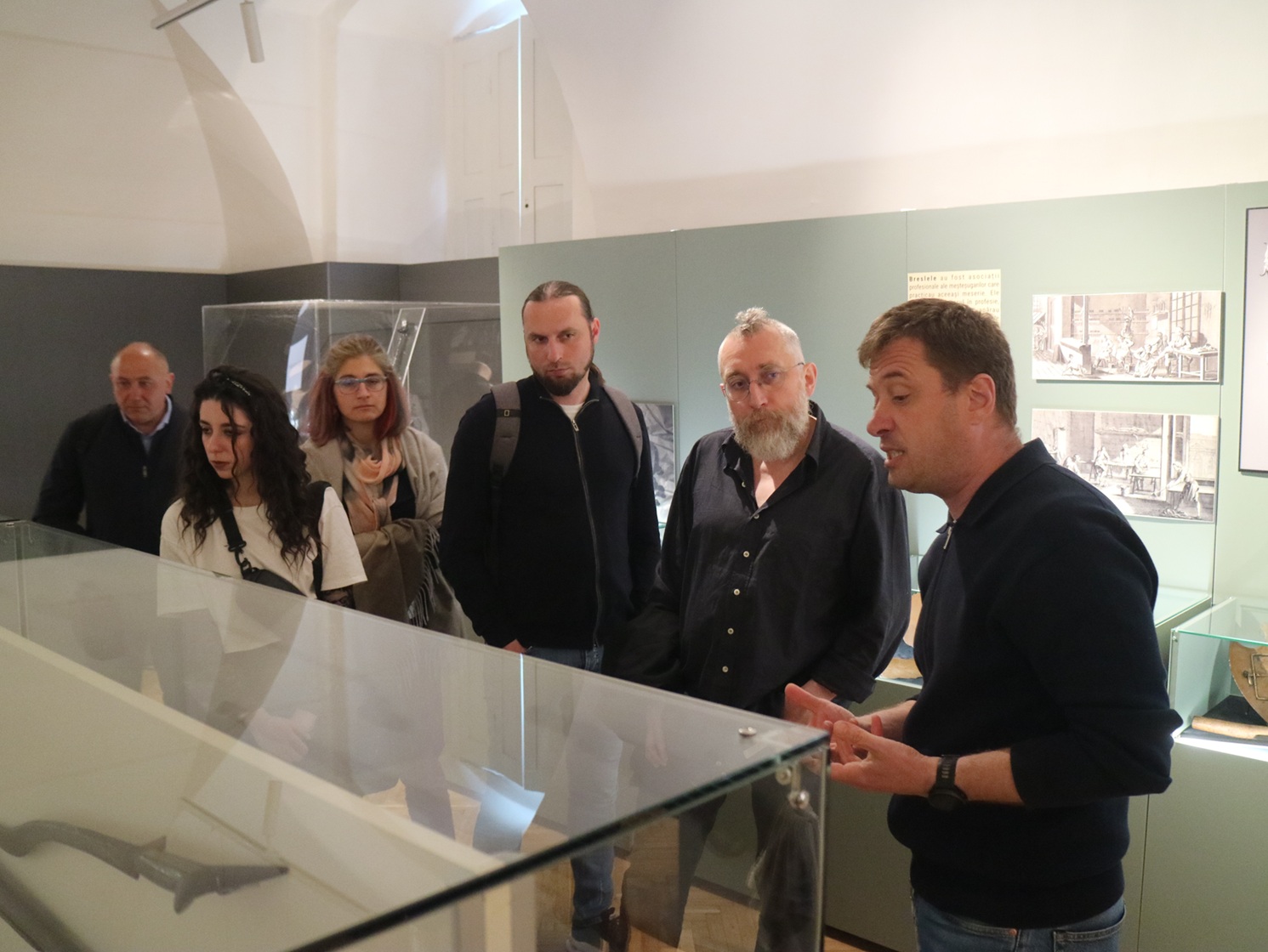
First, the participants visited the Maramures Museum, located in the center of Sighetu Marmatiei. The guests were given a tour of the museum’s exhibits, which feature collections on the history, archaeology, ethnography, and natural sciences of the Maramures region.
The highlight of the day took place in the village of Sapanta, home to the “Merry Cemetery”—one of the most famous and unusual cemeteries in the world. Here, over 800 wooden crosses with vivid paintings and humorous epitaphs tell the life stories of the deceased—often with irony, everyday details, or even descriptions of the circumstances of their deaths.
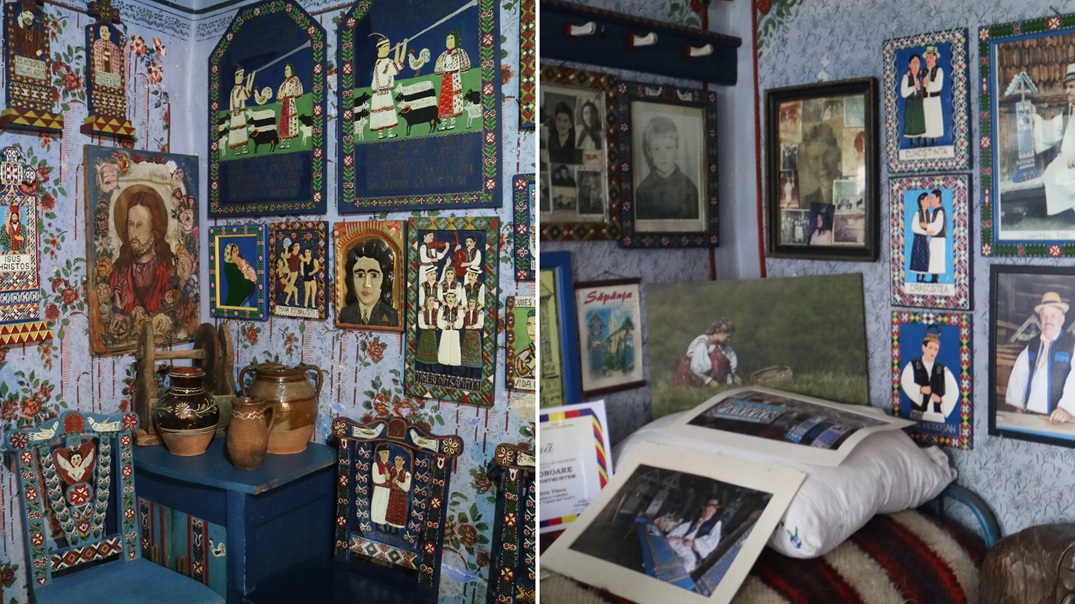
The principle of “speak well of the dead or not at all” does not seem to apply in Sepința. The crosses depict scenes from people’s everyday lives, and the texts are written in a humorous and sometimes ironic style.
This is probably one of the few cemeteries in the world where visitors not only mourn but also smile. The epitaphs depict the lives of the deceased with the utmost sincerity—even if the deceased was a drunkard or the deceased woman was a bit of a wild child in her lifetime.
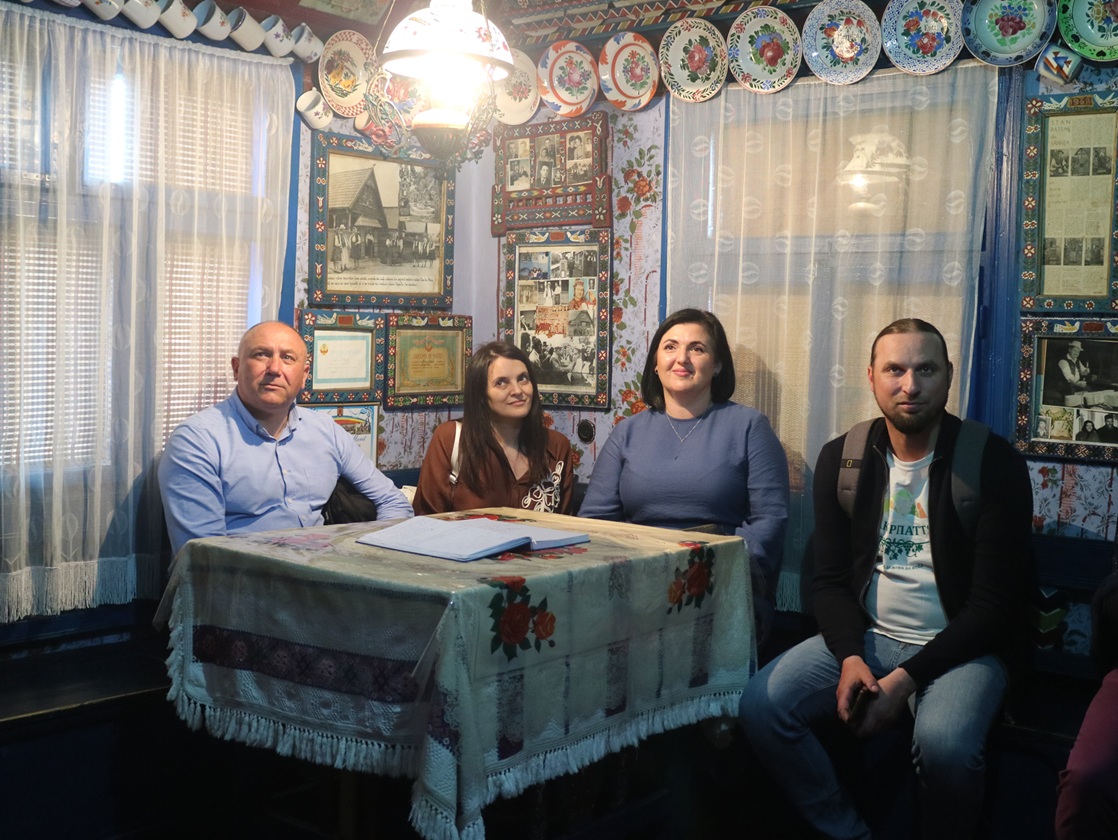
The tradition was started by local craftsman Stan Ioan Pătraș, who had been carving gravestones since he was a young man. In the 1930s, he began adding witty verses and colorful drawings to the crosses. After Pătraș’s death in 1977, his students and followers carried on his work, and the master’s house was turned into a museum. The most famous successor to his work was Dumitru Pop Tinku, who died in 2022. Today, the tradition is carried on by Stan Ioan Pătraș Jr.—the great-grandson of the cemetery’s founder and son-in-law of Dumitru Pop Tinku.
Dumitru Pop Tinku’s daughter, Annamari Stan, led the guests on a tour of the house-museum. Next, we moved on to the most interesting part of the visit—a workshop on carving traditional gravestones, which Stan Ioan Pătraș Jr. led for the delegations. The master spoke in detail about working with wood, carving techniques, painting, and his overall approach to creating gravestones.
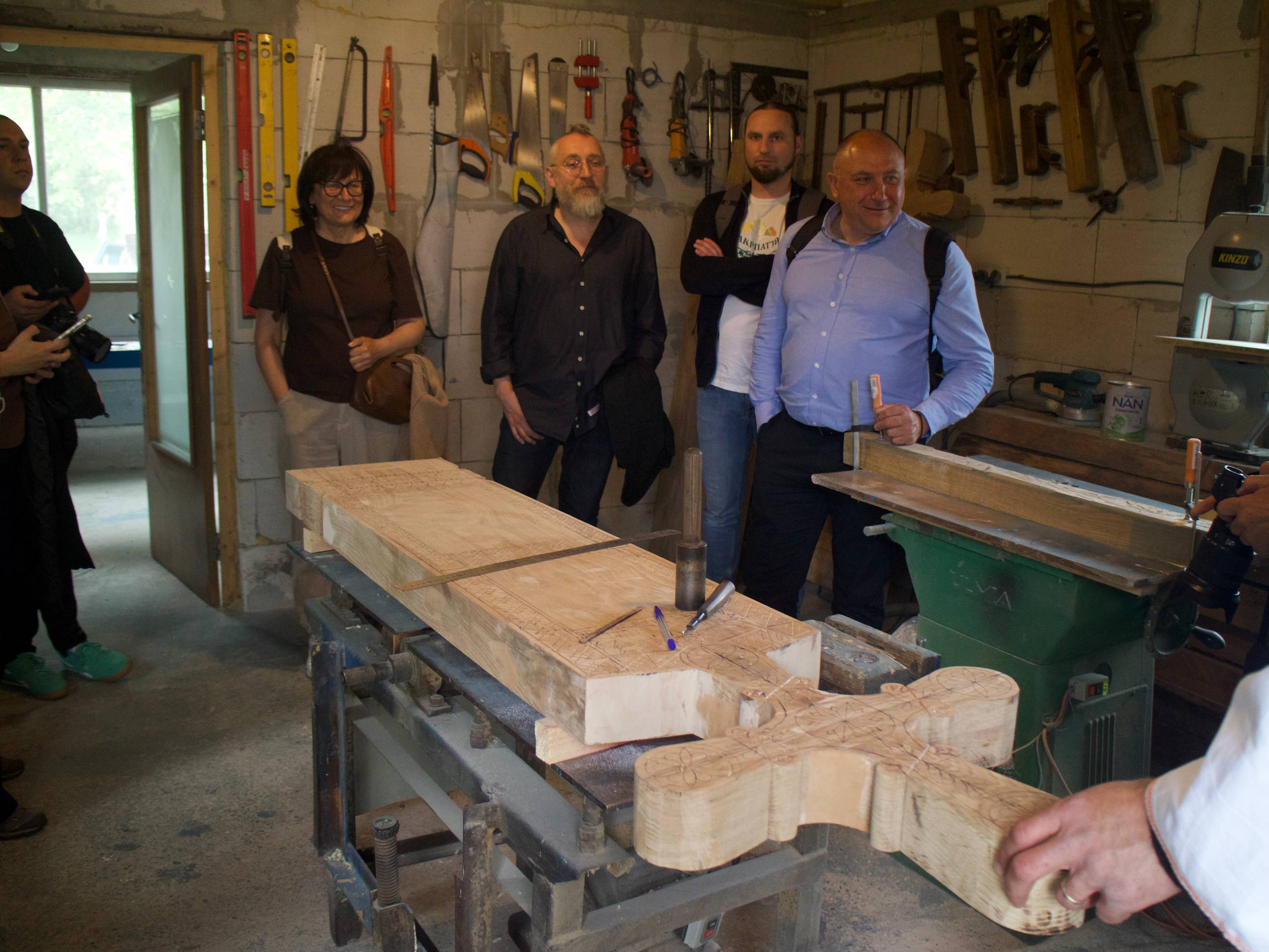
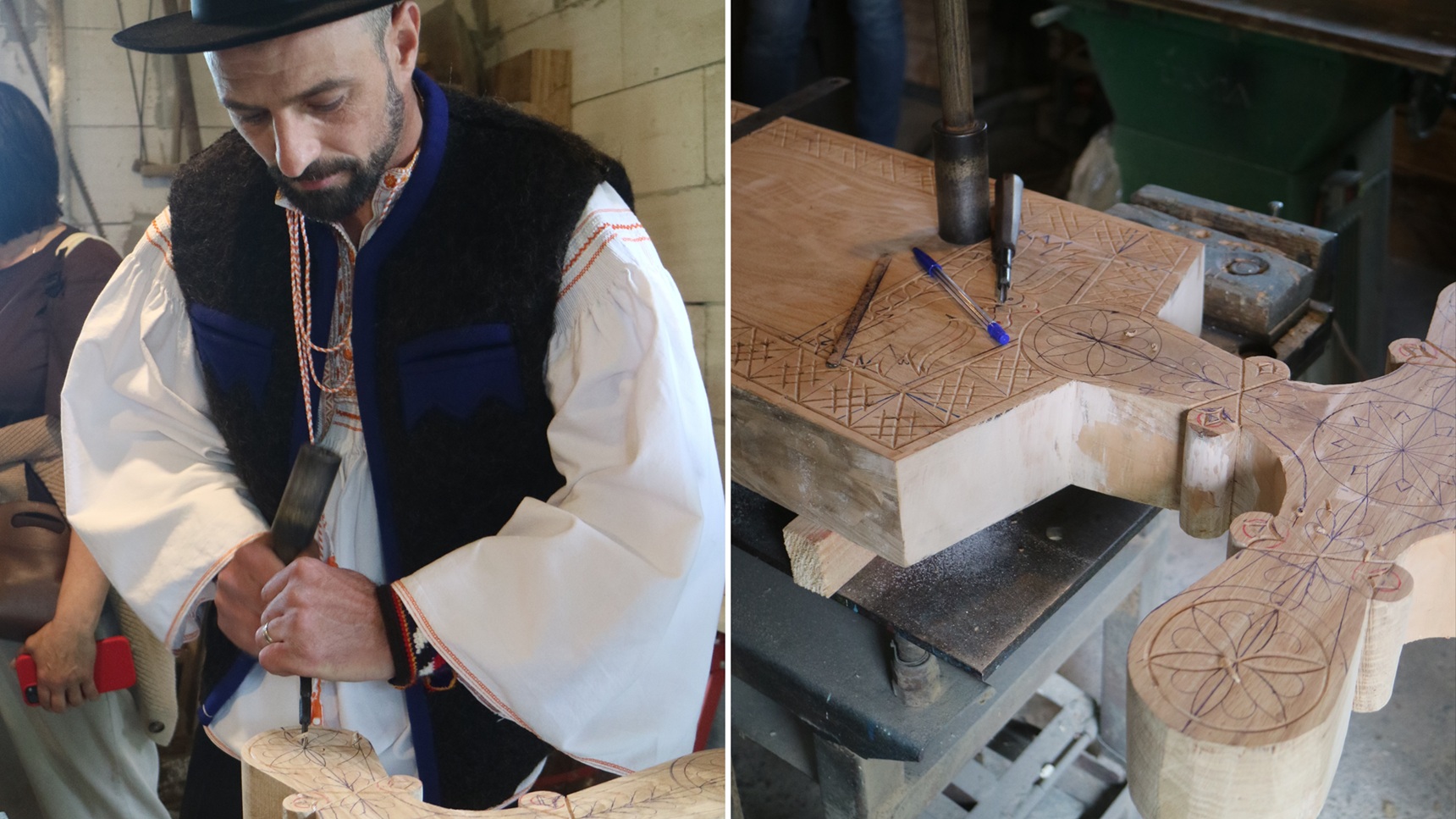
One of the most interesting parts is the design of the inscriptions. According to the master, everyone in Sepinets knows each other; the community there is very close-knit, so he always knows exactly what to write and what will be true for a specific cross. Moreover, he said, there have never been any instances where the relatives of the deceased took offense at the inscriptions.
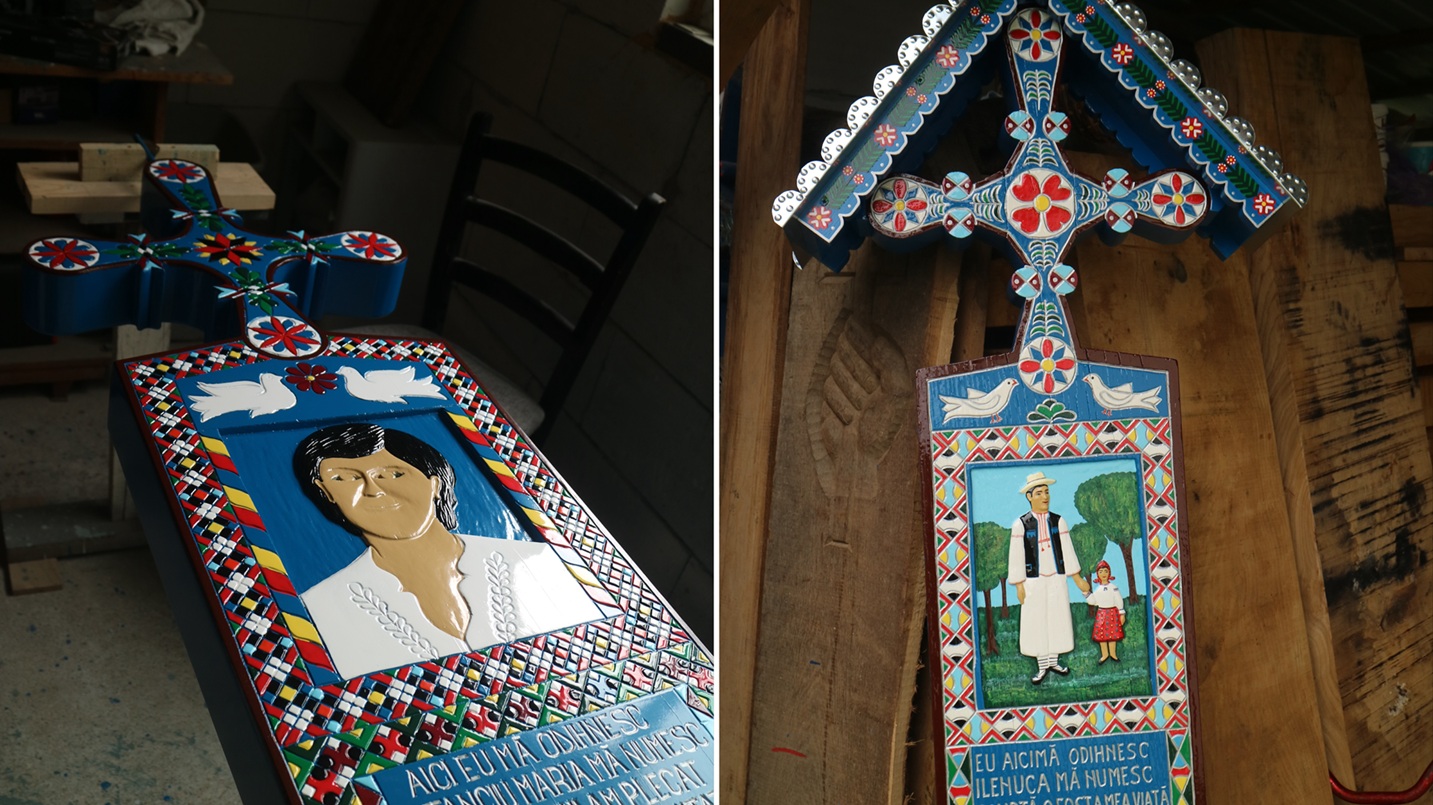
In addition to crafting headstones, the master also restores them, as wooden crosses are not durable. Although they are all made in a single style, an individual approach is maintained for each one depending on the person who will rest beneath it. This is evident even in the shades of the primary blue paint used for the design.
The guests were also given a tour of the cemetery itself. In particular, the participants visited the grave of Stan Ioan Piatras himself, who died in 1977. It is known that the master created his own cross together with his students. Engraved on it are the words: “Here lies a man who, in his entire life, never harmed anyone.”
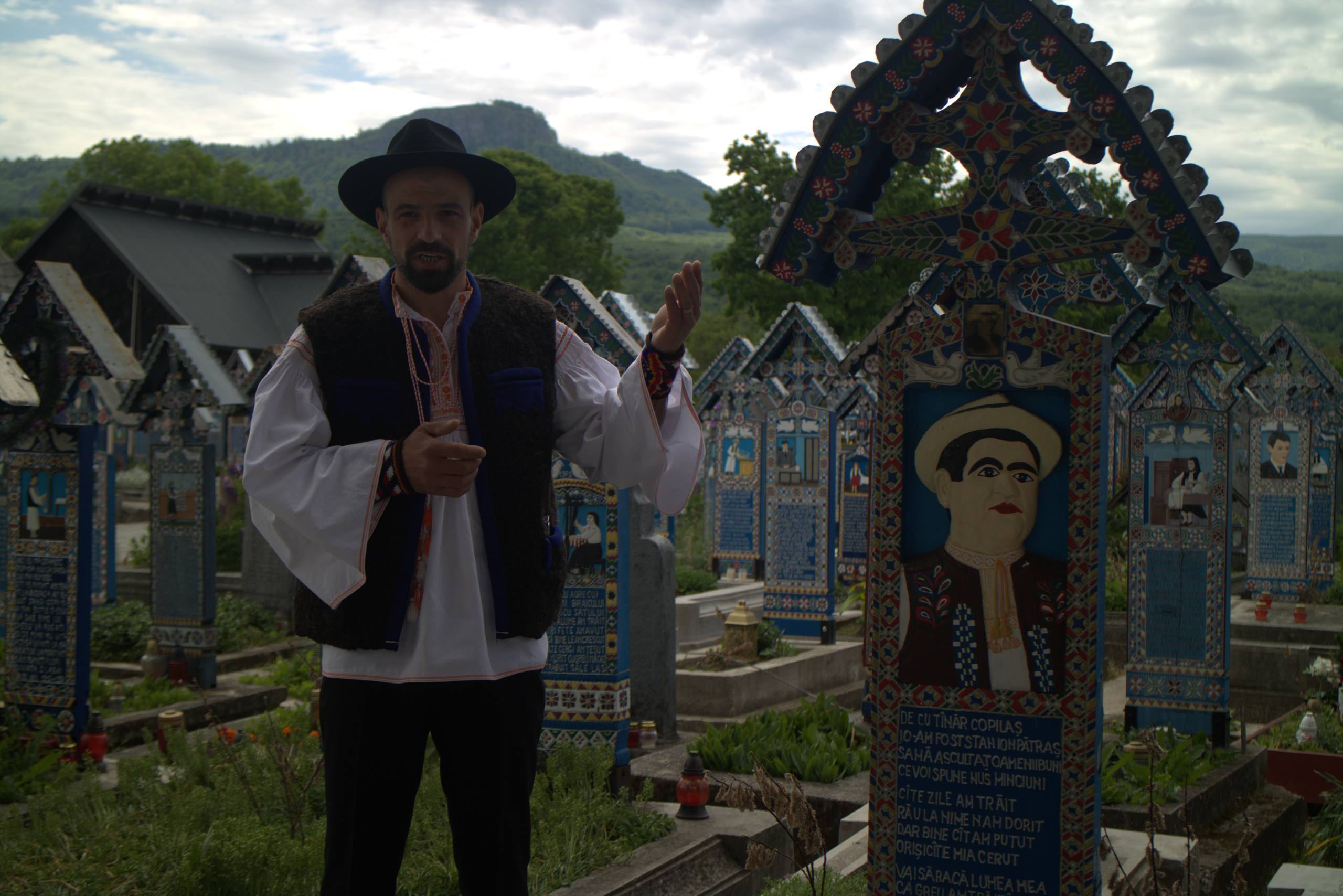
The guests also saw one of the most famous epitaphs, carved in 1969:
“Beneath this heavy cross
Lies my poor mother-in-law.
If she had lived three more days,
I would be here, and she would be reading.
You who pass by,
Try not to wake her,
For if she returns home,
She will bite my head off.
But I will make sure
That she does not return.
Stay here, my dear mother-in-law.”
Today, the Merry Cemetery has become not only a tourist highlight of Maramures but also a unique example of folk art, where the memory of people is combined with humor, sincerity, and a special perspective on life and death.
The workshop in Sepincă was not only an opportunity to learn more about the unique woodworking traditions of Maramureș, but also an important step toward deepening international cooperation among the project partners. Participants had the opportunity to see how folk art, craftsmanship, and local memory can become an important part of the region’s cultural heritage and tourist appeal.