Media Master's students took part in a series of scientific seminars organized by the British university UCLan
The scientific meetings were organized by Dr. François Nel, Deputy Director of the Institute for Creativity, Communities and Culture and the Media Innovation Studio at UCLan. The participants were young and well-known researchers from the UK, including England, Wales and Northern Ireland, the USA, Jordan, Zimbabwe, Kenya, and South Africa. The scientists presented their work, talked about research methods, and shared useful life hacks.
According to Francois Nel, the purpose of the seminar series is to create a platform for learning research methods through expert presentations and discussions, and thus improve the quality of scientific research.
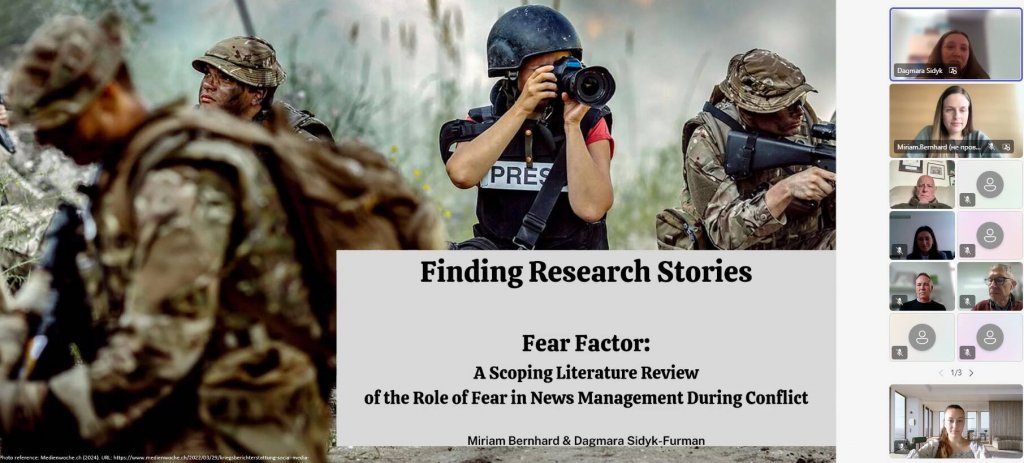
The seminars were held every two weeks. Master's students, together with Associate Professor of the Department of Journalism Natalia Tolochko, joined them as part of the educational process and after the end of the semester. The first meeting, held on September 27, featured presentations by Dagmara Sidyk-Furman from the University of Warsaw and Miriam Bernhard from the Ilmenau Technical University. The researchers spoke on the topic “The Fear Factor: A General Literature Review of the Role of Fear in News Management in Conflict” and shared practical tools for critical news analysis.
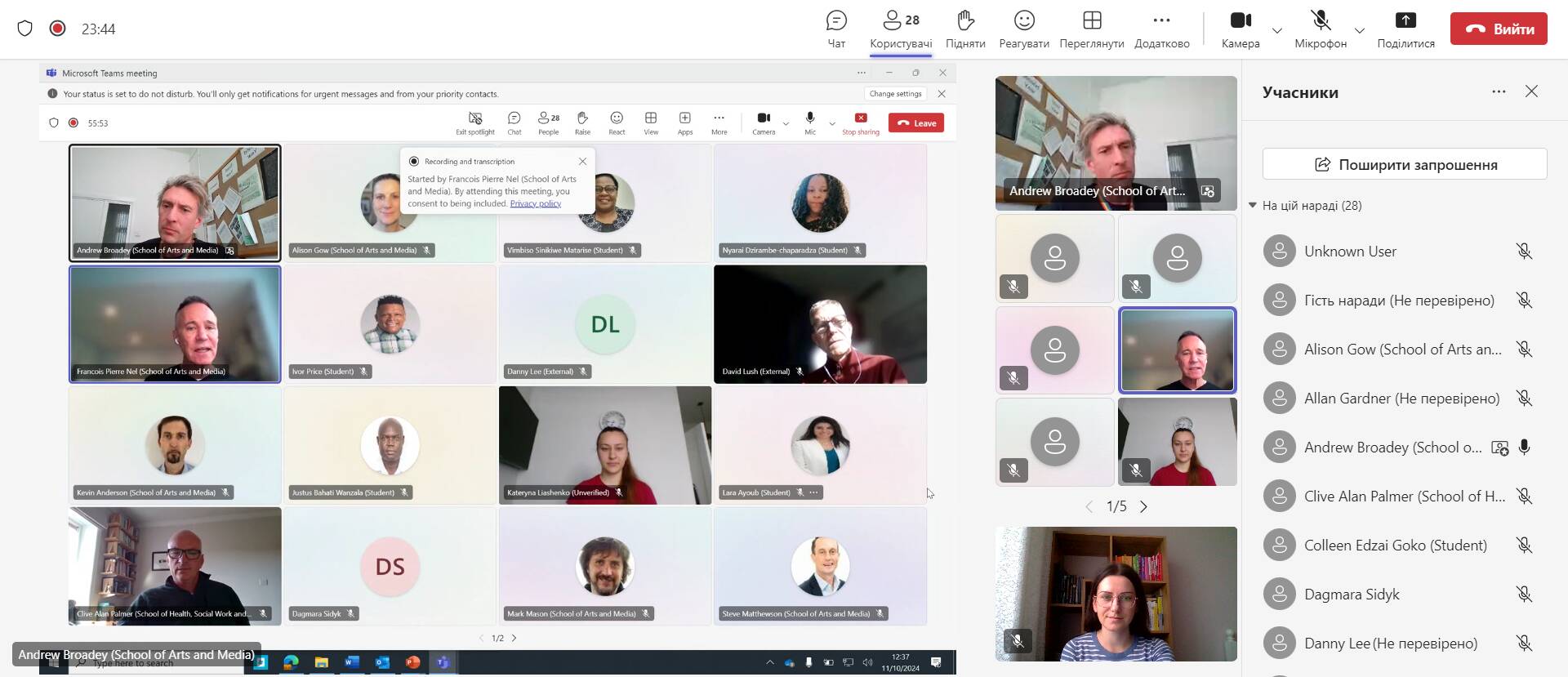
At the meeting on October 11, Drs. Andrew Brody and Clive Palmer from UCLan presented their research. They talked about the methods of ethnography and autoethnography that they use to inform about practical experience and develop the rationale for their inquiries. Creative writing, in their opinion, can be a powerful tool for expressing and analyzing research findings and should be used.
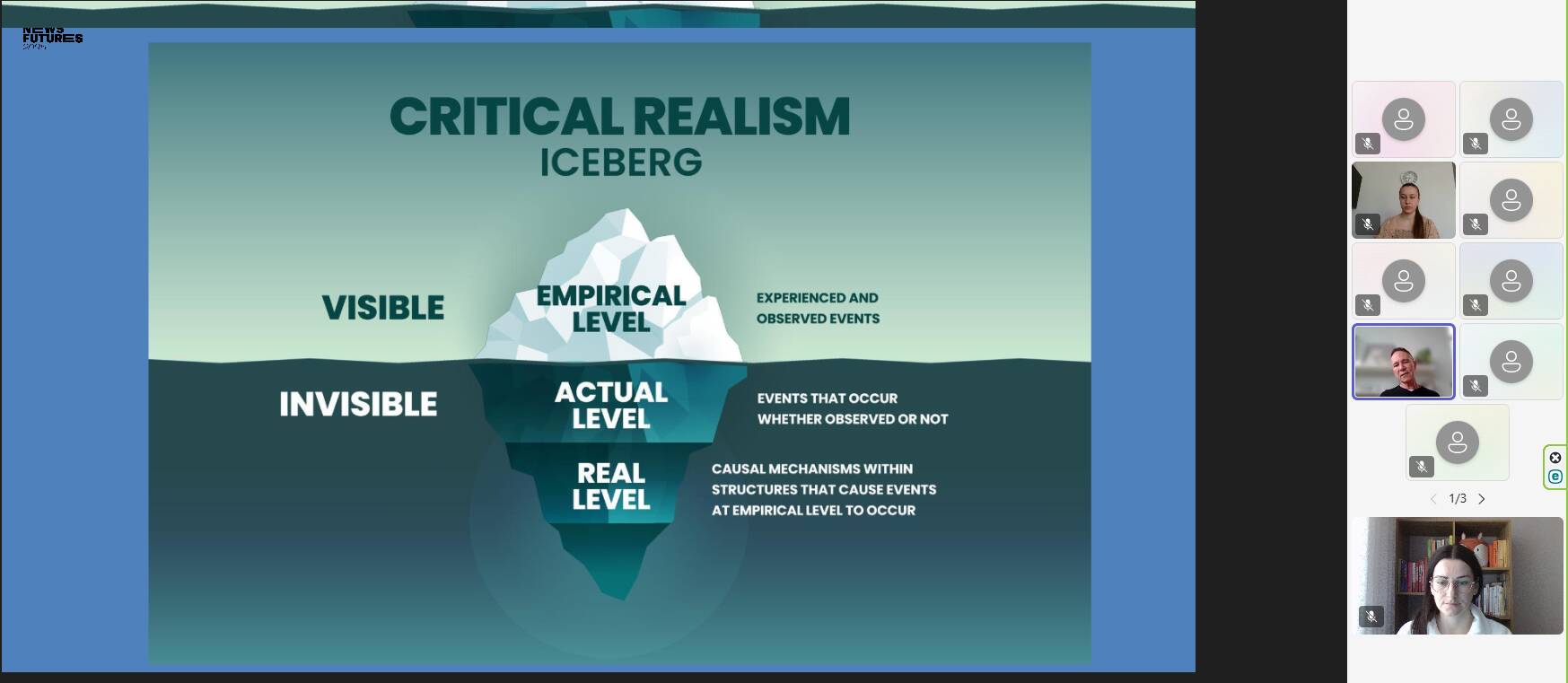
The third meeting (October 25) focused on innovative approaches to research and was titled “Collaborative Research: Creative Approaches and Results.” The first speaker was Professor Candice Satchwell from the University of Central Lancashire. The scientist spoke about the possibilities of cooperation between non-academic communities, working in partnership with children, youth and other beneficiaries, and showed examples of such interaction that promotes the formation of inclusive non-hierarchical relationships.
Dr. François Nel also made a presentation at this seminar. He spoke in detail about the media research he is conducting as part of the News Futures 2035 project. He emphasized the challenges posed by the influence of disinformation and referred to Ukraine's experience in countering Russian propaganda. He noted that in the face of various technological challenges, instability in the world, and especially in times of war, we can only rely on facts. He also spoke about methods of involving participants in the research process.
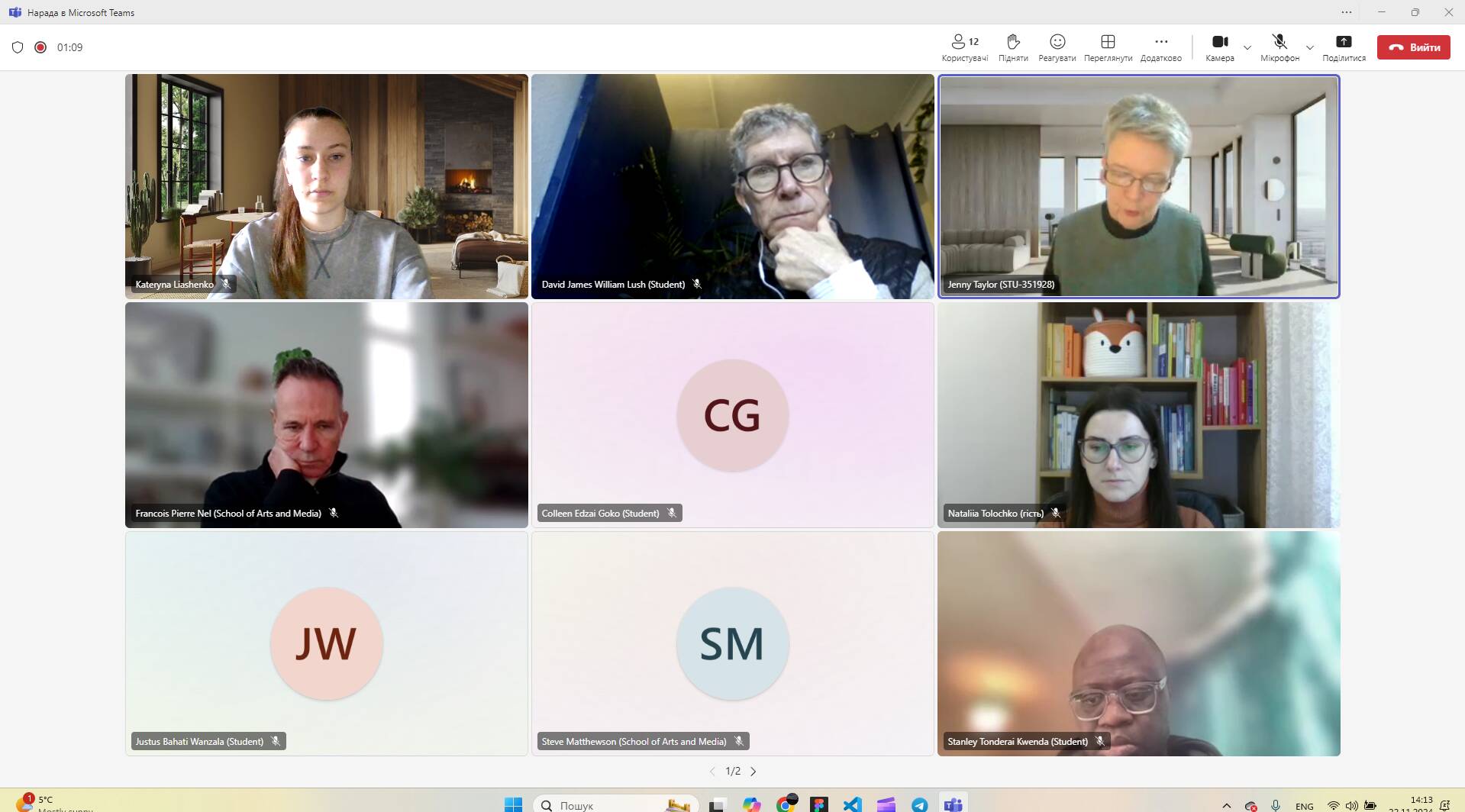
On November 22, master's students and associate professors Halyna Shapovalova and Natalia Tolochko joined the fourth meeting - “How to analyze data using inductive and deductive approaches.” Dr. Jenny Taylor, author of Saving Journalism: The Rise, Fall, and Survival of News, based on her experience in journalism and research, spoke about discourse analysis of government documents and secularization studies. Jenny sought to understand the adaptation of “secular” systems to new demographics, and to deepen understanding of how this approach can inform journalists and other storytellers.
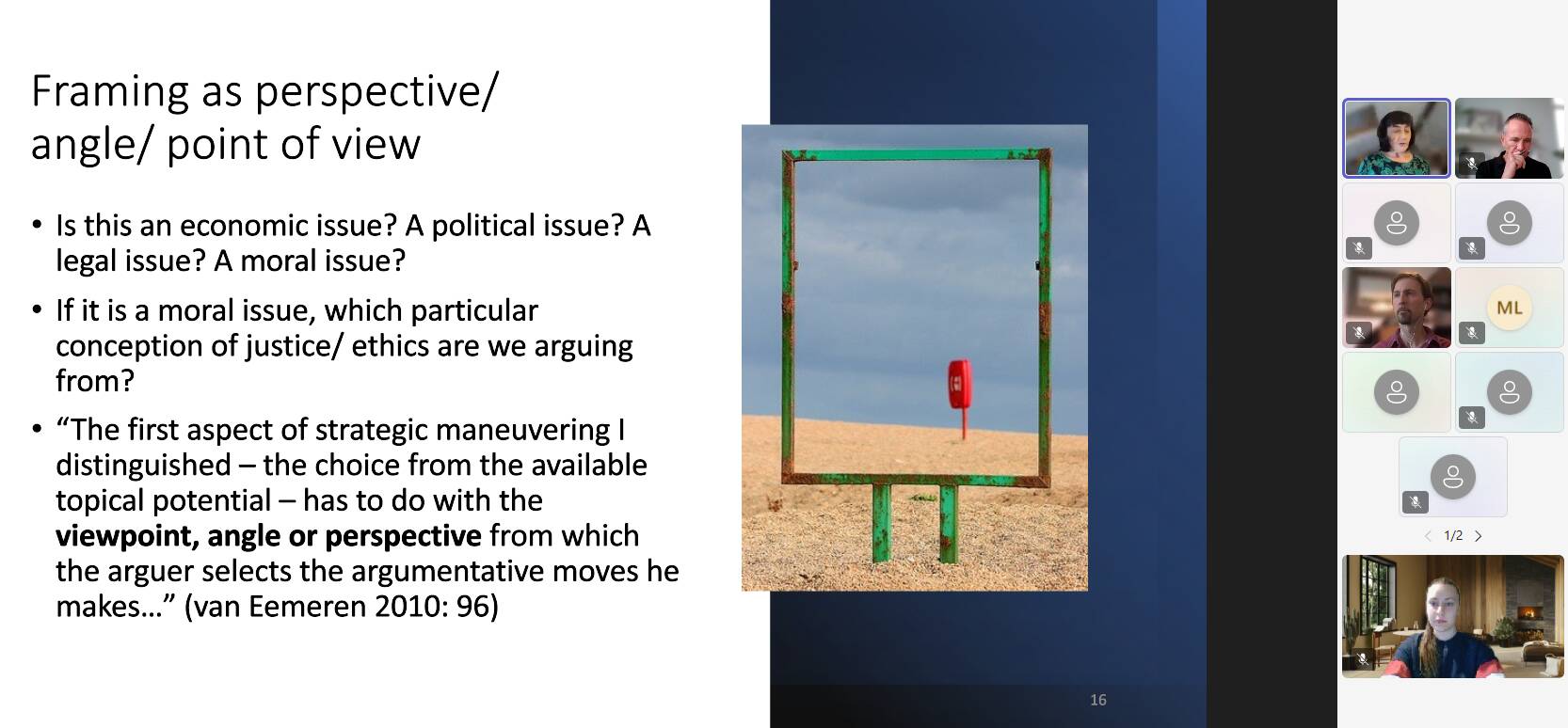
The fifth meeting, held on December 6, was devoted to the topic “Framing Southport: Rhetoric, Moral Assumptions and the Migration Debate”. Dr. Isabela Ferklo, a well-known linguist, drew attention to the fact that framing is not just a choice of words, but a purposeful process that allows you to present information in a certain light, emphasizing some aspects and omitting others. She explained to the audience how different argumentation schemes and moral frameworks can be used to shape the desired image of an event and influence the emotions and judgment of the audience. The media and politicians used different language strategies to describe the summer riots in the UK, leading to very different interpretations. Some focused on violence and disorganization, while others emphasized the social causes of the protests. This example clearly illustrates how framing can influence our understanding of complex social phenomena and shape our position on them. By analyzing real-life events, such as the summer riots in the UK and the migration crisis, the author taught students to recognize manipulations in the media space. This knowledge will help students create better materials, communicate more effectively with their audience, and form an objective picture of the world.
Participation in the series of seminars “Finding Research Stories” has become a valuable opportunity for master's students to expand their knowledge of modern research methods and understand their application in journalism. Media professionals are already working on their own research, so international seminars have become a useful experience on their research path. Communicating with colleagues from different countries allowed us to better understand different cultural contexts and modern practices.