
3-4 грудня 2025 року наукові співробітники Науково-навчального інституту мультидисциплінарних досліджень SMART City Ужгородського національного університету організували і провели два заходи з метою створення унікального міждисциплінарного простору для обговорення сучасних наукових і технологічних викликів, wellbeing-практик та застосування штучного інтелекту в освіті.
Зокрема, відбулася відкрита лекція професора Джузеппе Томассо Чірелли, який є директором Науково-дослідного центру Polo Research Center of Sustainability (Італія) та професором Гданського університету University of Gdansk (Польща). Модераторкою події виступила кандидатка філологічних наук, доцентка, директорка гуманітарного напряму Інституту Антоніна Девіцька, а з вітальним словом до учасників звернулася кандидатка фізико-математичних наук, доцентка, директорка Інституту Діана Кайнц, підкресливши важливість впровадження інноваційних технологій у навчальні програми та роль SMART City як платформи для розвитку міждисциплінарних ідей. Захід проходив англійською мовою та зібрав студентів і викладачів різних спеціальностей - прикладної лінгвістики, економіки, будівництва та цивільної інженерії.
Професор Чірелла поділився сучасним баченням ролі штучного інтелекту в освіті. Він розповів, як технології можуть персоналізувати навчання, оптимізувати навчальні матеріали та змінювати роль викладача в університетському середовищі. Особливу увагу він приділив створенню ефективних промптів, а також обговорив етичні та практичні аспекти використання ШІ в освіті, наголошуючи на академічній доброчесності та відповідальному підході до цифрових інструментів.
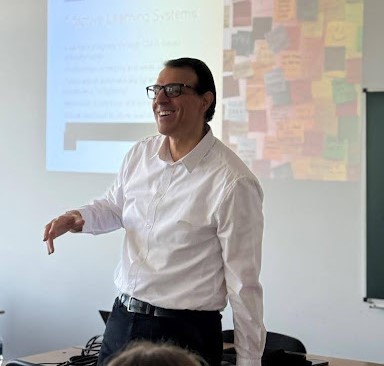
Лекція викликала активну зацікавленість учасників: студенти та викладачі ставили питання, обговорювали приклади інтеграції ШІ у свої дисципліни та ділилися власним досвідом. До зустрічі долучилися і викладачі: доцентка Оксана Микайло, доцентка Мар’яна Томенчук, професорка Вікторія Готра, доцент Андрій Субота та викладачка Діана Вантюх, які активно підтримували дискусію та допомагали студентам краще зрозуміти практичне застосування отриманих знань.
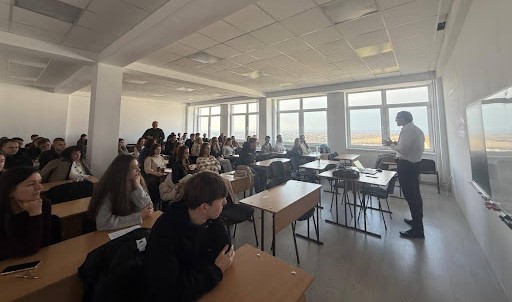
Зустріч із професором Джузеппе Томассо Чірелла стала не тільки надихаючим досвідом для студентів і викладачів, відкривши нові горизонти застосування технологій у навчанні та викладанні, але й чудовою нагодою практики іноземної мови в професійному та академічному середовищі.
Другим заходом стала панельна дискусія “Mind, Matter, and the Modern World: A Dialogue on Science & Wellbeing”, яка об’єднала студентів освітньо-професійних програм «Міське будівництво та господарство», «Системний аналіз», «Системи штучного інтелекту», «Логістика», «Управління персоналом та економіка праці».
Подія стала майданчиком для міждисциплінарного діалогу про те, як сучасна наука, технології та практики wellbeing формують спосіб нашого навчання, роботи й життя в умовах стрімких змін.
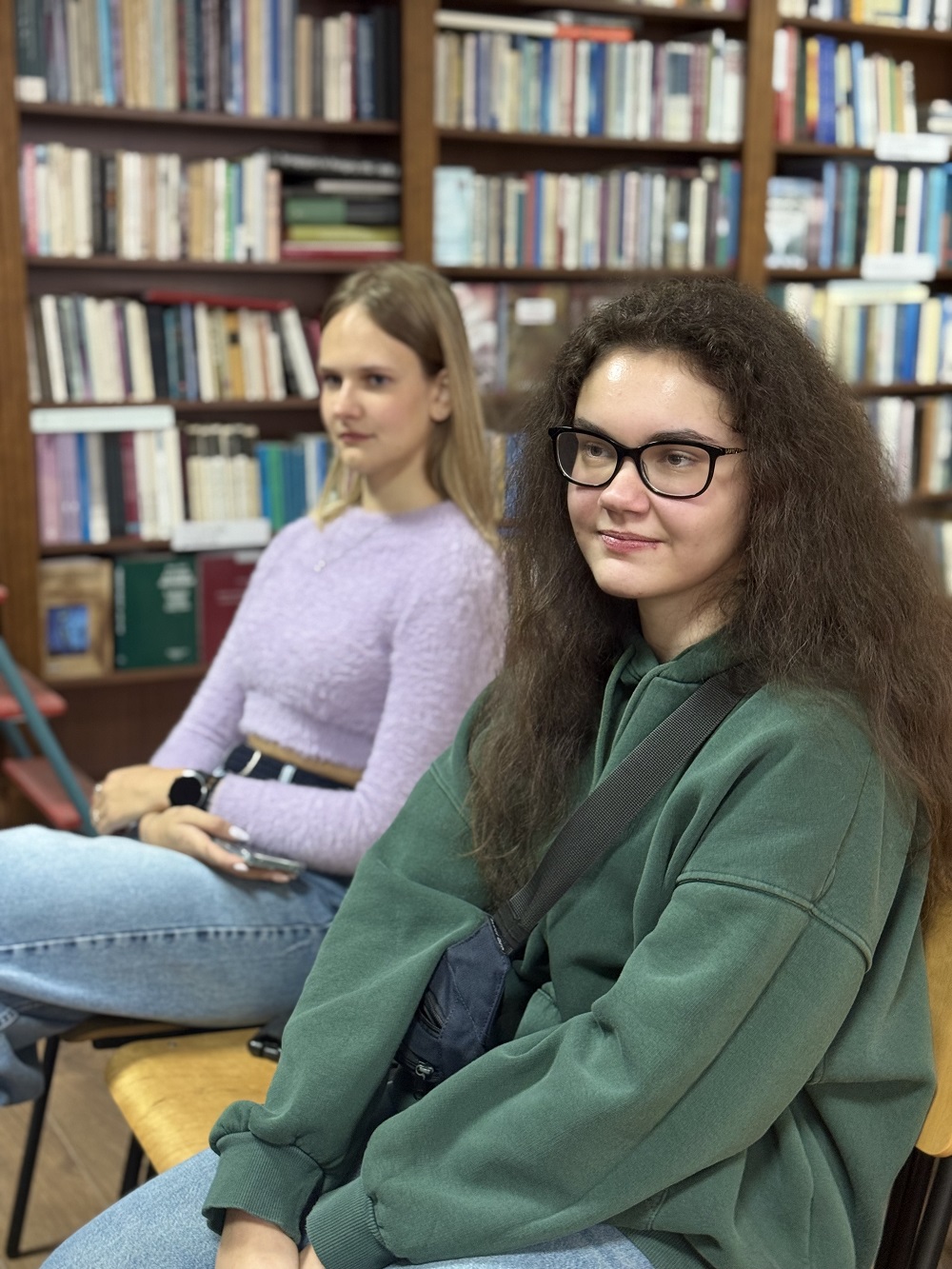
Діана Кайнц наголосила, що wellbeing є ключовою темою у створенні гармонійних, екологічно свідомих міських середовищ. У сучасному урбаністичному просторі інноваційна архітектура має поєднуватися зі smart-технологіями, енергоефективністю, відновленням природного балансу та увагою до психологічного й фізичного здоров’я людини. Саме тому майбутні економісти, інженери, математики та фахівці з цифрових технологій повинні розуміти, як wellbeing впливає на проєктування міст, освітніх просторів та інноваційних рішень.
Професор Джузеппе Чірелла (University of Gdańsk, Polo Center of Sustainability) поділився інсайтами про те, як поєднувати роботу, навчання та наукову діяльність без вигорання. Він розповів про свої стратегії балансування навантаження, пошуку натхнення та збереження інтересу до дослідницької роботи.
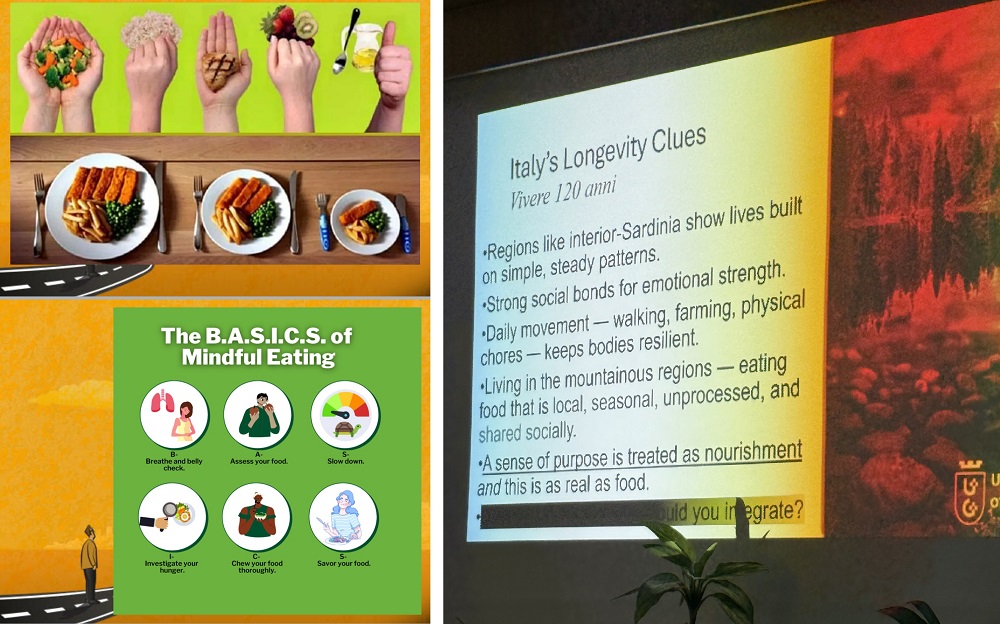
Антоніна Девіцька розповіла про практики майндфулнес та соціо-емоційного навчання, які підтримують стійкість, знижують стрес і допомагають студентам покращити концентрацію та самоусвідомлення. Учасники почули про техніки, які можуть бути інтегровані у щоденний навчальний процес.
Евеліна Вашкеба-Бітлер, кандидатка медичних наук, доцентка кафедри фармацевтичних дисциплін, хелскоуч, представила основні принципи формування збалансованої «тарілки здорового харчування» та пояснила, як стрес впливає на пам’ять, увагу й загальну працездатність.
Даніель Фрідман, візіонер та художній керівник Інституту поділився своїм баченням того, як світло може ефективно підтримувати увагу та фокус під час навчального стресу. Він наголосив на важливості правильно організованих світлових середовищ для роботи мозку.
Чому ці теми є важливими? У світі стрімких технологічних змін wellbeing стає центральним елементом розвитку. Сучасний спеціаліст має не лише глибокі професійні знання, а й здатність зберігати внутрішній баланс, адаптивність та психологічну стійкість.
Обидві події продемонстрували, що наука, технології й wellbeing є взаємопов’язаними напрямками, які формують адаптивну та інноваційну модель майбутнього. Вони стали важливими майданчиками для розвитку критичного мислення, практики іноземної мови, обміну знаннями і до створення інноваційного SMART City.
Науково-навчальний інститут мультидисциплінарних досліджень SMART City продовжує створювати простір для обміну знаннями, розвитку критичного мислення та впровадження інновацій, які формують університет майбутнього.
Співробітники Інституту дякують всім спікерам та студентам за цікаві питання, активність і бажання будувати інноваційний SMART City разом.
За інформацією ННІ мультидисциплінарних
досліджень SMART City


