A new stage in British-Ukrainian partnership: universities in Uzhhorod and Lancashire extend cooperation for another three years

Cooperation between Uzhhorod National University and the University of Lancashire within the framework of the UK-Ukraine Twinning Initiative has been ongoing for about three years and will continue for another three. This was announced during a visit by a delegation from UzhNU to its partner university in Preston, the administrative centre of Lancashire.
The delegation included Myroslava Lendiel, Vice-Rector for Scientific and Pedagogical Work at UzhNU; Nadiya Kichera, Associate Professor at the Department of Political Science and Public Administration; Nataliya Tolochko, Associate Professor at the Department of Journalism; and Anastasiya Lendiel, a student and employee of the UzhNU Media Centre. Previous cooperation between teachers and their students with the British university, project skills and the interest of partners determined the composition of the delegation.
UCLan is looking for effective formats to support UzhNU
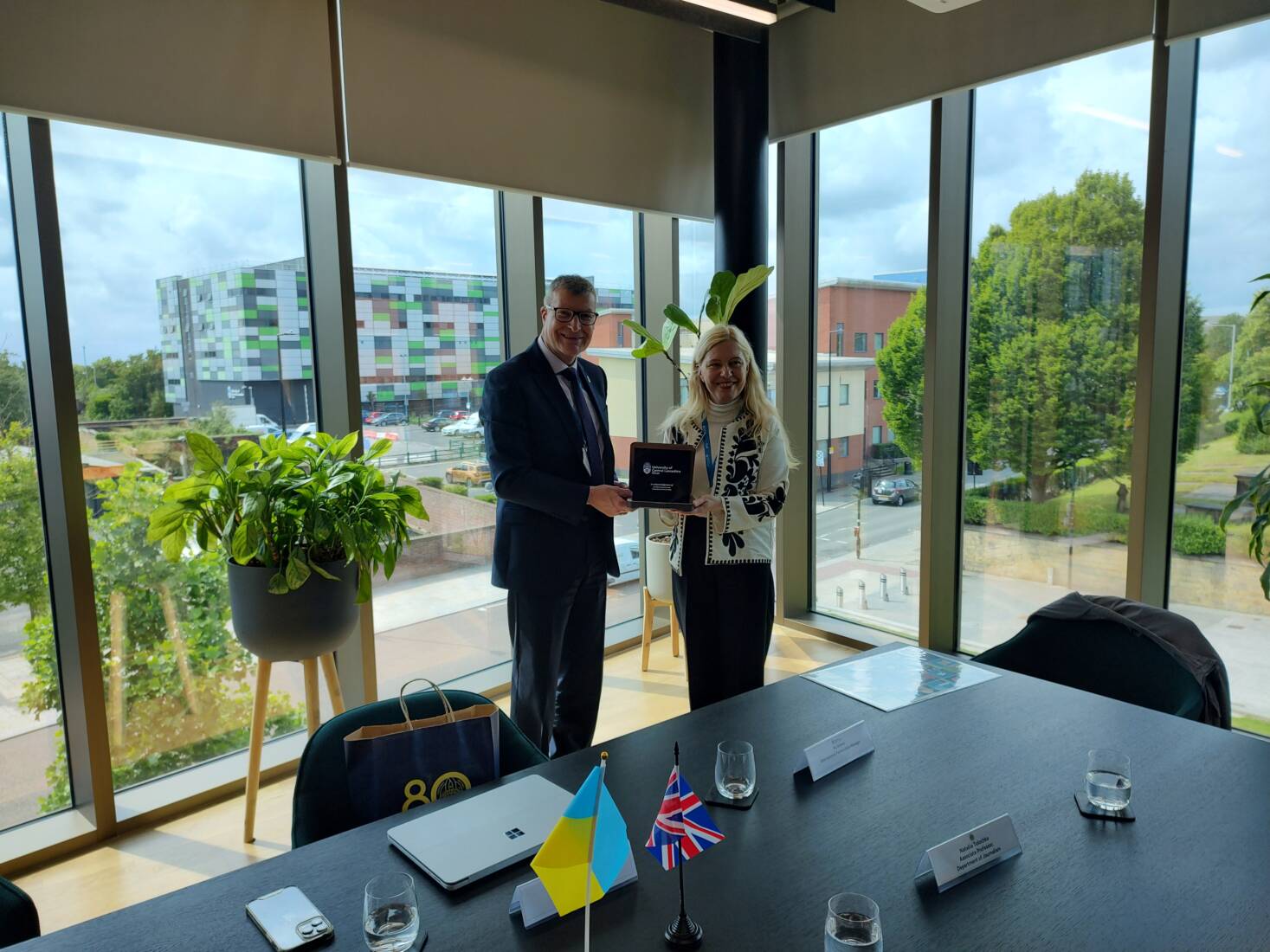
On the first working day, the UzhNU delegation met with the Vice-Chancellor and Chief Executive Officer of the University of Lancashire, Graeme Baldwin.
He warmly welcomed the delegates from Ukraine, noted that the partnership between the universities is effective – a number of initiatives for teachers and students have been launched – and asked about the most important ones for UzhNU that should be continued. At the meeting, the Vice-Chancellor announced the good news: after an audit of the programme in January, it was decided to continue the partnership for another three years. Vice-Rector Myroslava Lendiel thanked her colleague for the cooperation and its continuation, expressed hope for the success of future initiatives and, on behalf of the rector, invited him to Uzhhorod to celebrate the anniversary of UzhNU in October.
Today, about 70 Ukrainian and 70 British universities are involved in The UK-Ukraine Twinning Initiative. It is an institutional and non-institutional collaboration to support Ukrainian universities during the war and in the post-war period.
The programme was launched in 2022 on the initiative of the then Prime Minister of the United Kingdom, Boris Johnson, and the President of Ukraine, Volodymyr Zelensky. A Memorandum of Understanding was signed between the universities, on the basis of which cooperation continues.
Over the past three years, various activities have been organised for UzhNU teachers and students: English language courses, a summer school for students in Cyprus, online discussions, remote meetings, and visits by teachers and management to partner universities. British colleagues donated computer equipment to UzhNU and equipped the project office. In addition, three powerful power units were purchased for the main building, each consisting of an inverter and a battery. The most effective formats for cooperation in the coming years were identified as a school line, online events for students and teachers, provision of equipment, and support for project activities.
The partnership under the programme is based on common characteristics. Preston is similar to Uzhhorod in size and population, and the University of Lancashire is a major scientific and educational centre. The university buildings are located throughout the city, blending harmoniously into the infrastructure, which gives Preston the feel of a student town. Young people, who number over 27,000 students and staff in Preston and 42,000 in the university as a whole, are truly a driving force at the local and national levels. In addition to Preston, UCLan has campuses in Burnley and Westlake (Great Britain) and a branch in Larnaca (Cyprus). It is gratifying that 85 Ukrainian students are currently studying at the University of Lancashire: 10 in Preston and another 75 at the branch in Cyprus. Students and teachers have various facilities for study and leisure at their disposal: centres, laboratories, studios, a separate library room and co-working spaces. During this year's visit, work continued at the School of Arts and Media, in the Media Factory, an ultra-modern building equipped with technology supported by the European Commission.
British-Ukrainian team launches project aimed at developing democracy
The main focus of this year's visit was on project activities between partners. Dr. François Nel, a media innovation and entrepreneurship expert and one of the founders of Media Innovation Studio, proposed a joint project on a topical issue on the eve of the visit. His idea was readily supported by the Department of International Partnerships, which found a suitable call for proposals from the AHRC (a British government programme). The fund has open calls for proposals and offers maximum funding of £100,000.
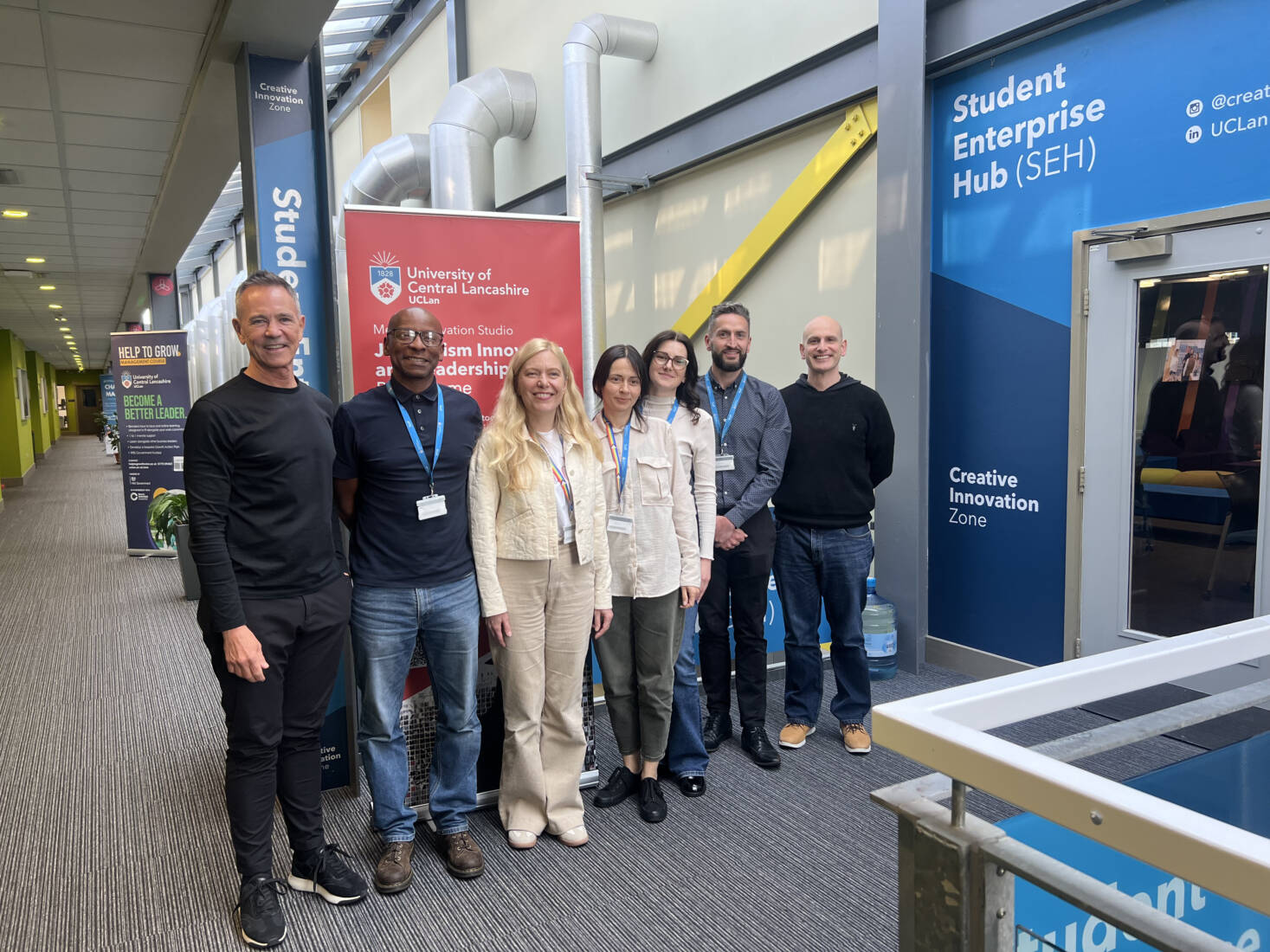
The University of Lancashire's Head of International Journalism, Senior Lecturer Ato Erzan-Essien, and Lecturer in International Relations Alexandros Koutsoukis are also involved in the project. The latter, in particular, proposed the idea of creating a special laboratory within the project, where political science students and journalists will conduct research, carry out creative work and contribute to strengthening democracy in Ukraine.
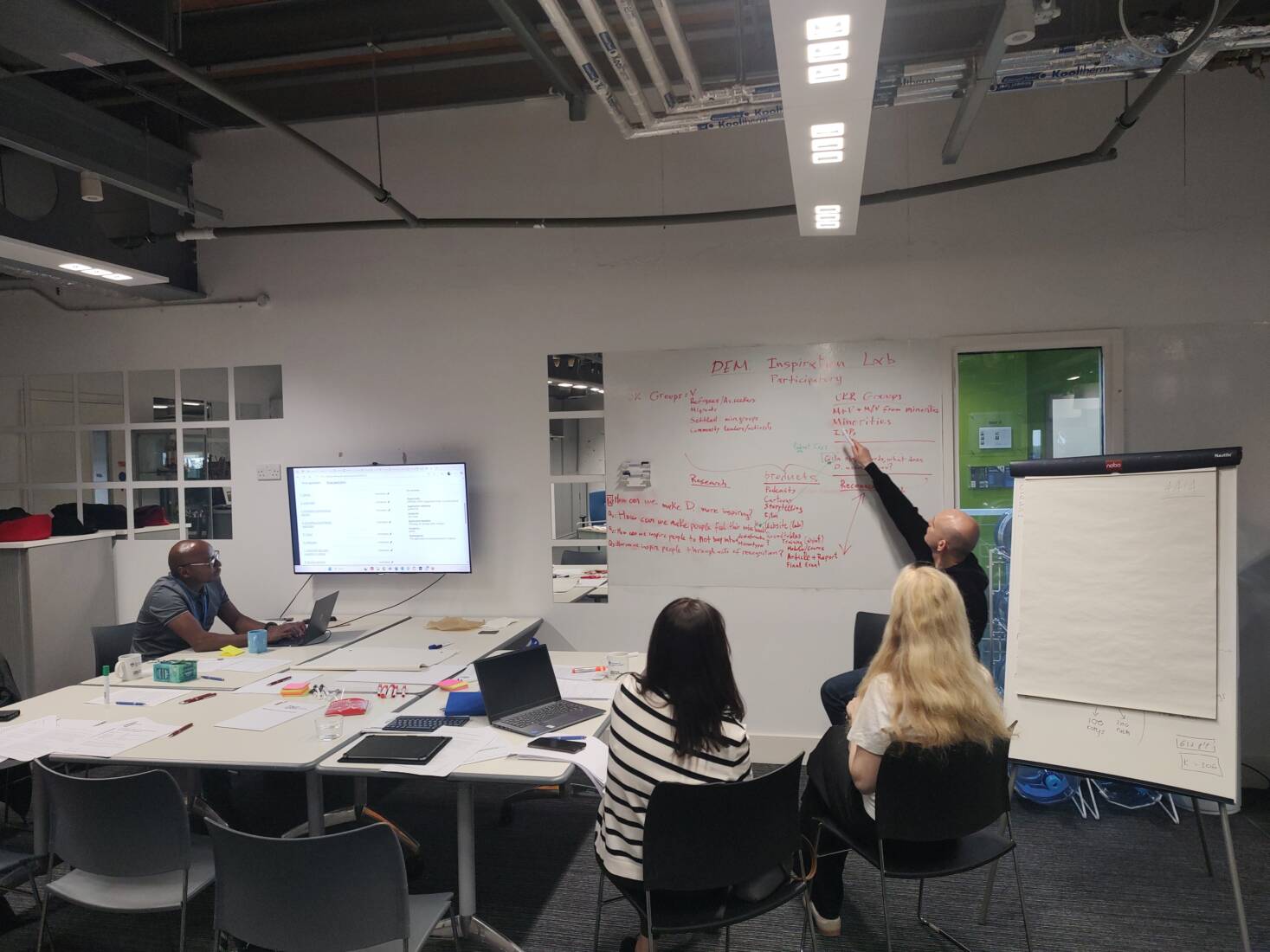
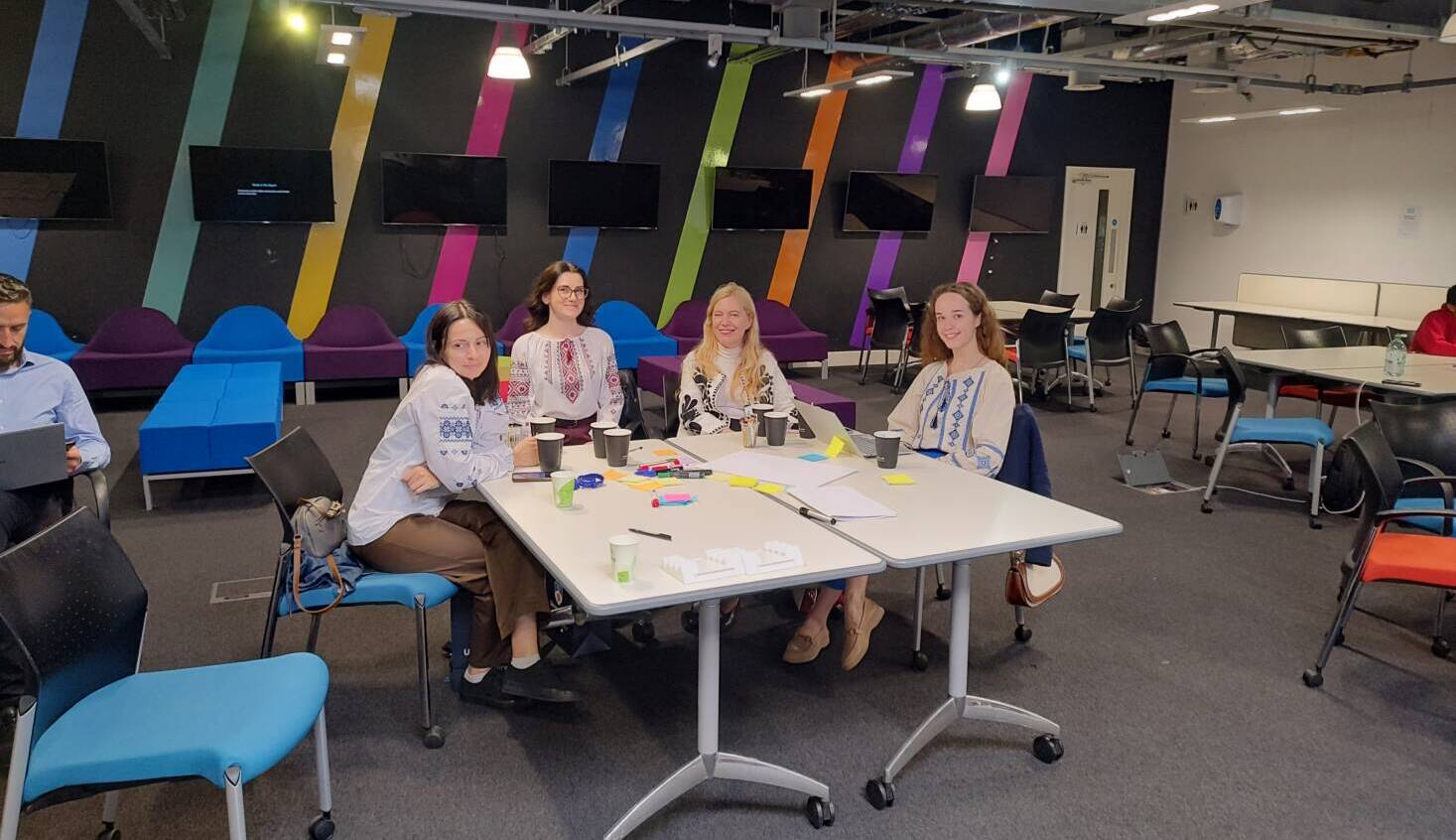
The team of Ukrainian and British lecturers then spent two days working on a vision for the project, which will be interdisciplinary, bringing together political scientists and journalists from both universities. During the discussion, it was agreed that the main idea would be to strengthen democracy through work with various social groups: the military and veterans, community representatives, and national communities. The project developers are also considering the development of a special course and recommendations for communicating with the military, veterans, and other activities. In the weeks following the visit, they will continue to finalise the application.
Meetings with UCLan media representatives and a cultural programme in Edinburgh, where Ukrainian flags fly
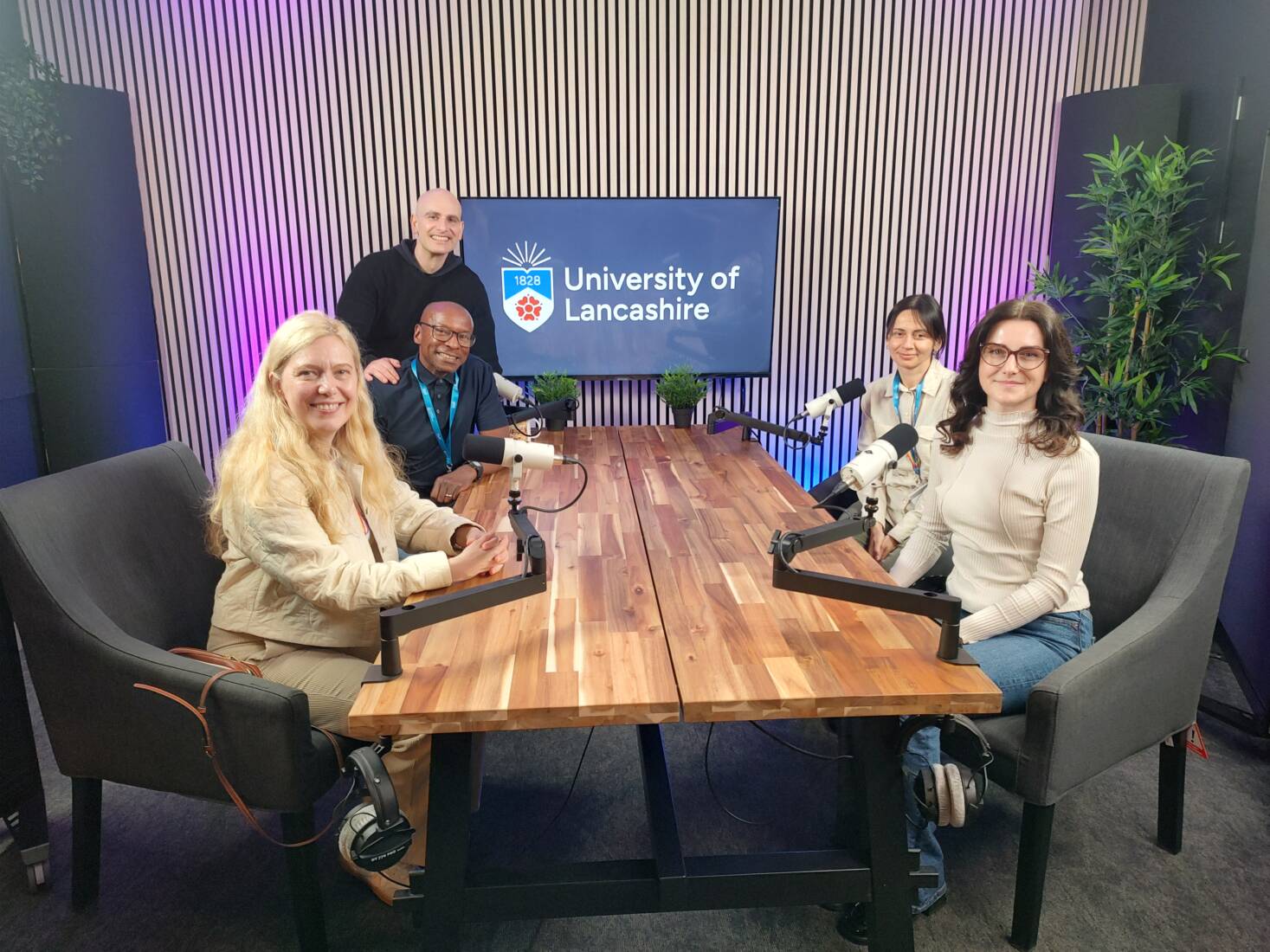
In addition to working on the project, the participants were given tours of the teaching laboratories at the University of Lancashire. In particular, the delegates visited the television and podcast studios of the School of Arts and Media and had the opportunity to talk to media lecturers about the features of the study programmes. According to Gerry Byrne, senior lecturer in television journalism and freelance correspondent for the BBC, the sports journalism programme is currently one of the most popular among media students, alongside classical journalism and international journalism. Sports journalism is often chosen by those who have already made a name for themselves in sports and want to work in the industry in other roles.
On the first day of their visit, the Uzhhorod students attended the spring forum ‘JILeaders 2025: Ensuring the Work of News – Community, Cooperation and Change.’ At the forum, media professionals from Europe, the Middle East and Africa shared their experiences and discussed how journalism can respond to complex situations and build relationships with the community. The forum is part of an intensive training block of the distance learning postgraduate programme ‘Innovation and Leadership in Journalism’, led by Dr. François Nel. The sessions were led by news service managers who are driving change in their own organisations, together with guest experts from across the industry.
On the last day, the participants were offered a cultural programme – a trip to Edinburgh. Contemplating the majestic, century-old buildings along the Royal Mile, it was especially pleasant to see the Ukrainian flag, particularly near the modern Scottish Parliament building.
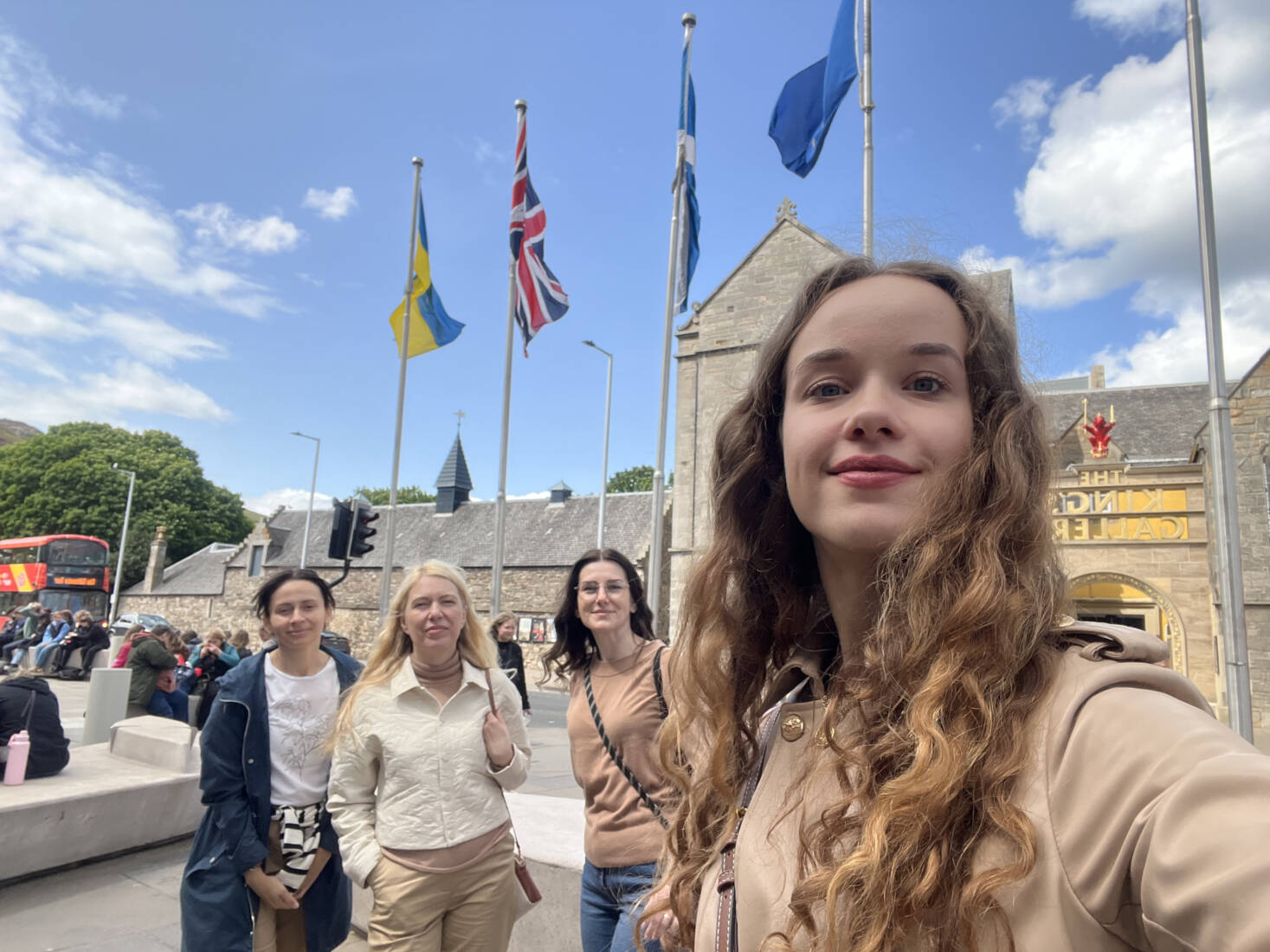
Inside the iconic buildings, there were also corners with Ukrainian symbols.
The visit was organised and supported by Paul Row, Head of International Partnerships, Richard Brame, International Partnerships Project Manager, and Catherine Black, International Partnerships Coordinator at the University of Lancashire.
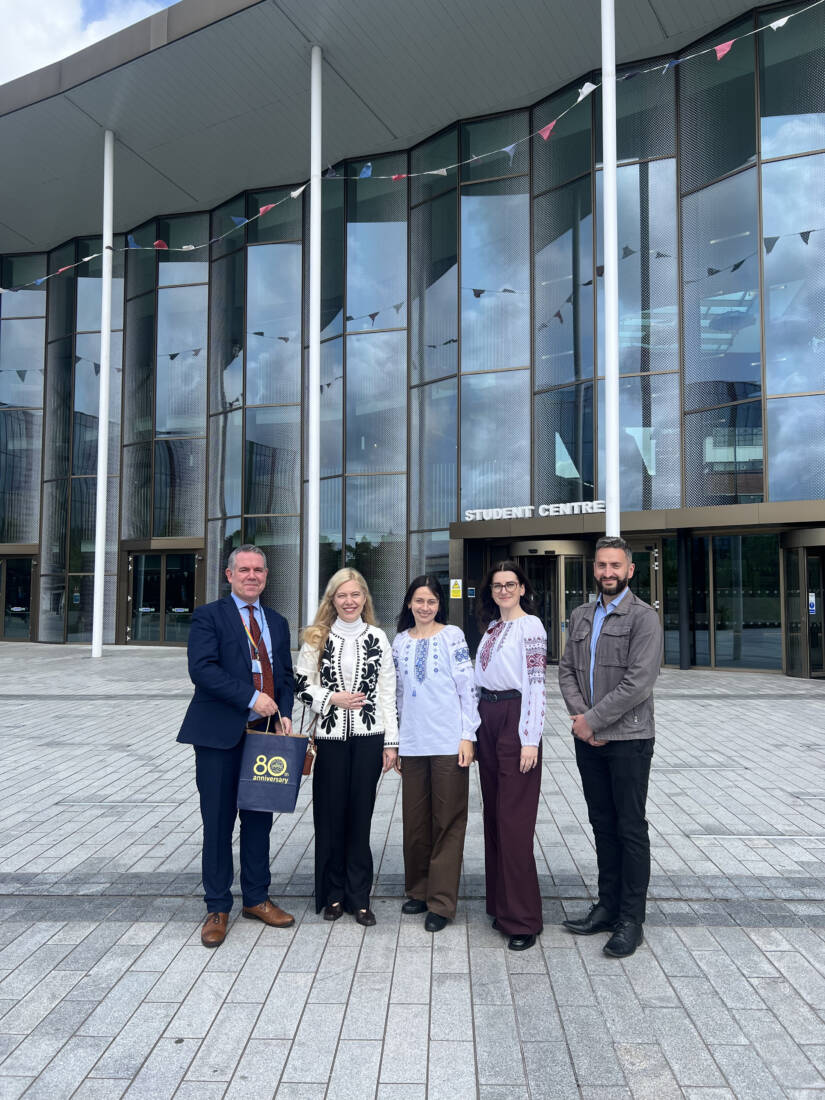
The participants are grateful to them for the carefully planned and effective visit and all their efforts within the programme.
Vice-Rector Myroslava Lendiel, summarising the visit to Preston, emphasised the importance of continuing cooperation with British colleagues:
– The partnership with the University of Lancashire is very effective. We work according to an annual plan, which makes our work more predictable. At the same time, our British colleagues respond quickly and with understanding to unexpected challenges. Last autumn, for example, at our request, part of the funds was allocated to the purchase of energy equipment for the teaching and laboratory building on Universytetska Street. Over the next three years, we plan to add new initiatives to those already in place. In particular, these include joint work by teachers on projects, the organisation of internships for winners of student educational programmes, and cooperation on attracting foreign students.
Associate Professor Nadiya Kichera highlights the relevance and social benefit of the project:
"The idea behind the project is extremely relevant for both sides, especially for Ukrainian society, which is in a state of active war with an aggressor. Accordingly, social initiatives are in greater demand than ever, especially for vulnerable groups in society. Cooperation with British colleagues is extremely useful not only in terms of project cooperation in this case, but also in terms of the opportunity to learn from their experience. Of particular interest are marketing research practices in the context of opening new specialisations and organising the educational process, as well as the active cooperation of the British partner with the public, private and business sectors, which we sorely lack.
In my opinion, during the few days spent in Preston, many useful ideas were developed, which I believe will be continued. I would like to thank my colleagues for their interest in working together, their efforts and support for positive change in Ukrainian society. At the Department of Journalism, we value the opportunity to work with our British colleagues, in particular Dr François Nel, who invited our lecturers and students to research seminars last year and was one of the initiators of this year's project work. During the visit, it was useful for me to learn about the features of the study programmes at the School of Arts and Media, see the training studios and confirm that we have common goals with the British in training young journalists – we are strengthening the practical component. I am grateful to the international relations departments of both universities for the opportunities, development and unforgettable trip to Preston.
Overall, the idea of foreign partnerships for Ukrainian universities is extremely important in the context of war. Uzhhorod is truly fortunate to have a reliable British partner, and now a friend, in the University of Lancashire. Real success in times of instability is that the work will continue for years to come, which means new horizons of cooperation for teachers and students.
Nataliia Tolochko
photo by the author and Anastasiya Lendel
У подкаст-студії на Медіафабриці
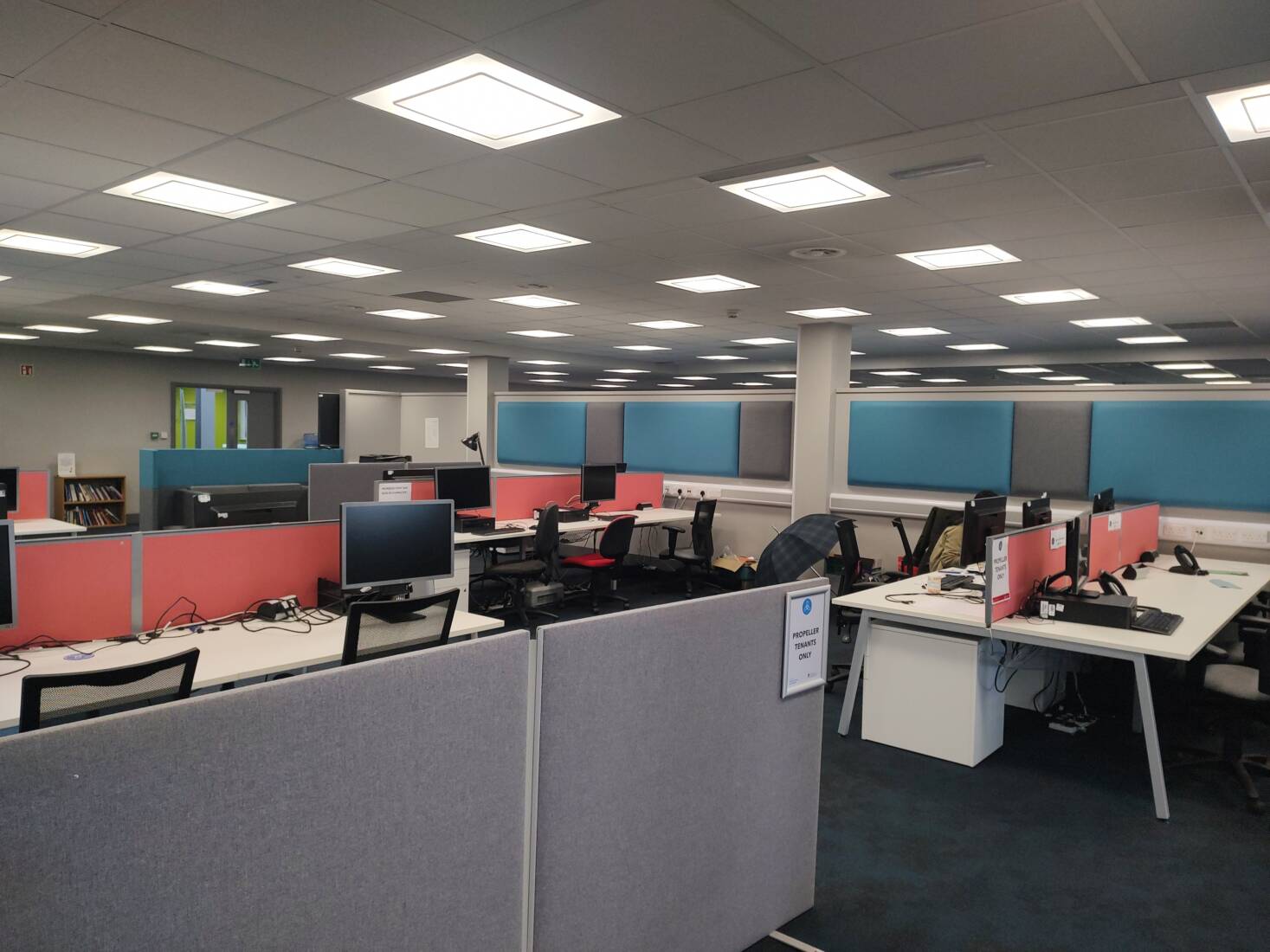
Приміщення для роботи медійників на Медіафабриці


