UzhNU Launches the “Youth Leadership School”
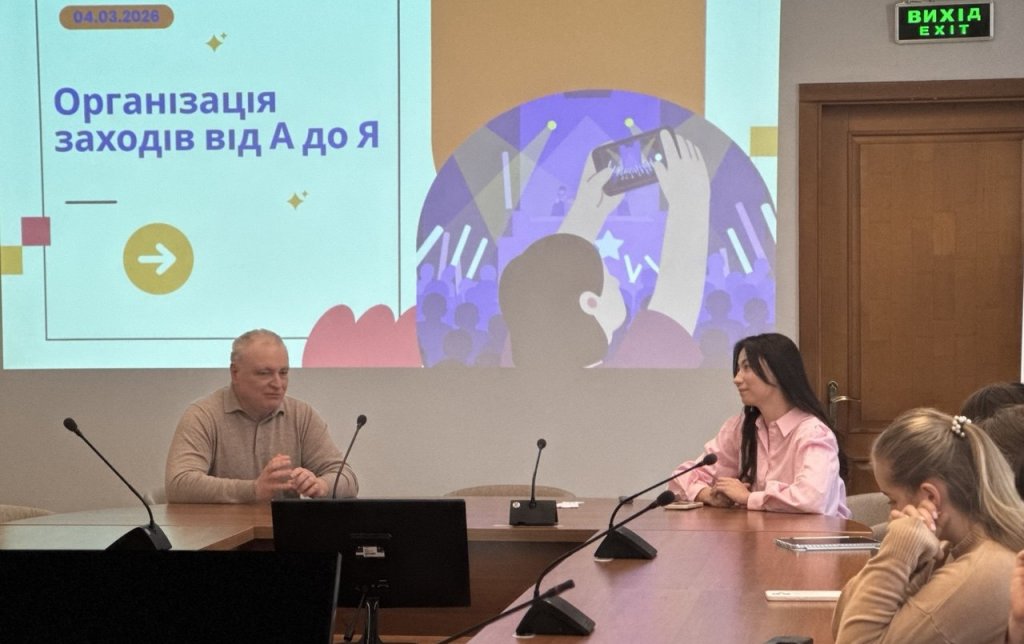
On March 4, a large-scale educational project—the “Youth Leadership School”—kicked off on campus. The topics covered in the series of training sessions and workshops are based on real needs expressed by students, which were collected and analyzed by the UzhNU Trade Union Committee. The course program is designed to complement academic knowledge with the practical skills necessary for the successful self-realization of young people. The project was organized by the Center for Humanitarian and Educational Work, the “YouthHub” youth center, the UzhNU Student Council, and the trade union committee.
The first meeting was dedicated to the topic “Organizing an Event from A to Z,” marking the symbolic start of a series of weekly intensive sessions. The event was opened by Natalia Varshava, a leading specialist at the Center for Humanitarian and Educational Work. Speaking with proactive young people about the value of student initiatives, she emphasized: “Student events shape the university community, where you feel a sense of belonging to the large UzhNU family. This is practical experience that will come in handy in the future: from organizing your workday to developing leadership qualities and soft skills when communicating with colleagues or contractors. It is at such events that you find true friends for life,” the speaker noted.

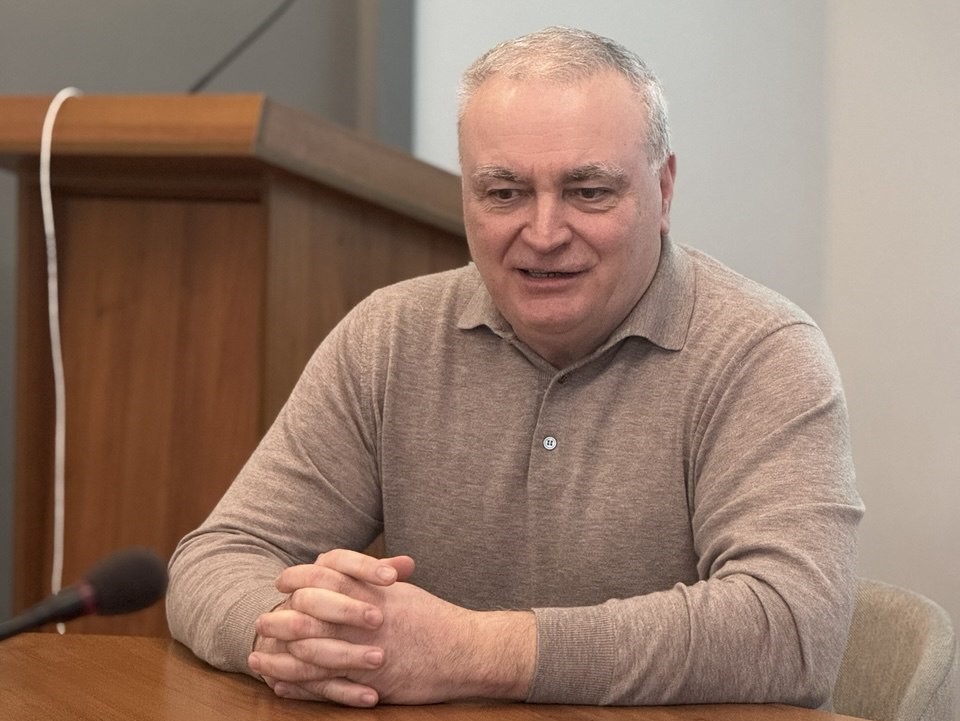
Next, UzhNU Rector Volodymyr Smolanka took the floor, urging young people to set aside formalities and make the most of the benefits of informal education: “Regardless of your major, it’s important that you’re prepared for life. Some view soft skills with skepticism, but the ability to work in a team and understand its processes is your immediate advantage when seeking employment. When I was a student, we didn’t have this. So don’t be afraid to ask uncomfortable questions, enjoy the interaction, and use this knowledge in the future.” The school’s curriculum will cover a wide range of topics: from financial literacy to document management, allowing students to become versatile professionals even before receiving their diploma.
One of the highlights of the event was the theoretical foundation, presented in a lecture format, where the speaker engaged the audience in discussion and used real-life examples to explain how to avoid “blunders” when organizing events. In particular, participants examined the stages of idea development, the importance of a cohesive team, venue selection, technical support, promotion strategies, and the essential reflection process after the event concludes. To reinforce what they had learned, the students moved on to practical exercises. First, they were divided into teams, then they were given “crisis cases”—real-life blunders that occurred during the implementation of large-scale events. The task for the young leaders was to quickly find creative and effective solutions to resolve critical situations.
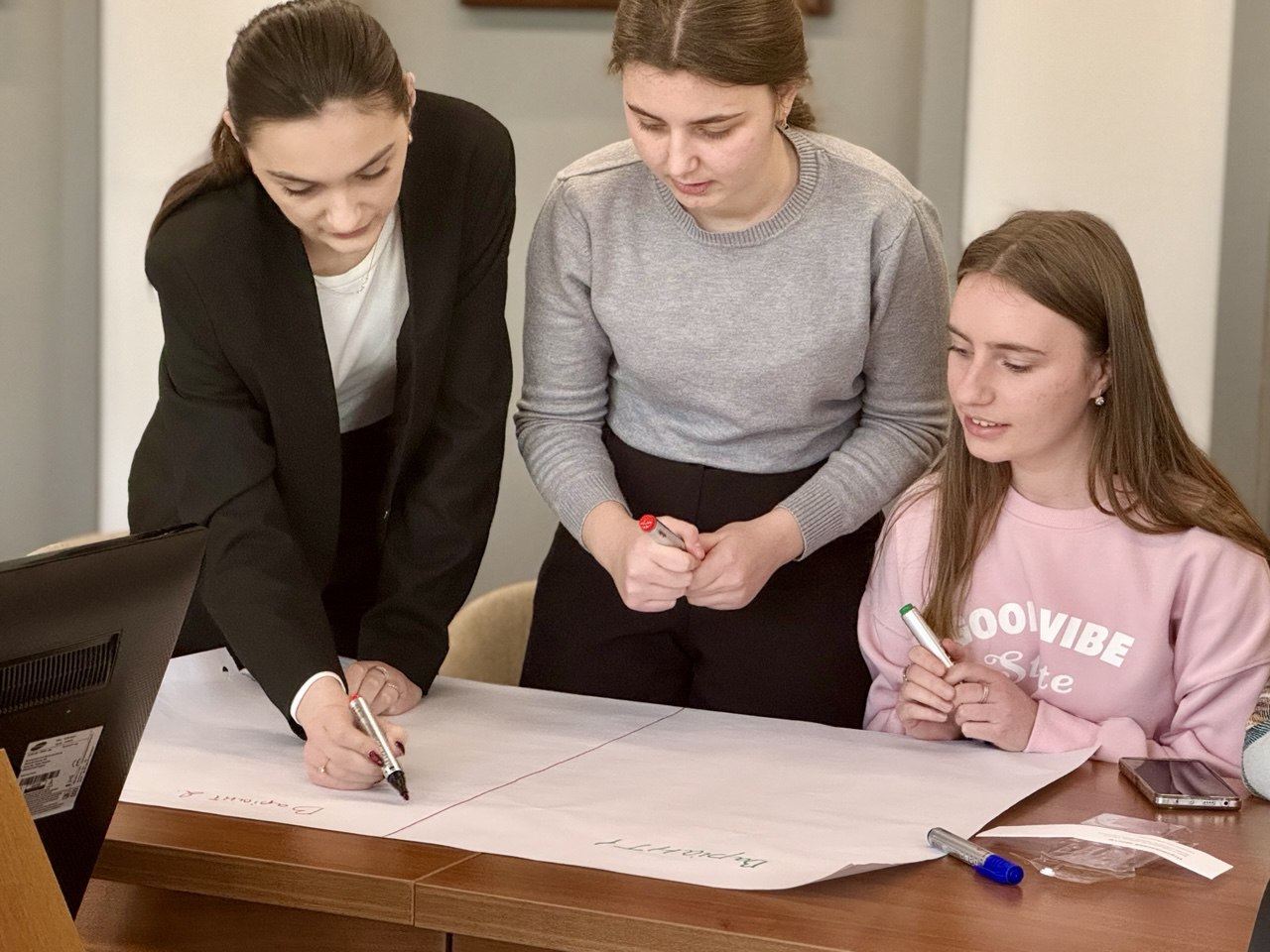
The goal of the event was to develop a variety of skills in students so that they could not only hone the “hard” skills they acquire in class but also develop soft skills that will be useful in life, at work, and in the future in general. The organizers have big plans, so events in the form of training sessions, lectures, and workshops will take place every Wednesday.
The project promises to be long-term and multifaceted. Thanks to this comprehensive approach and the active support of the student government, the “School of Youth Leadership” has every chance of becoming the main platform for informal education at the university, helping each participant find their own path to success.