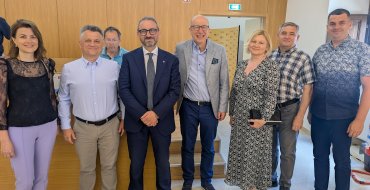
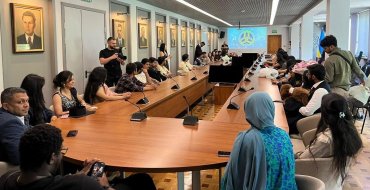
The International Virtual Project “Futures”: A Vision of the Future
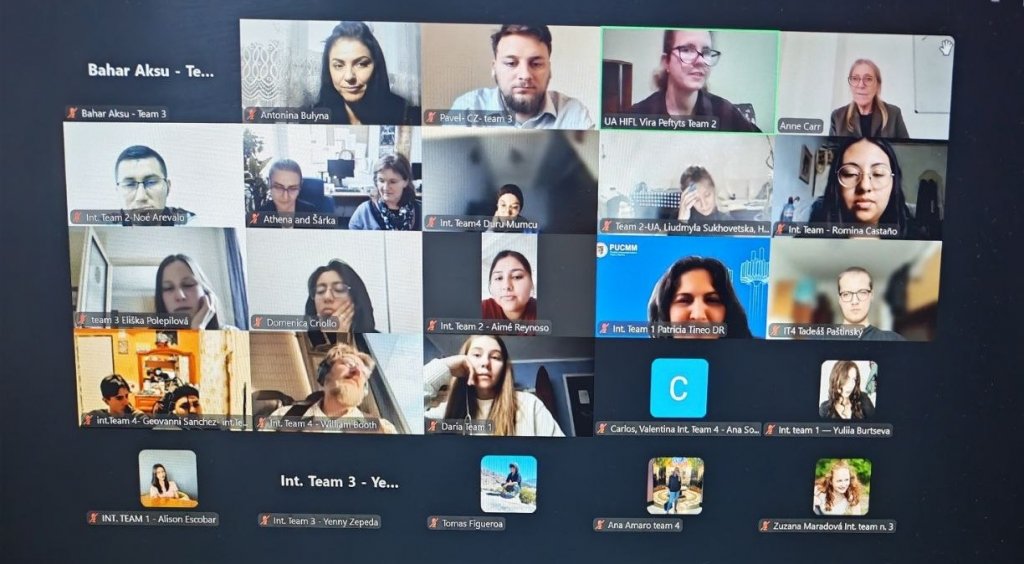
From March 11 to April 8, the international virtual project “Futures” was carried out in collaboration with universities from the ALINCO international alliance. The project brought together students and faculty from various countries around the world—including Ukraine, the United Kingdom, the Czech Republic, Turkey, Argentina, Ecuador, and the Dominican Republic—in a shared research space.
Nine students from UzhNU participated, representing various academic programs and faculties. Specifically, the participants included students in the following fields: philology (the “Applied Linguistics” program)—two students from the Faculty of International Economic Relations; journalism (the “International Journalism” program ”) – 2 students from the Faculty of Philology, 4 students from the Faculty of Engineering and Technology (Construction and Civil Engineering), and psychology (the “Clinical Psychology” program) – 1 student from the Faculty of Health and Physical Education.
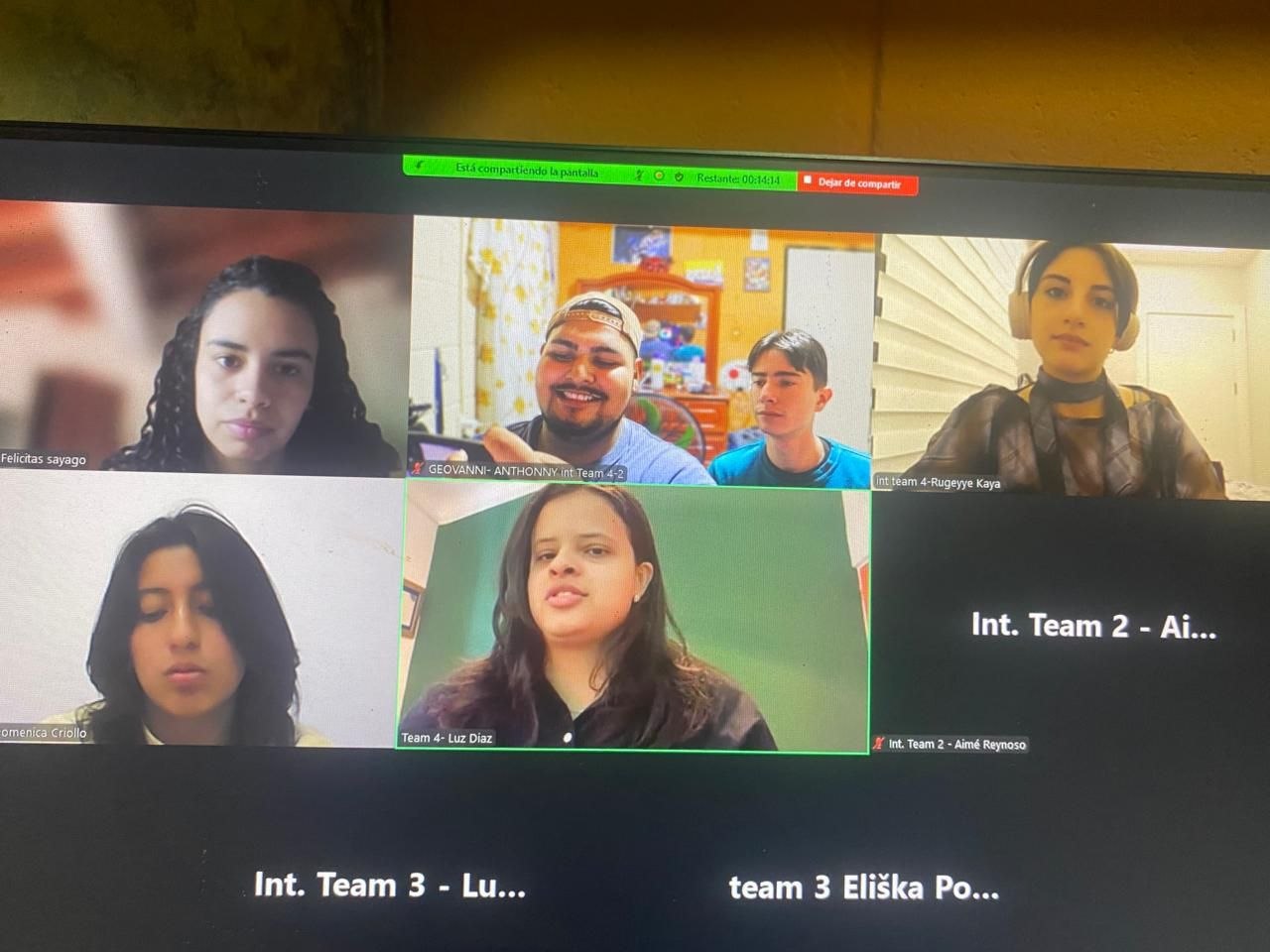
“Futures” is part of a long-term initiative (2023–2026) aimed at developing so-called epistemic justice—an approach that involves taking into account diverse knowledge, experiences, and cultural perspectives in shaping a sustainable future. The focus is on understanding how global political and social processes influence the present and future of education, society, and youth.
As part of the project, students worked in 4 international teams, each of which was mentored by two faculty members from different Alliance universities. This format fostered the development of intercultural communication, critical thinking, and teamwork skills.
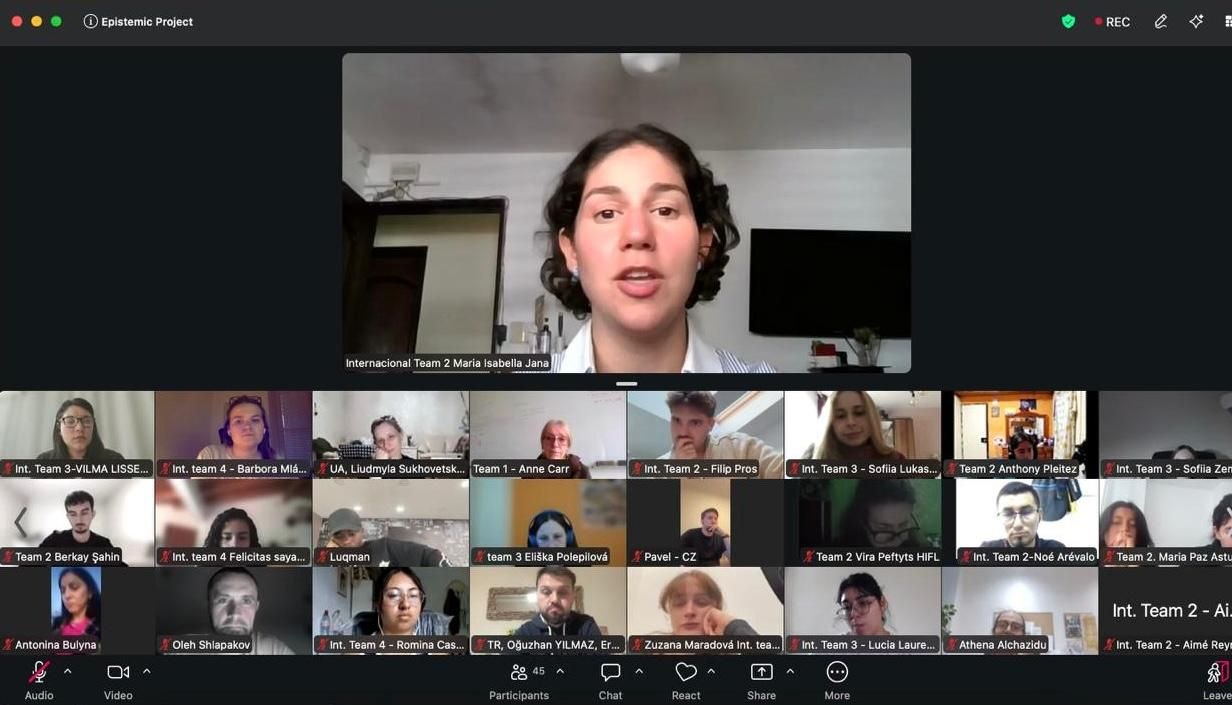
In total, four synchronous online sessions took place, during which teams presented their work in front of all teams, discussed ideas, and worked in interdisciplinary groups in separate Zoom rooms. The fifth meeting (April 8) was dedicated to summarizing the previous four sessions, reflecting on them, and evaluating the results of the work.
Written feedback from each of the four teams following each synchronous session also played a crucial role, facilitating a deeper understanding of the presented ideas and final conclusions.
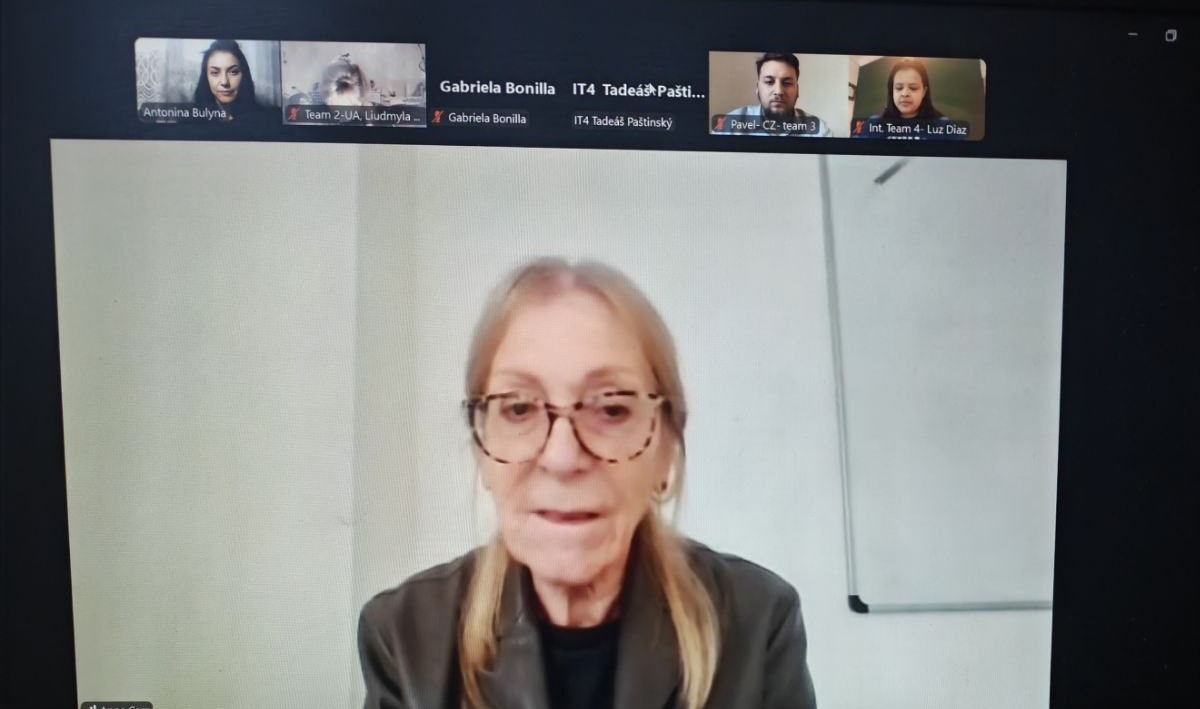
This year, participants focused on developing four key future scenarios (through 2070), covering: environmental challenges and the state of the environment, visions of technological development, the role of artificial intelligence in society, and cultural transformations in the distant future.
These topics allowed students to reflect on global challenges through the lens of different cultures and academic approaches.
The project will culminate in an international conference taking place May 18–20, where participants will have the opportunity to present the results of their work to a broad academic community.
The implementation of the “Futures” virtual project is an important example of international cooperation in higher education, fostering global thinking, the development of intercultural competence, and a joint search for answers to the challenges of the future.
The work was coordinated on behalf of UzhNU by Antonina Bulyna, a representative of the International Relations Department and a Doctor of Philosophy in Philology.