Training on monitoring dangerous natural and man-made geoprocesses in the cross-border territory took place at UzhNU

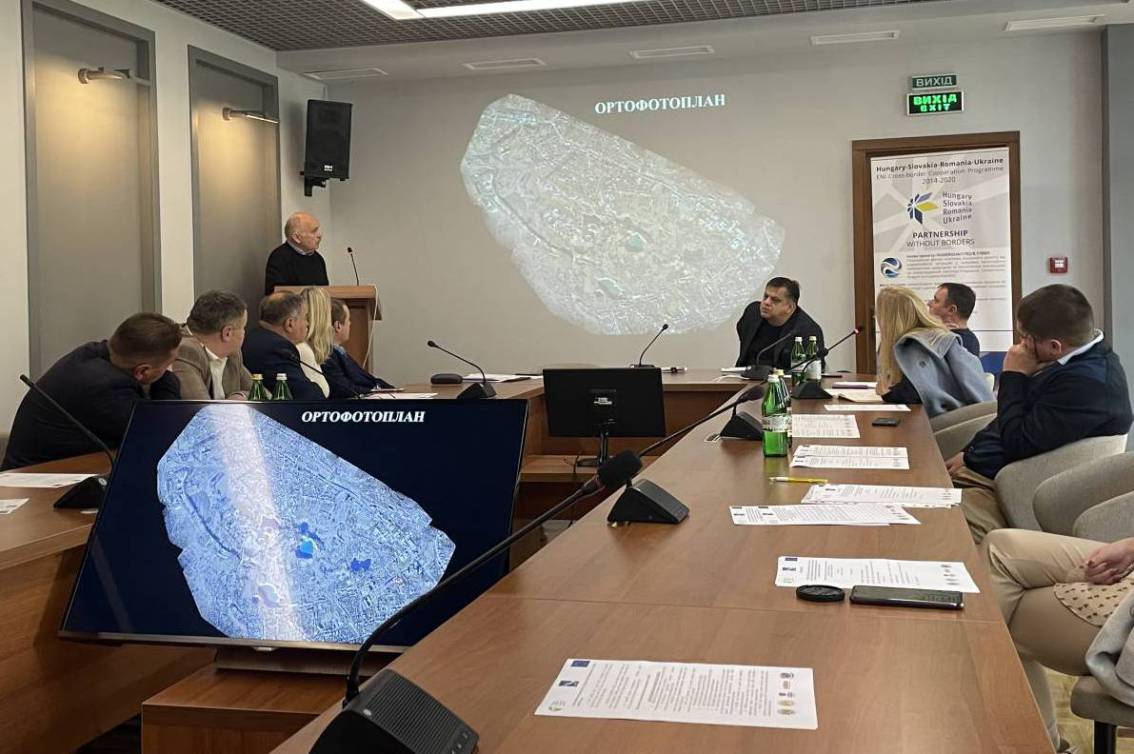
2–3 листопада Ужгородський університет у рамках міжнародного проєкту «Розширення діючої «Системи космічного захисту від надзвичайних ситуацій» у напрямку моніторингу небезпечних природних і техногенних геопроцесів на транскордонній території Угорщини, Словаччини, Румунії та України» провів тренінг.
Захід розпочався 2 листопада у залі Вченої ради УжНУ і продовжився наступного дня у смт Солотвино. До участі долучилися провідні вітчизняні й зарубіжні науковці, представники виконавчої влади і органів місцевого самоврядування, фахівці обласних організацій і установ, які працюють у сфері геодезії і картографії.
Проєкт, в рамках якого відбувся тренінг, фінансується Європейським Союзом за програмою транскордонного співробітництва «Угорщина-Словаччина-Румунія-Україна» Європейського інструменту сусідства 2014–2020. Серед основних, вже досягнутих результатів проєкту, варто відзначити: проведення комплексної оцінки загроз та ризиків у Карпатському регіоні, опрацювання даних геомоніторингу небезпечних зсувних процесів та селевих потоків у долині річки Тиса, прогнозування виникнення сильних дощів у прикордонних районах для запобігання повеням, розроблення спільної інноваційної стратегії запобігання екологічним катастрофам в Карпатському регіоні.
Запланованих результатів удалося досягти завдяки спільній і злагодженій роботі партнерів проєкту: відділу закордонних справ та регіонального розвитку департаменту тендерів та проектів Загальних зборів області Саболч-Сатмар-Берег (Угорщина), Університету Павла Йозефа Шафарика в м. Кошиці (Словаччина), Технічного університету м. Клуж-Напока (Румунія), Будапештського університету технологій та економіки (Угорщина).
Захід відкрив проректор з наукової роботи Ужгородського університету, доктор медичних наук, професор Іван Миронюк, який наголосив на важливості міжнародної співпраці у науковій сфері, особливо враховуючи сьогоднішні реалії. Адже Україна, набувши статусу країни-кандидата до вступу в ЄС, тепер має удвічі більше працювати у напрямку інтеграції до європейської спільноти, у тому числі і в науково-освітній галузі. І в цьому сенсі ґрантова підтримка, як один із інструментів транскордонної співпраці, завжди є додатковою основою для впровадження інноваційних задумів науковців.
Продовжив цю думку начальник управління містобудування і архітектури Закарпатської ОВА, головний архітектор Закарпатської області Микола Пігуляк, додавши також і про міжнародні проєкти, які реалізуються його управлінням у сфері запобігання змінам клімату та адаптації до них.
Під час тренінгу виступила й д.т.н., проф. Ужгородського університету, координаторка проєкту Наталія Каблак на тему геодезичного моніторингу природних та техногенних процесів на території смт Солотвино, зокрема у районі солерудника.
Д.т.н., професор кафедри вищої геодезії та астрономії Львівської політехніки Степан Савчук ознайомив присутніх із результатами досліджень сучасної геодинаміки на території Солотвина за даними геодезичного моніторингу.
Про методики застосування БПЛА, як альтернативу космічному зніманню для дослідження надзвичайних ситуацій, розповів д.т.н., професор, кафедри завідувач кафедри фотограмметрії та геоінформатики Львівської політехніки Володимир Глотов.
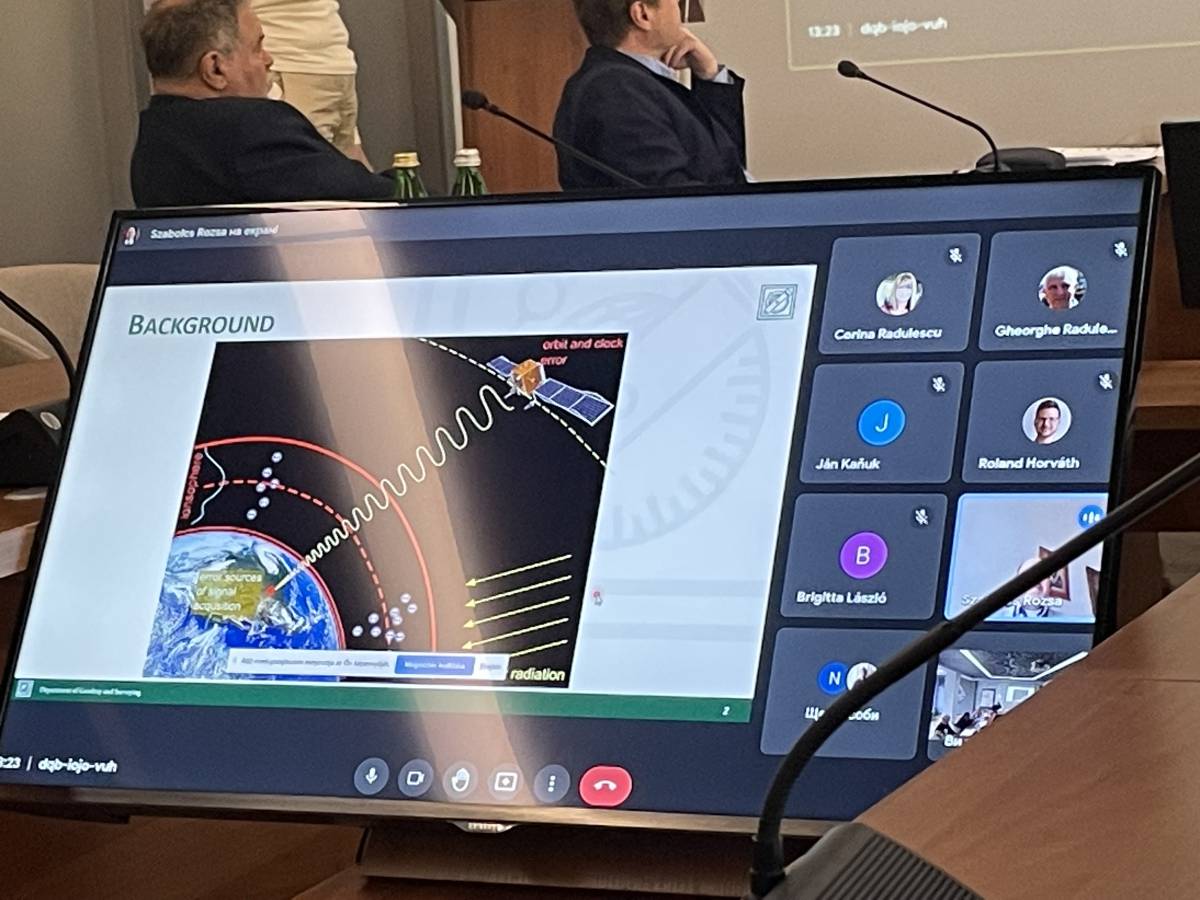
Угорські партнери – керівник проєкту, доктор Рожа Саболч, доцент Будапештського університету технології та економіки та Роланд Горват, дослідник Супутникової геодезичної обсерваторії м. Печ – поділилися досвідом проведення томографічної реконструкції атмосферної водяної пари в транскордонному регіоні Карпат.
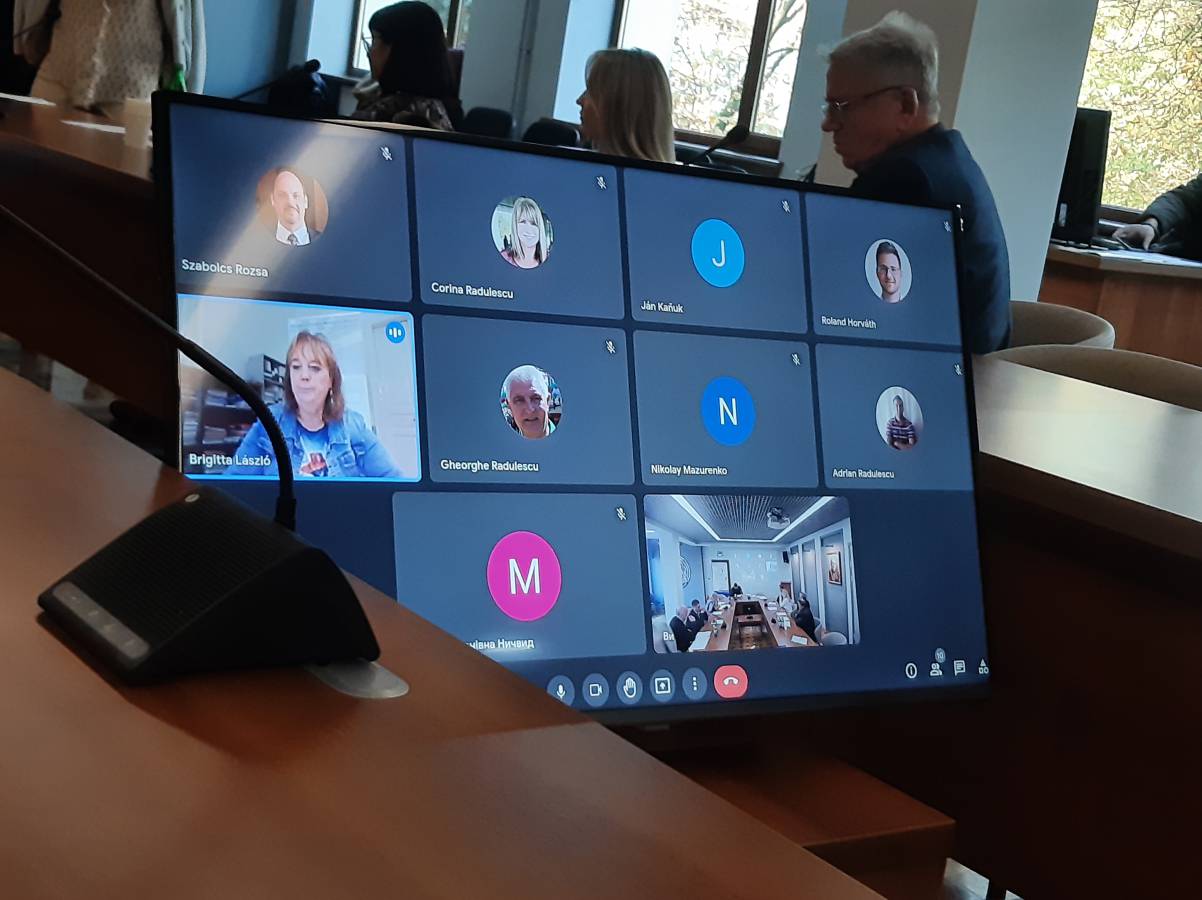
Інтегровані рішення для геомоніторингу зсувів, як отримані основні результати проекту GeoSES, були обговорені учасниками тренінгу з ініціативи керівника проєкту з боку румунських партнерів, доктора технічних наук Технічного університету Клуж-Напока Адріана Радулеску та почесного професора, доктора технічних наук цього ж вишу Георга Радулеску.
На ще одній важливій складовій частині управління ризиками стихійних лих – комунікації наголосила професор Коріна Радулеску з факультету економіки та фізики Технічного університету Клуж-Напока.
Під час обговорень і дискусій на тему запобігання виникненню ризиків стихійних лих виступили виконавчий менеджер проекту Іван Калинич (к.т.н, професор, доцент) та директор ЗРФ ДП «УкрДАГП» Іван Проданець.
Доктор Ян Канюк, керівник лабораторії географічних інформаційних систем факультету природничих наук Університету Павла Йожефа Шафарика в м. Кошиці (Словаччина), поділився результатами, досягнутими в ході реалізації проєкту словацькими партнерами.
Особливу увагу учасників та зацікавленість викликав виступ Брігітти Майорне Ласло, референта відділу закордонних справ і регіонального розвитку департаменту тендерів та проєктів органу самоврядування області Саболч-Сатмар-Берег Угорщини, яка розповіла про розроблену спільну кліматичну стратегію для транскордонного регіону Угорщина-Словаччина-Румунія-Україна, яка може стати дорожньою картою для наступниих дій науковців, громадськості та місцевої влади у сфері збереження навколишнього середовища й запобігання екологічним катастрофам.
Важливим елементом результатів впровадження проєкту є сайт, який включатиме комплексну геоінформаційну систему в унікальній інтегрованій базі даних про навколишнє середовище. Вебресурс проєкту буде створено на тій самій платформі, що й геопортал містобудівного кадастру Закарпатської області. Це дозволить організувати ефективний обмін геопросторовими даними між цими двома інформаційними ресурсами. Про це розповів учасникам начальник відділу містобудування управління містобудування і архітектури Закарпатської ОВА Максим Павлей.
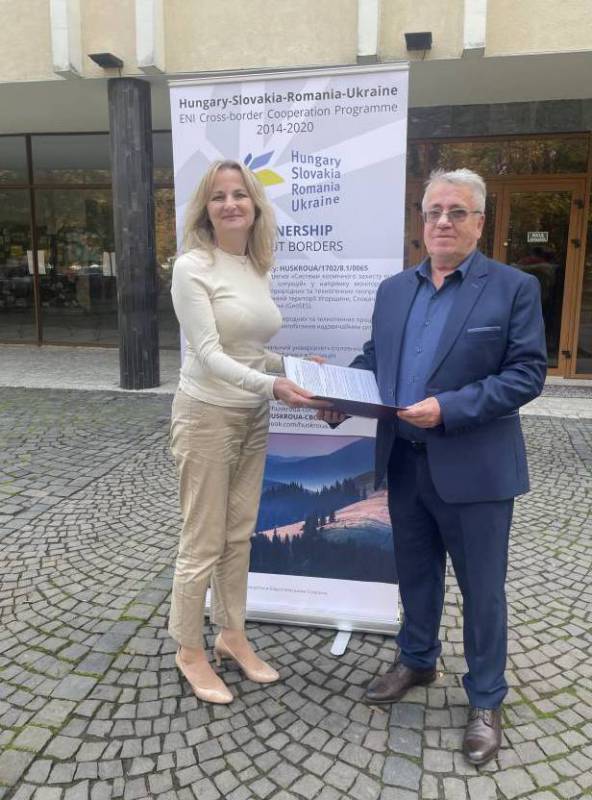
Завершився захід урочистим врученням Національному університету «Львівська політехніка» підписаного керівниками восьми вишів Словаччини, Румунії, Угорщини, Польщі та Чехії Меморандуму про порозуміння між учасниками науково-освітнього консорціуму «Геоінформаційні технології» (ГІТ). Консорціум є добровільним об’єднанням університетів та науково-дослідних установ України і країн-членів ЄС, створеним для координації зусиль з метою досягнення світового рівня у пріоритетних напрямках розвитку геоінформаційних технологій, підтримки сталого розвитку, модернізації вищої освіти в галузі ГІТ та підготовки висококваліфікованих кадрів для наукових і освітніх установ.


