Erasmus+ Staff Week: UzhNU Representatives Gain International Mobility Experience in Romania
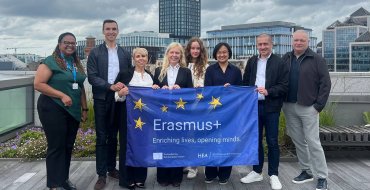
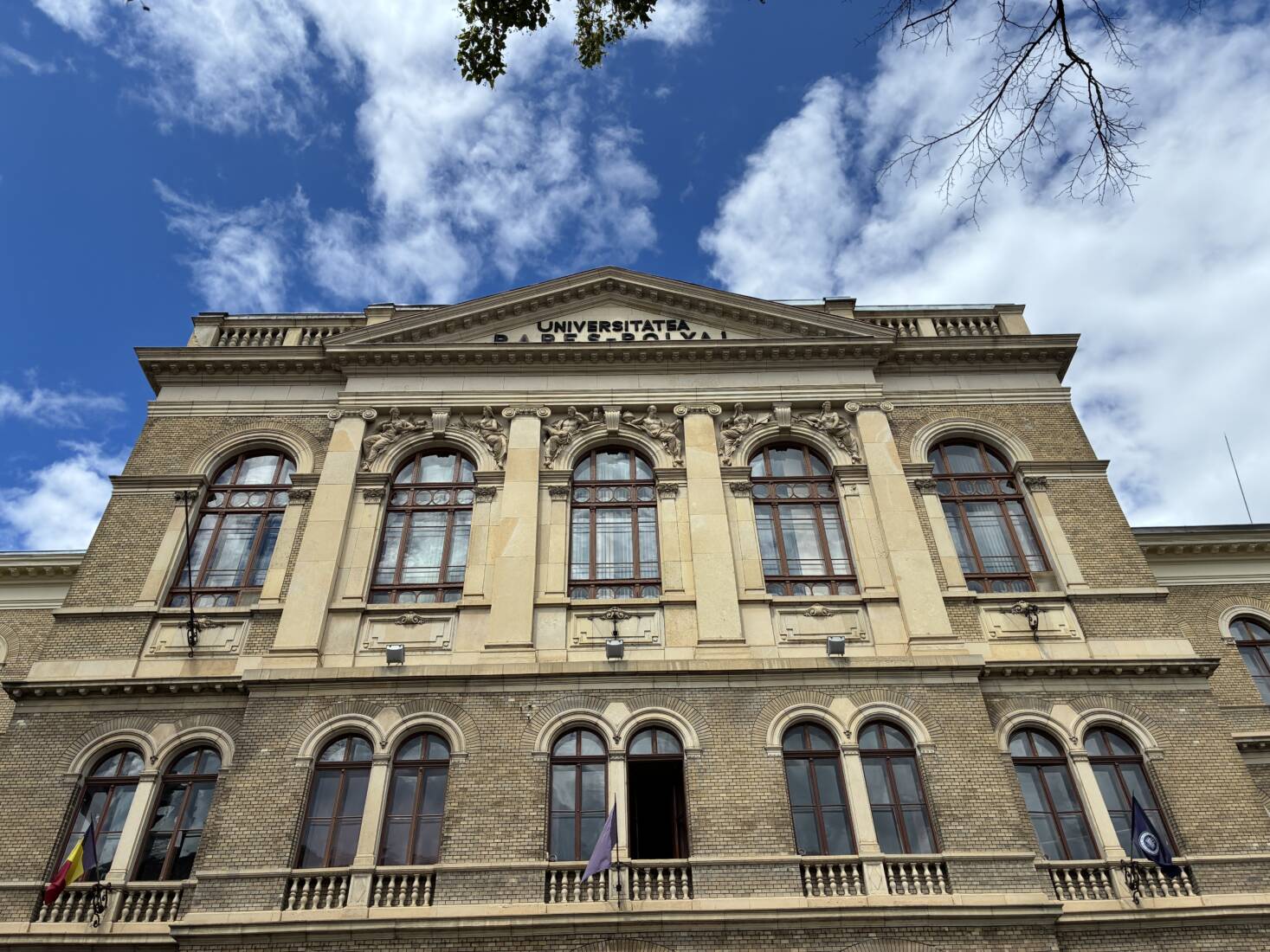
Babeș-Bolyai University (UBB) in Cluj-Napoca, Romania, became the meeting place for representatives of 16 universities from 14 countries around the world. From 20 to 24 July, staff members of international relations offices and university lecturers enhanced their professional skills during the Erasmus+ Staff Training Week. The intensive programme focused on the exchange of experience, strengthening international cooperation, and the development of academic mobility programmes.
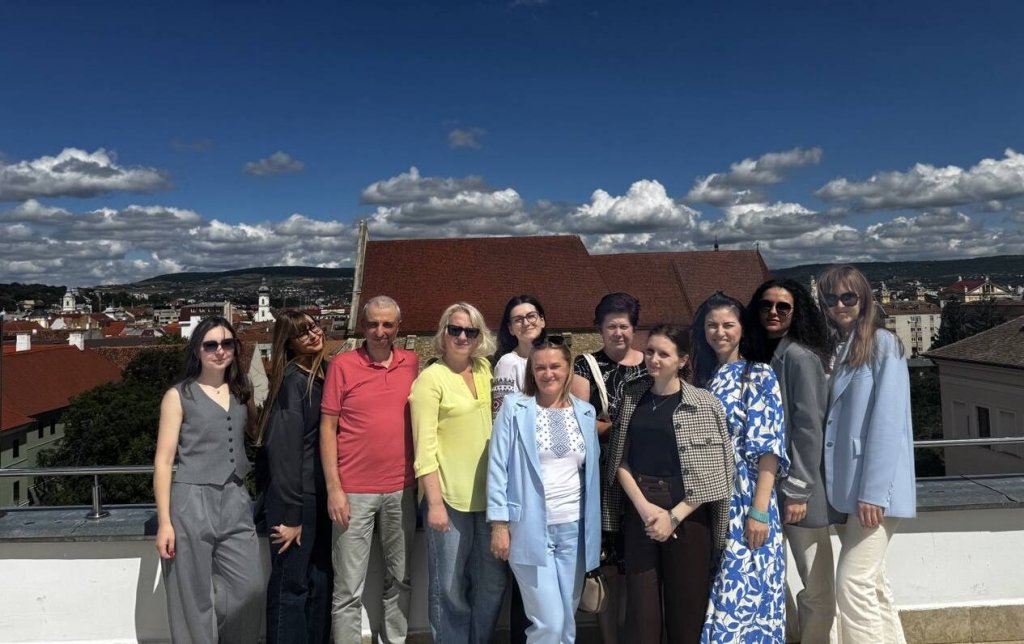
Uzhhorod National University was one of only two Ukrainian higher education institutions that took part in the mobility week. Alongside the UzhNU delegation, representatives of Yuriy Fedkovych Chernivtsi National University also attended the event in Cluj-Napoca. Managers and academics from Poland, Moldova, Tunisia, Israel, Morocco, South Africa, India, Botswana, Thailand, Türkiye, Jordan, the United States, and Japan also participated in the training.
The delegation from Uzhhorod National University included Antonina Bulyna, Deputy Head of the International Relations Office; Oksana Datsyo, Vice Dean of the Faculty of Foreign Philology; Taras Datsyo, Senior Lecturer at the Department of Romance Languages and Foreign Literature; Nataliia Popovych, Head of the ChristLit Educational and Research Interdisciplinary Centre for the Humanities; Nataliia Tolochko, Associate Professor at the Department of Journalism; and Oleksandra Huzynets, Specialist at the International Relations Office.
The Erasmus+ programme operates across 40 European countries, with a total budget of €6 million. However, EU residents have more opportunities within the programme than participants from countries such as Ukraine. Every year, Babeș-Bolyai University implements thousands of long-term and short-term mobility programmes, as well as numerous other international projects. The staff of the International Relations Office possess extensive experience in this field and therefore devoted the week to training participants on the procedures for applying for various projects, explaining the finer details of the programme, as the application requirements become increasingly demanding each year.
From Networking to Grants: How Mobility Works at UBB
All of the key Erasmus+ Staff Training Week activities took place at the UBB International Cooperation Centre, where the programme successfully combined working sessions, presentations, and networking opportunities. On the first day, Bogdan Glavan, a representative of the International Relations Office, led an interactive session devoted to building a professional identity and career development. During the workshop, participants got to know one another through a professional bingo game and discussed the challenges of career growth.
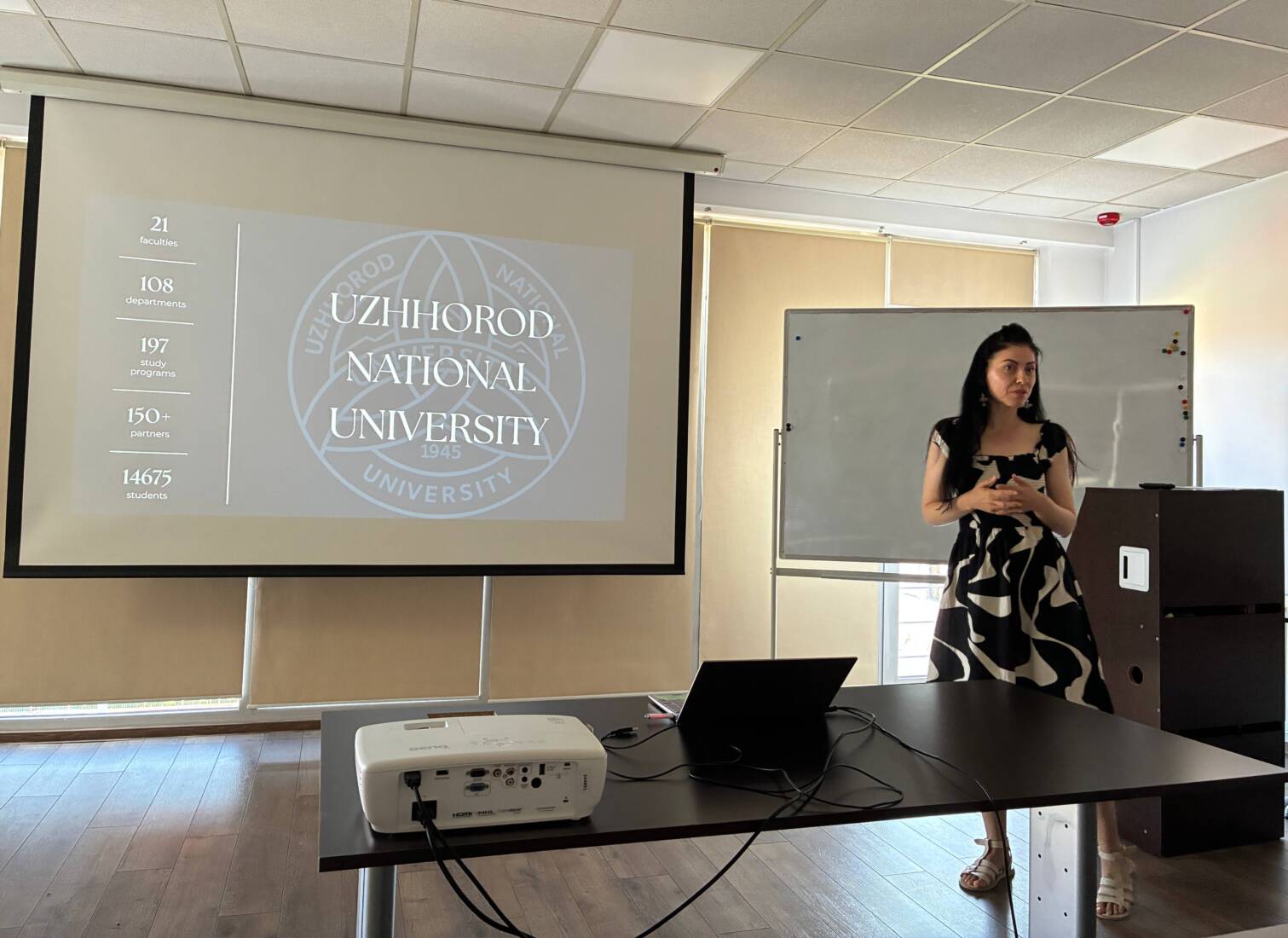
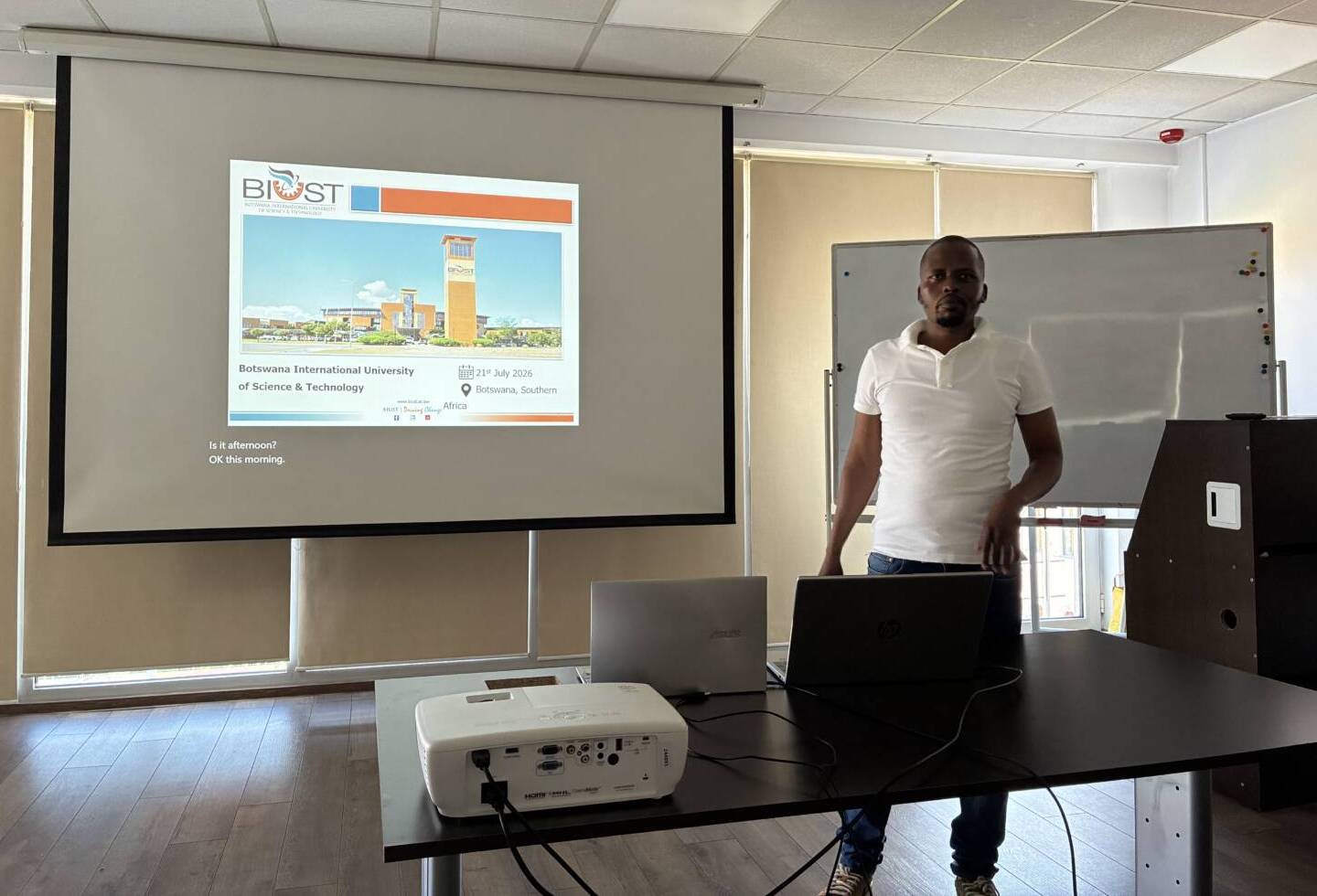
During the second day of training, representatives of the participating universities presented their institutions and spoke about opportunities for future collaboration. Uzhhorod National University was presented by Antonina Bulyna, who focused on the university's key achievements and its international activities. Each presentation generated considerable interest, as participants also showcased videos introducing their cities and countries, allowing everyone to take a virtual journey from Europe to Africa and Asia.
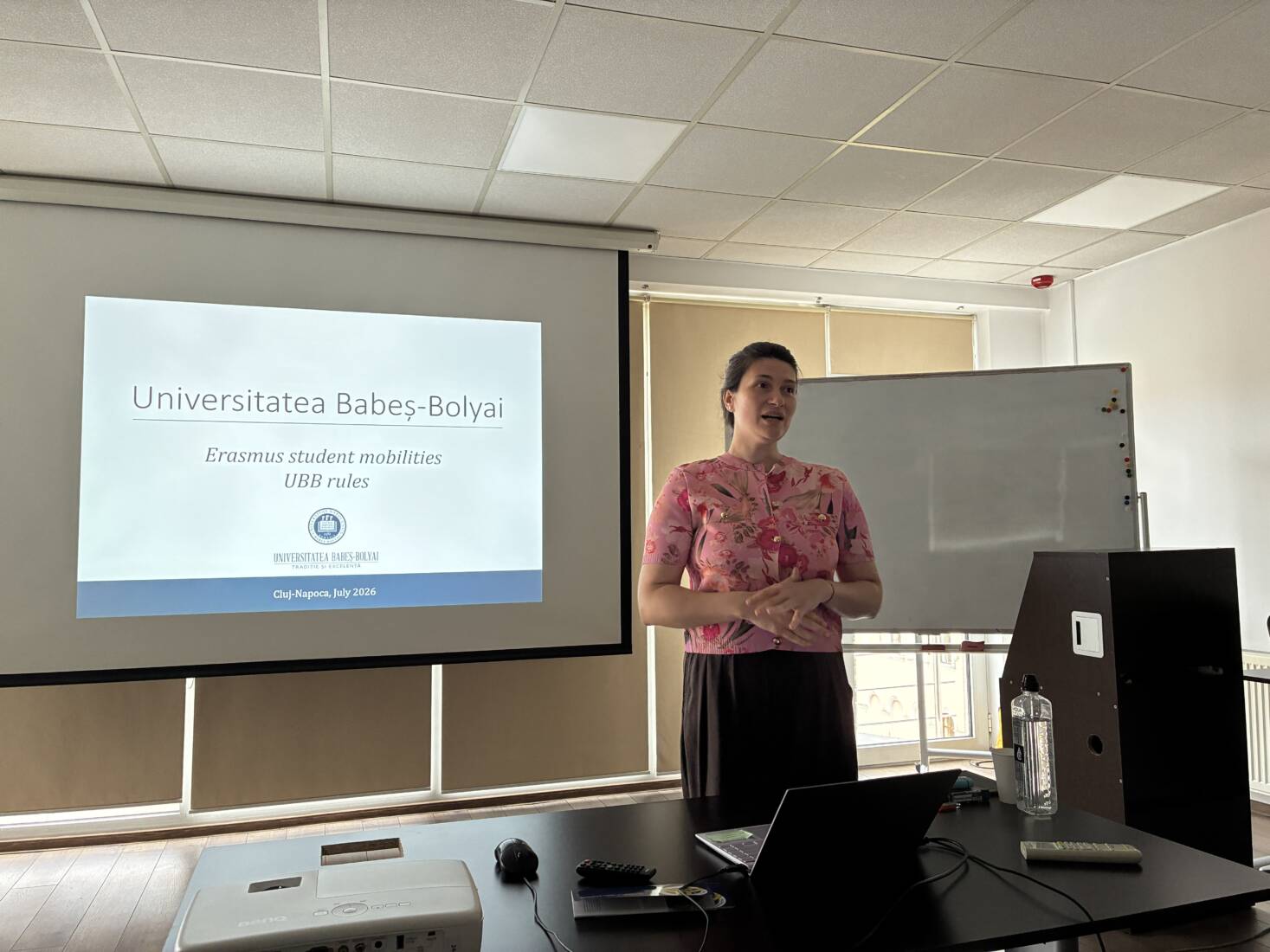
The organisers devoted significant attention to the Erasmus+ programme itself, particularly its rules and practical instruments, which formed the core of the second and third training days. Ramona Onciu, Director of the International Cooperation Centre and Erasmus+ Institutional Coordinator, together with her colleagues Ilona Dranke and Oana Pop, conducted dedicated sessions on the specific features of student and staff mobility.
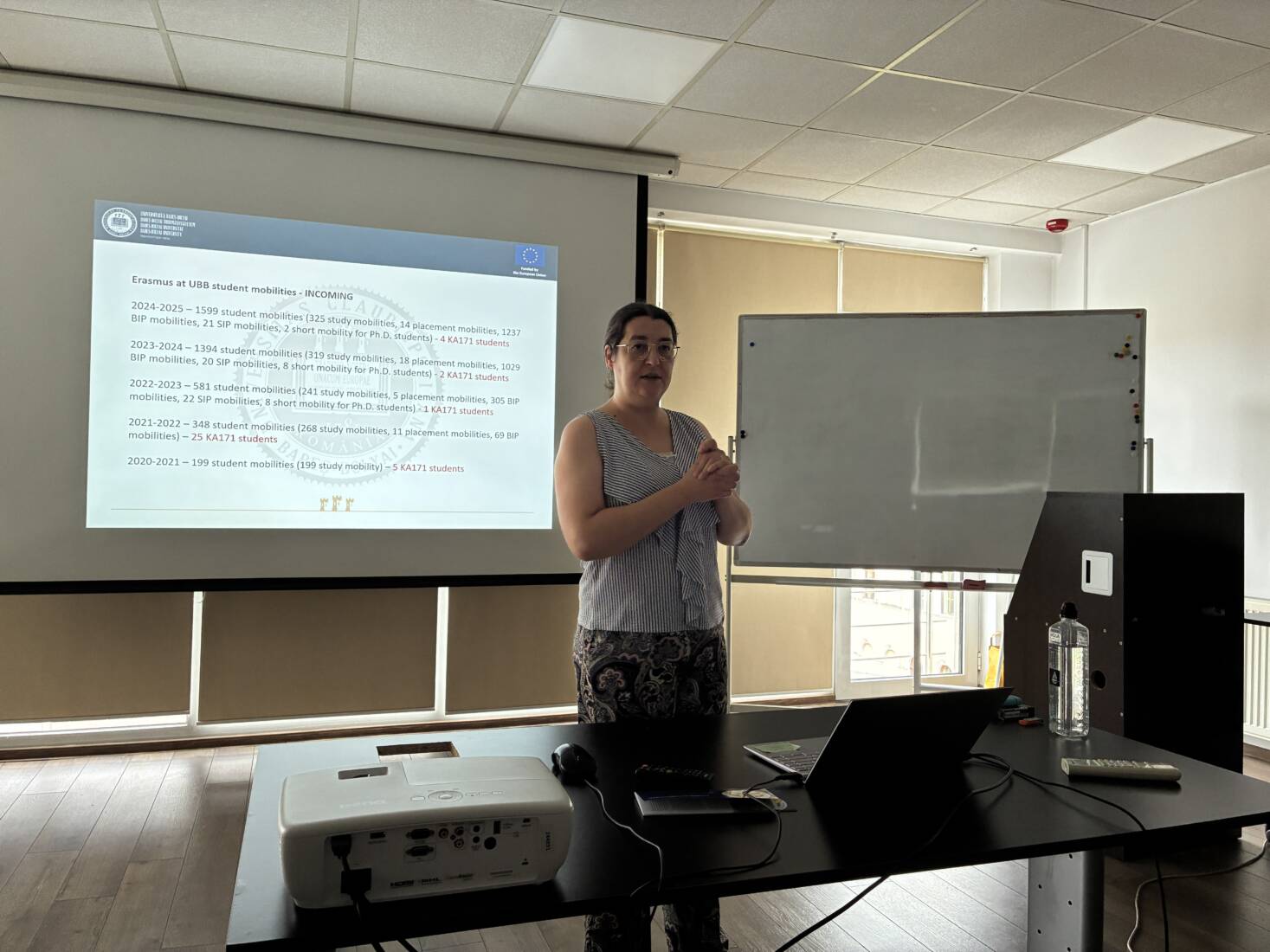
During the 2024–2025 academic year, Babeș-Bolyai University organised 1,047 outgoing student mobilities and hosted 1,599 incoming students participating in various types of mobility programmes, including long-term and short-term physical mobilities, as well as Blended Intensive Programmes (BIP). Participants receive grants that partially cover the costs of their mobility.
"We always encourage applicants to consider smaller cities or countries with a more affordable cost of living rather than expensive European capitals, for example Poland or Croatia. They are among our reliable partners and offer a wide selection of high-quality courses taught in English. It is also important to remember that the university does not organise travel logistics. Participants are responsible for finding and paying for their own transport, compulsory health insurance, and accommodation. Of course, all of these financial and practical matters only become relevant once the applicant has successfully completed the selection process," noted Oana Pop.
According to Ilona Dranke, during the 2024–2025 academic year, UBB organised 981 outgoing academic staff mobilities and 408 incoming staff mobilities.
“For lecturers and researchers, this is a unique opportunity to master innovative teaching methods, expand their digital skills, and improve educational programmes. In addition, direct contact with colleagues from European universities makes it possible to exchange best practices, launch joint research and educational projects, and strengthen international cooperation. As a result, this enables us to better prepare our students for the modern labour market,” said Ilona Dranke.
Agreements on Potential Partnerships for Journalists and Theologians
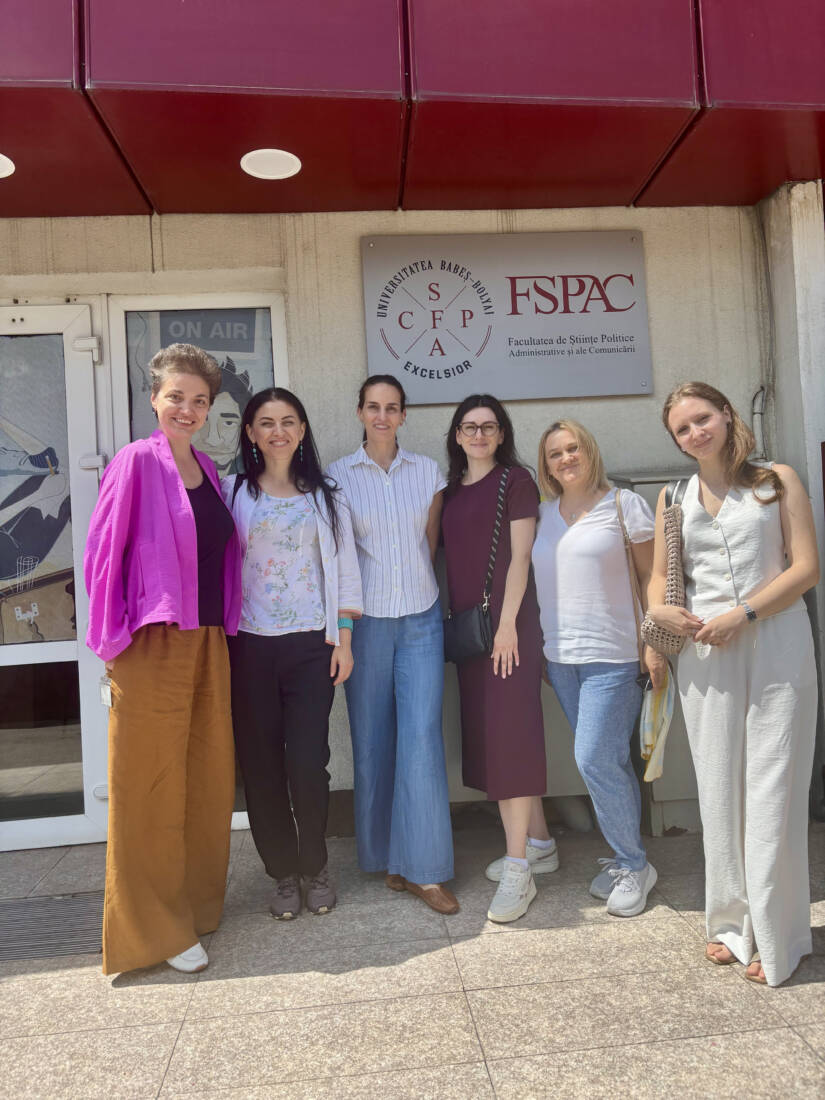
In addition to participating in the Erasmus+ Staff Training Week, the UzhNU representatives held a number of individual working meetings. One of the first was with Professor Andreea Mogoș, Vice Dean of the Faculty of Political, Administrative and Communication Sciences (FSPAC). She gladly responded to Nataliia Tolochko’s request for a meeting and introduced the local Department of Journalism and Digital Media, where she teaches photojournalism. She also gave the delegation a tour of the classrooms and media studios used for journalism training.
The Department of Journalism and Digital Media has 21 academic staff members and more than one hundred students. Its curriculum covers journalism from the fundamentals to print, audiovisual, and digital media. Students complete internships at local television and radio companies, the Romanian Public Broadcaster, as well as media outlets in their home regions.
Currently, five Ukrainian students are enrolled in bachelor's and master's degree programmes at the faculty. The lecturers highly praised their academic performance and English language proficiency, noting that Ukrainian students generally demonstrate strong language skills.
During the meeting with the UzhNU delegation, Dr Arina Neagu, who is responsible for international cooperation at the faculty, spoke about the opportunities offered by the Erasmus+ programme. Subject to the availability of grants, lecturers and students of UzhNU's Department of Journalism will be able to participate in mobility programmes. Representatives of the journalism departments of both universities also agreed to cooperate in research and project activities by participating in conferences and developing joint initiatives.
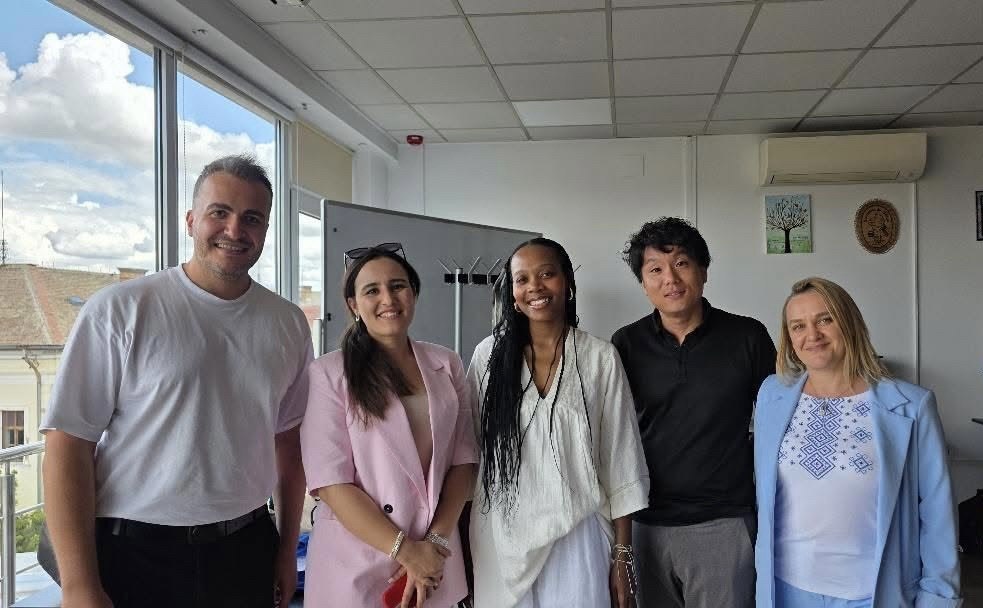
Another meeting took place at the initiative of Nataliia Popovych at the Roman Catholic Faculty. Gyöngyvér Bereczki, Deputy Director of the Doctoral Studies Office and the faculty's Erasmus+ coordinator, who is also a doctoral student at the faculty, gave Nataliia a tour of the teaching facilities.
They discussed opportunities for future cooperation, including the organisation of a short online lecture course by the ChristLit Centre entitled "Just Peace and the Crisis of Truth in the Theology of Pope Benedict XVI", as well as participation in conferences, planning joint project activities, and organising future thematic meetings between the faculty and the Centre.
Cluj-Napoca: A Transylvanian City at the Crossroads of Cultures
The organisers of the Erasmus+ Staff Training Week ensured that the visit included not only an academic programme but also a rich cultural component. Participants enjoyed a guided sightseeing tour of Cluj-Napoca, visited the Botanical Garden, and travelled to Sighișoara, whose historic centre is included on the UNESCO World Heritage List.
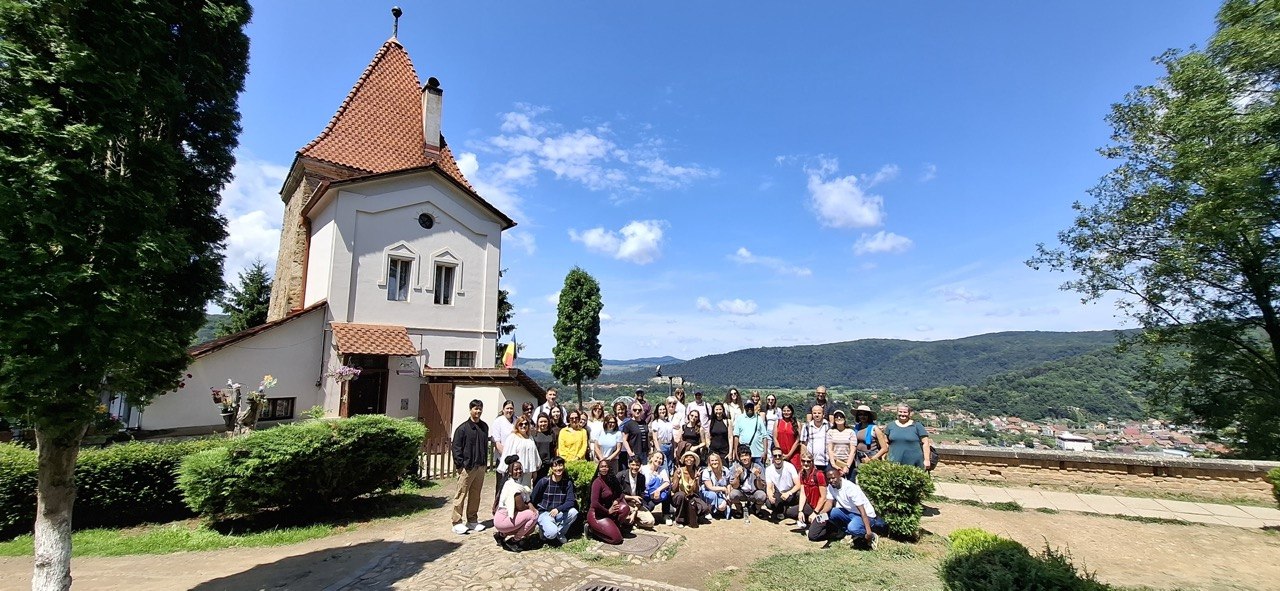
Cluj-Napoca is a multicultural hub that continues to develop thanks to its vibrant student community. Its historic centre vividly reflects centuries of influence from different peoples and cultures, including the Romans, Hungarians, and Germans.
Today, Cluj-Napoca attracts young people from all over the world. The city is home to particularly strong Spanish and French communities. Notably, French students make up the largest international student community in this part of Europe, numbering around 2,000.
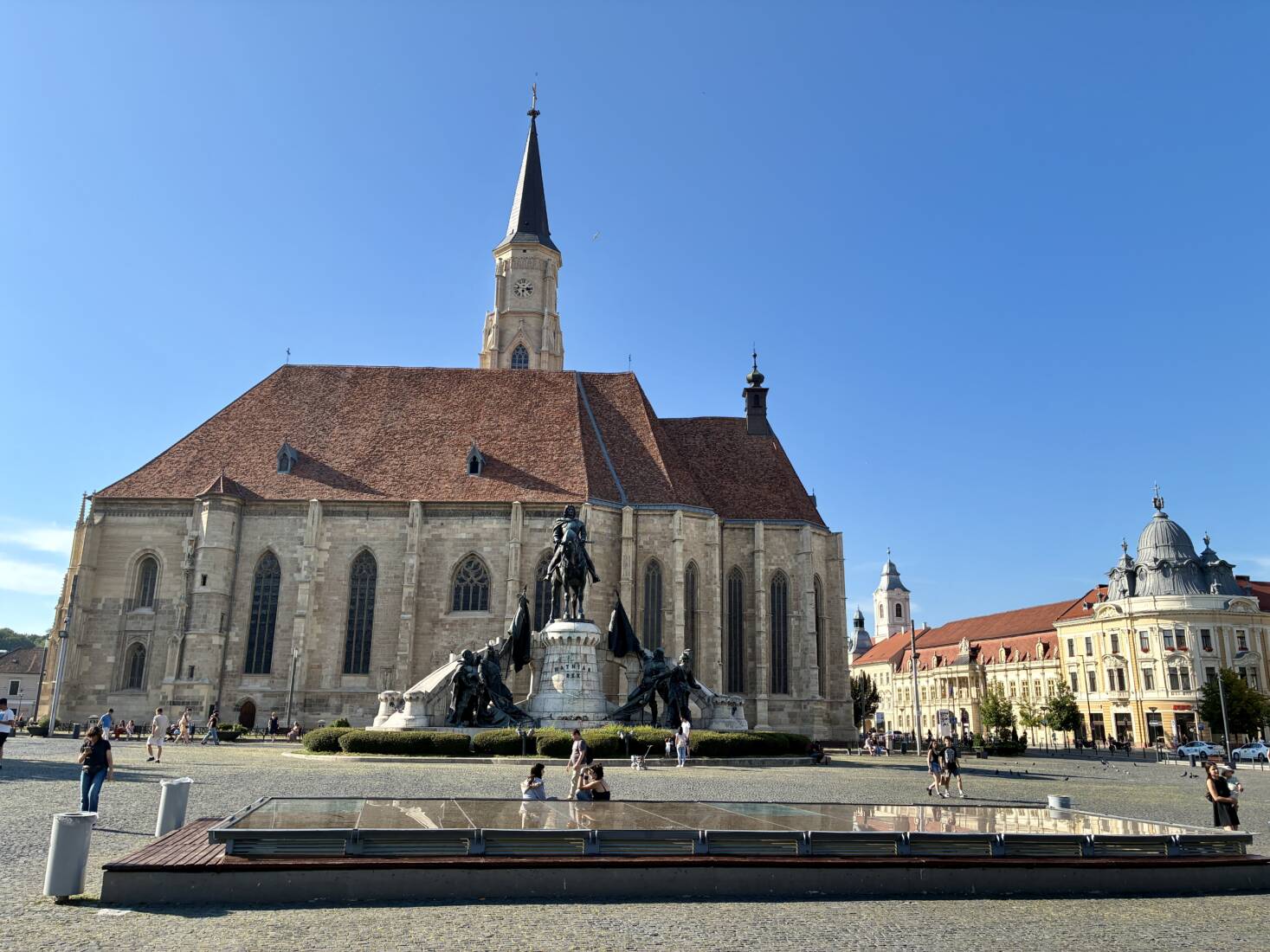
Cluj-Napoca is often referred to as the "unofficial capital of Transylvania." Today, the city has a population of more than 300,000.
Babeș-Bolyai University (UBB) is a unique reflection of the city's history, as it is officially a trilingual university. Courses are taught in Romanian, Hungarian, and German, while numerous programmes are also offered in English for international students. It is an outstanding example of multiculturalism in practice.
Since 1991, the university has established a number of cultural centres representing different nations of the world, thereby reinforcing its strategic international partnerships. On the final day of the training week, Mihaela Bogdan, an expert from the Office of Inter-University Agreements, delivered a presentation about these cultural centres. They bring together students from different countries, organise a variety of events, and play a key role in the Festival of Cultures, held annually in the centre of Cluj-Napoca. In addition, the university organises an inter-university course on internationalisation each year, open to all interested participants.
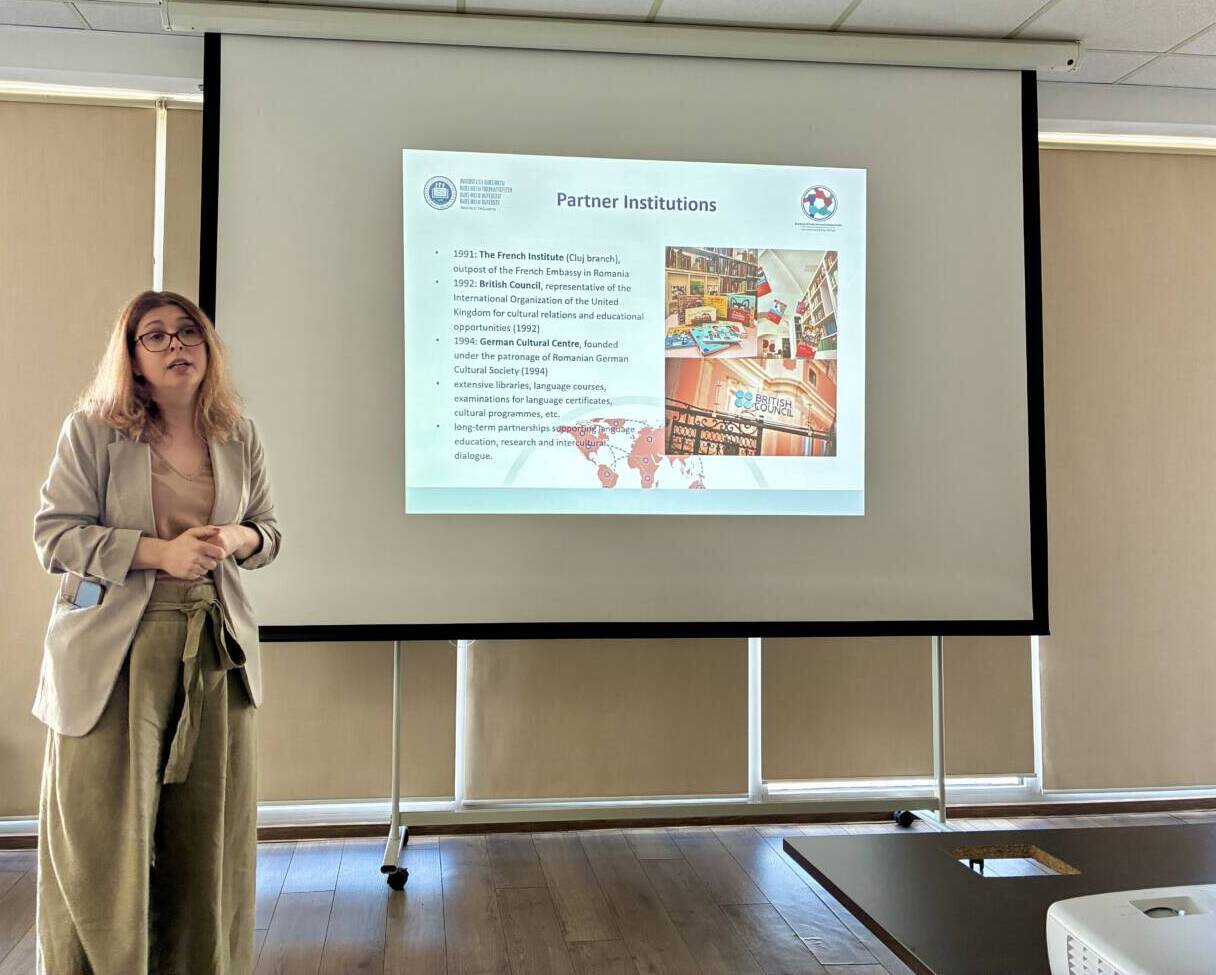
The Ukrainian community does not yet have its own cultural centre, although it has become quite active since 2022. At the same time, cooperation with Russian universities and all Russian institutions was suspended by a decision of the UBB Administrative Council in March 2022. Today, around 2,000 Ukrainians live in Cluj-Napoca, while approximately 80 Ukrainian students are enrolled at the university. They are offered state-funded study places and receive a monthly scholarship.
The international mobility week concluded with a summary session and a formal certificate award ceremony.
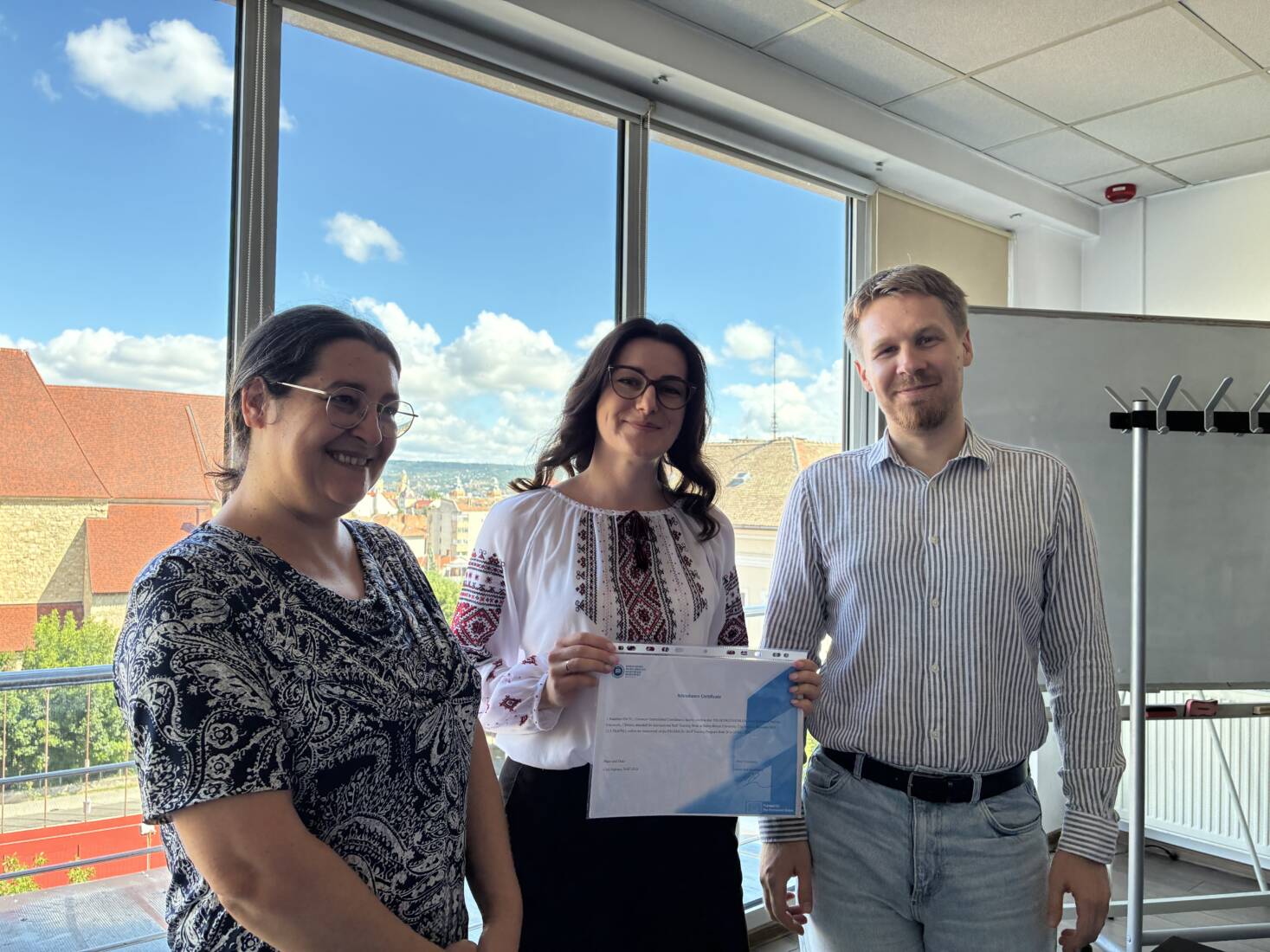
Participation in the mobility week enables the delegation from Uzhhorod National University to adopt advanced management practices, expand its network of international partners, and create new opportunities for internships and professional development for both students and academic staff. Such training events bring together dozens of colleagues from different countries, providing an ideal environment for exchanging ideas and launching new joint projects.
Nataliia Tolochko