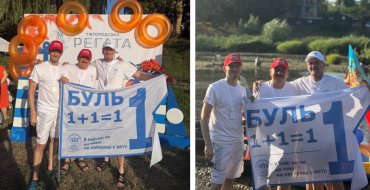
Representatives of the Faculty of Philology introduced their British colleagues to the Ukrainian language and culture

From November 3 to 7, Lancaster University (UK) hosted Ukrainian Language and Culture Week, which was filled with a variety of online and offline activities. It began with an inter-university lecture entitled “From Ukraine to the UK: Young People on Ukrainian Language and Culture,” which was conducted remotely by students of the Faculty of Philology of UzhNU.

Ukrainian Language and Culture Week was a continuation of cooperation within the framework of the “The UK-Ukraine Twinning Initiative” project, in which UzhNU and the University of Lancashire are participating. The initiative is led by the Cormack consulting group with the support of the President of Ukraine's Fund for Education, Science and Sports, the Ministry of Culture of Ukraine, and the Ukrainian Institute.
The event was moderated by Richard Braim, project manager for international partnerships at the Department of International Partnerships. Antonina Bulina, deputy head of the international relations department, joined from Uzhhorod University.
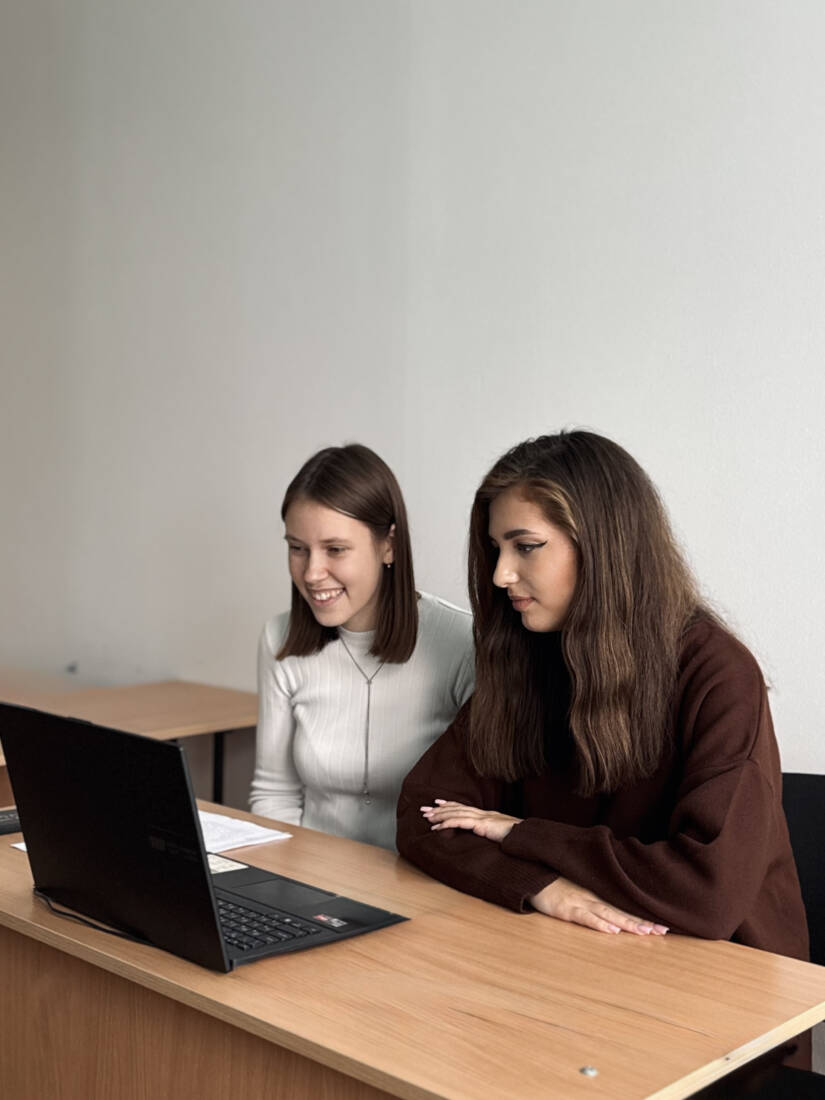
The lecture was prepared by students of the Ukrainian and Czech departments: Evelina Yakym (Ukrainian Language and Literature. English Language and Literature), Hanna Filey (EP “Czech Language and Literature”) and the journalism department – students of EP “International Journalism” Polina Moruga, Marianna Chaybinets, Oleksandra Korol. The coordinator was Natalia Tolochko, associate professor of the Department of Journalism.

The participants gave presentations, talked about linguistic and cultural features, and combined their speeches with interactive tasks such as quizzes, surveys, videos, and explanations of neologisms from the Russian-Ukrainian war.
Students from the Ukrainian and Czech departments talked about the peculiarities of studying the Ukrainian language at the Faculty of Philology, presented an interactive block on dialectisms, explained their meaning and the uniqueness of the Ukrainian linguistic picture of the world.
Media students focused on cultural features: they talked about Ukrainian folk holidays, traditions, and symbols. They tested the British students' knowledge of Ukraine in a quiz format and used memes to explain the meaning of words and catchphrases that originated during the war. They emphasized authenticity, regional and national traditions, and in particular the fact that linguistic and cultural processes shape Ukraine's image.
British colleagues actively participated in interactive exercises and left their feedback on the online classes. Those present noted the sincerity, creativity, and depth of the material presented, and emphasized the importance of young people telling the world about their culture in their own voices.
In the days that followed, Ihor Vegesh, associate professor of political science and public administration, joined Ukrainian Language and Culture Week with a lecture entitled “Ukrainian civic culture in the context of war: origins, trends, challenges.” In addition, Lancaster University hosted a screening of the cartoon “Mavka” and a meeting with writer Oksana Lutsyshyna. On November 6–8, the British university was visited by a delegation led by Rector Volodymyr Smolanka, Vice Rector Myroslava Lendiel, and Deputy Head of the International Relations Department Antonina Bulyna.
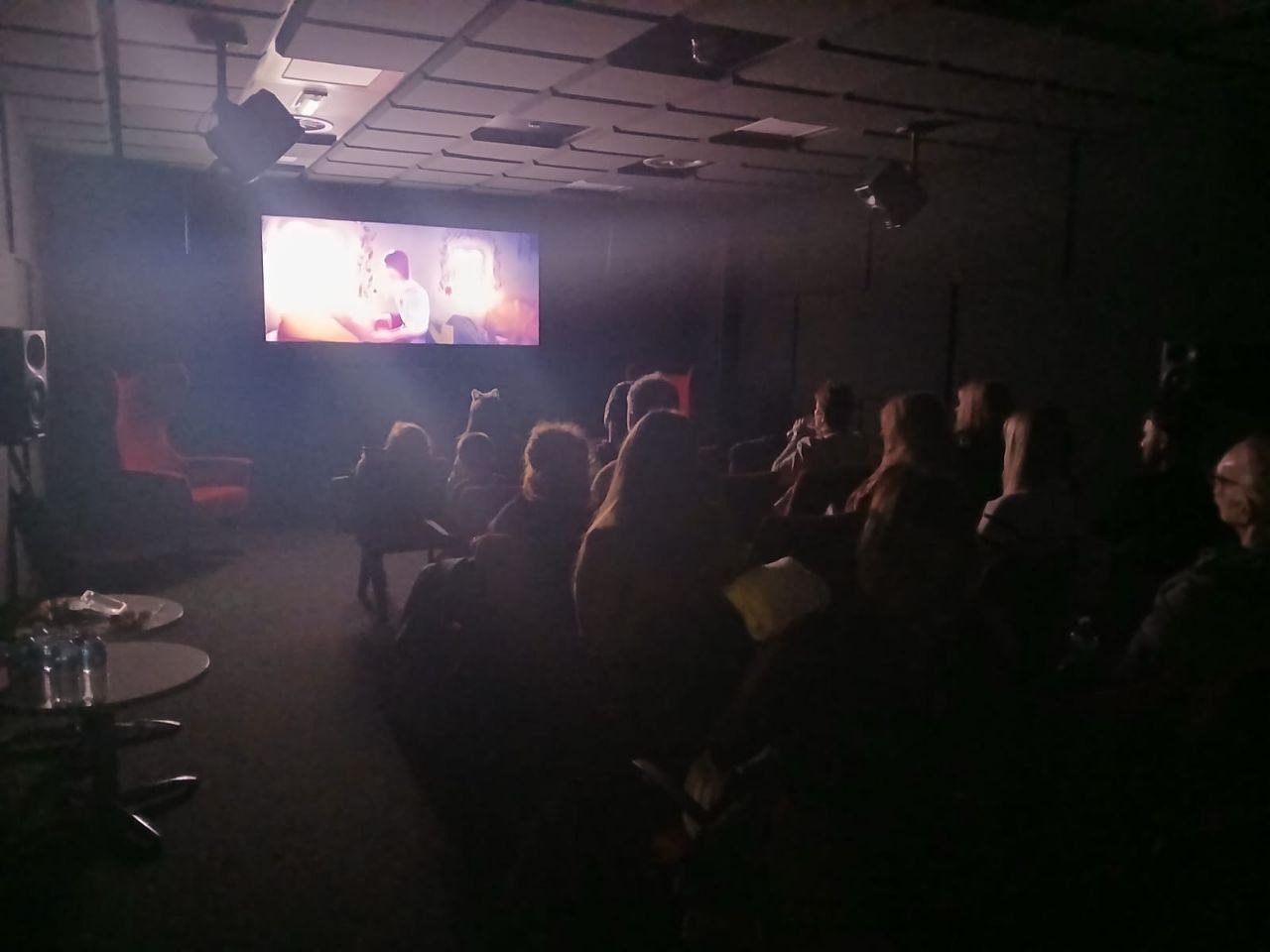
In the days that followed, Ihor Vegesh, associate professor of political science and public administration, joined Ukrainian Language and Culture Week with a lecture entitled “Ukrainian civic culture in the context of war: origins, trends, challenges.” In addition, Lancaster University hosted a screening of the cartoon “Mavka” and a meeting with writer Oksana Lutsyshyna. On November 6–8, the British university was visited by a delegation led by Rector Volodymyr Smolanka, Vice Rector Myroslava Lendiel, and Deputy Head of the International Relations Department Antonina BulYna.
Олександра Король,
студентка відділення журналістики УжНУ