
DRANICA.24: Preserving the Cultural Heritage of Traditional Woodworking in the Carpathian Euroregion

Co-financed by the INTERREG VI-A NEXT HUNGARY-SLOVAKIA-ROMANIA-UKRAINE Programme, with a budget of €476,809.20 (total project budget: €529,788.00), the DRANICA.24 initiative aims to enhance cross-border cooperation and improve the quality of life in the Carpathian Euroregion. This project focuses on preserving and promoting the cultural immaterial wooden heritage of the Hungary-Romania-Ukraine cross-border region, specifically in Borsod-Abaúj-Zemplén, Maramureș, and Zakarpattia.

The project, running from January 2025 to December 2026, brings together partners from Hungary, Romania, and Ukraine, including the Chamber of Commerce and Industry Maramureș (Romania), Maramureș Museum (Romania), Uzhhorod National University (Ukraine), and the University of Miskolc (Hungary). The main goal of DRANICA.24 is to foster knowledge transfer and strengthen ties between local communities, empowering them to better appreciate and sustain their cultural heritage.
Cultural Immaterial Heritage and the Role of Woodworking
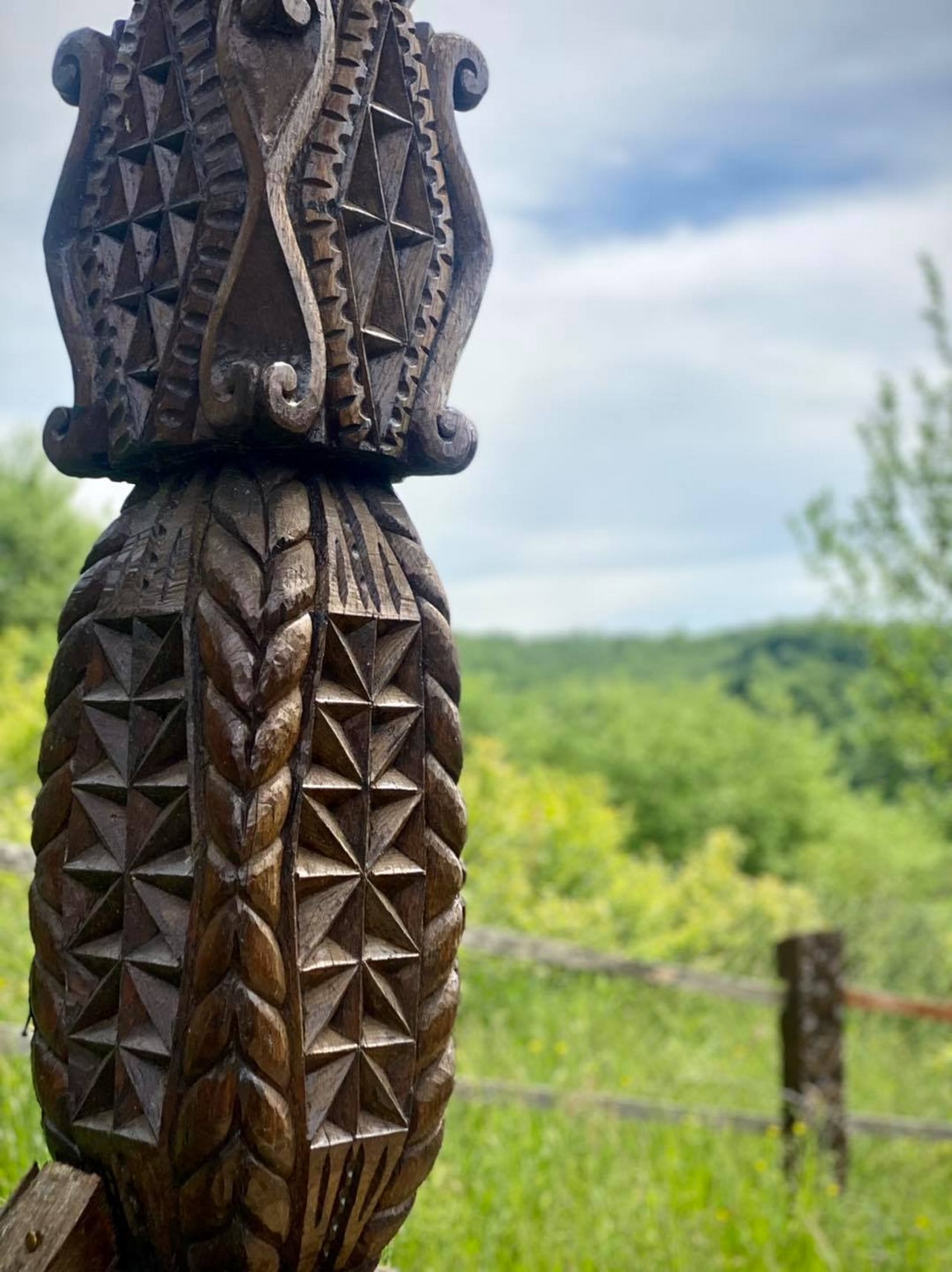
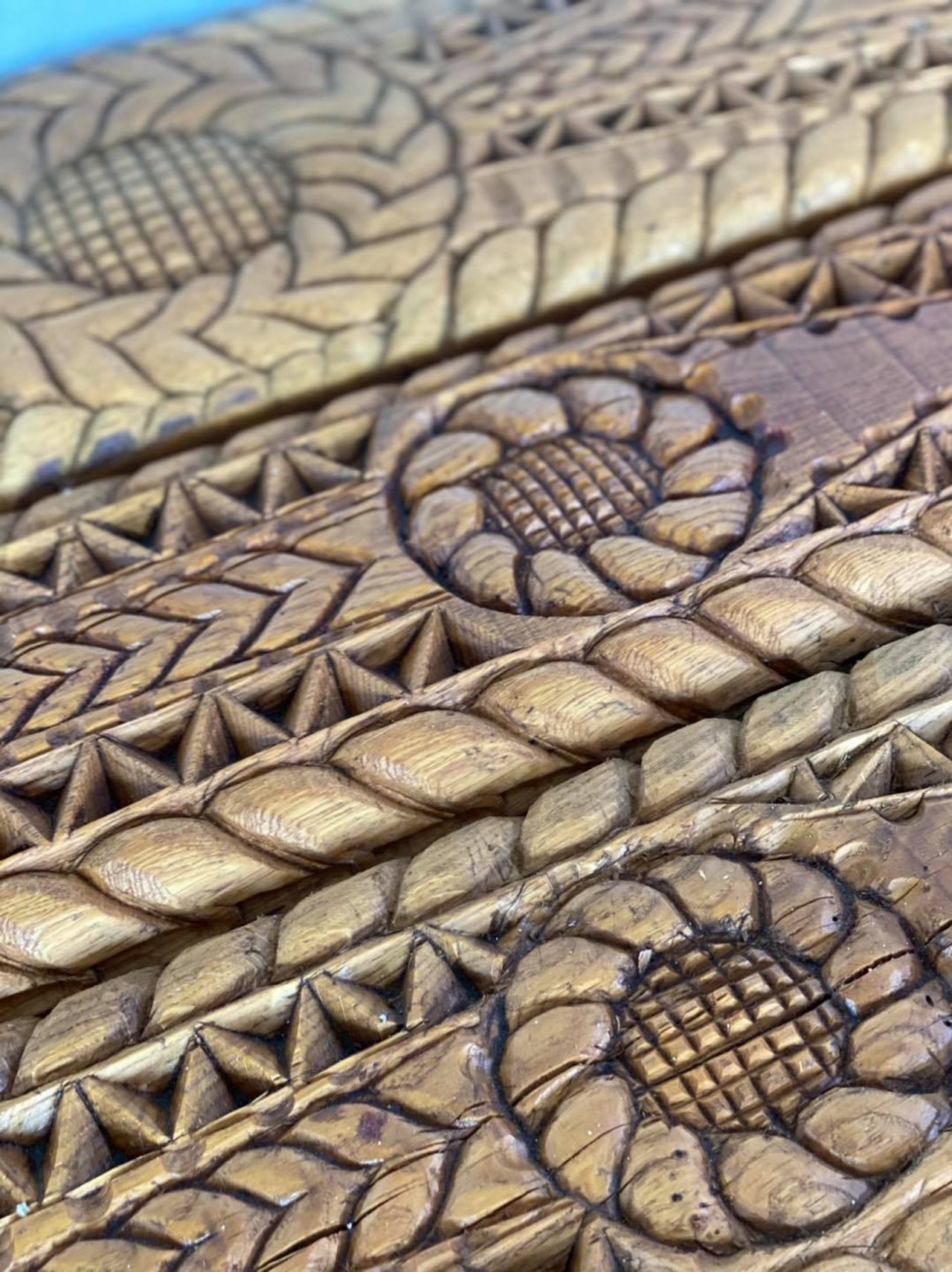
Cultural immaterial heritage is commonly associated with folk traditions such as music and dance, but it also encompasses traditional building crafts, with woodworking playing a central role. Wood is an integral part of the regional culture, especially reflected in the vernacular buildings of the area. The region's wooden churches showcase the extraordinary craftsmanship involved in creating log structures, with plane and well-sealed walls constructed using simple hand tools. These buildings serve as a testament to the skilled craftsmanship that has been passed down through generations.
However, there is a growing concern about the diminishing number of skilled woodworkers, as the craft is often seen only in artistic or decorative contexts. The importance of preserving this knowledge cannot be overstated, as traditional craftsmanship, once lost, is extremely difficult to revive. Continuous practice is essential for ensuring the survival of these skills.
Objectives and Activities of the DRANICA.24 Project
The DRANICA.24 project aims to preserve and promote the cultural immaterial heritage of woodworking through several key objectives:
- Cultural Knowledge Enhancement: Researching traditional woodworking methods to provide a comprehensive understanding of regional techniques, tools, and know-how in joinery, carpentry, and wood carving.
- Knowledge Transfer: Creating a technical handbook for traditional woodworking, detailing tools, techniques, and craftsmanship, and organizing workshops and events to transfer this knowledge to relevant stakeholders.
- Awareness and Tourism Promotion: Raising awareness of the region's unique culture and its tourism potential by linking local woodworkers to a specialized tourism market, catering to tourists seeking authentic woodworking experiences.
The project's success will be measured by its ability to not only preserve the cultural heritage of the region but also promote it as a key aspect of the region's tourism industry.
Uzhhorod National University’s Role
At the end of 2024, Uzhhorod National University (UzhNU) received grant support for six projects under the INTERREG NEXT cross-border cooperation programme. Among the selected projects is DRANICA.24, which focuses on the preservation of traditional woodworking tools and techniques in the Carpathian Euroregion. UzhNU plays a key role in this project, with Myroslava Lendiel, Vice-Rector for Academic Affairs and DRANICA Project Manager, highlighting the importance of preserving the region's cultural heritage for future generations of Europeans. According to Lendiel, the Carpathian region, especially Zakarpattia Oblast, is home to unique traditions and crafts that are crucial to preserve.
Preserving a Disappearing Craft
As Pavlo Lenio, an expert researcher and associate professor of archaeology, ethnology, and cultural studies at UzhNU, points out, wood harvesting and processing were once the most common occupations in Zakarpattia after farming and pastoralism. Folk crafts and trades related to wood are rich in knowledge and skills that deserve to be preserved and promoted. With modern mass production displacing traditional woodworking methods, DRANICA.24 offers a unique opportunity to document and safeguard this craft for future generations.
Partnership and Collaboration
The DRANICA.24 project is coordinated by the Chamber of Commerce and Industry Maramureș (Romania) and is a collaborative effort among key institutions in the Carpathian Euroregion. In addition to Uzhhorod National University, the project involves the Maramureș Museum (Romania), the University of Miskolc (Hungary), and local woodworkers and cultural experts from the region. Together, they will work to ensure the preservation of this invaluable cultural heritage while fostering cross-border cooperation and local community engagement.
In conclusion, DRANICA.24 represents a significant step towards preserving the rich cultural and historical traditions of the Carpathian Euroregion. By focusing on the preservation of traditional woodworking tools and techniques, the project not only safeguards an important aspect of the region’s cultural identity but also enhances local tourism and fosters greater regional cooperation.


