Internship Experience at Uzhhorod National University: A New Pathway for International Medical Graduates

Starting from 2024, Uzhhorod National University has launched internship training in the specialty of General Medical Practice for international students. This new opportunity provides a clear pathway for international graduates who studied in Ukraine to complete their medical training and legalize their qualifications for employment as doctors in the European Union. According to the regulations of the Ministry of Health of Ukraine, these students may complete their internship in either one or two cycles. More information is available here: https://www.uzhnu.edu.ua/uk/news/faq-intrn-general-medicine.htm.
However, with the launch of the program, a number of challenges have emerged that required additional effort from the university. Among the most complex were the state Ukrainian language exam, the language of instruction, and the format of the KROK-3 licensing exam in the second cycle of the internship. According to the rules of the National Commission that organizes this exam, international students must pass the Ukrainian language test in the same format as required for acquiring Ukrainian citizenship. The exam is only available in a limited number of testing centers, and its cost is around 200 euros, which can be quite expensive.
In practice, many international students who studied in English during their undergraduate medical education do not have sufficient proficiency in Ukrainian to pass such an exam. Internship regulations specify a minimum B1 level of Ukrainian (based on CEFR standards) as a passing result. This level indicates that a person can understand the main points of clear, standard communication on familiar topics related to work, study, and leisure—skills necessary for clinical communication during internship practice. However, B1 is often not enough to understand the core ideas of more complex texts, including specialized discussions in their medical field.
Considering this, and the fact that most international students received their education in English, we believe they should be allowed to take the KROK-3 integrated licensing exam in English.
Understanding the complexity of these issues, Uzhhorod National University has proposed to the Ministry of Health of Ukraine to allow internship training in English for international students who do not intend to work in Ukraine. Additionally, the proposal includes the option for these students to take the KROK-3 exam in English. In our view, this would greatly facilitate their ability to meet regulatory requirements for employment in various EU countries. The Ministry responded with understanding, and negotiations are currently underway to implement these new options for international medical interns. Final decisions are expected before the academic year begins (September 1).
The third major challenge concerns the fact that many international interns permanently reside and work in EU countries, which makes continuous presence in Ukraine difficult during the practical part of the internship. According to the official internship regulations approved by the Ministry of Health of Ukraine, the practical component may be completed not only at the university’s clinical bases but also at other healthcare institutions, including those abroad.
The most effective way to implement this flexibility is through academic mobility. For example, several universities in Germany offer such opportunities, and Uzhhorod National University actively supports the academic mobility initiatives of its international interns. These programs not only broaden students’ personal and professional horizons but also enhance the university’s global reputation. In the long term, such initiatives help build international cooperation networks, attract a more diverse talent pool, and prepare students for work in multicultural environments—a vital skill in today’s globalized medical field.
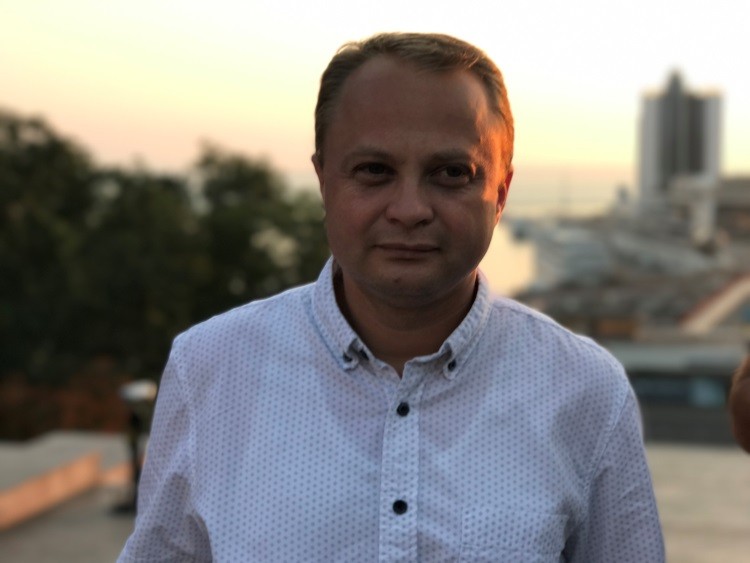
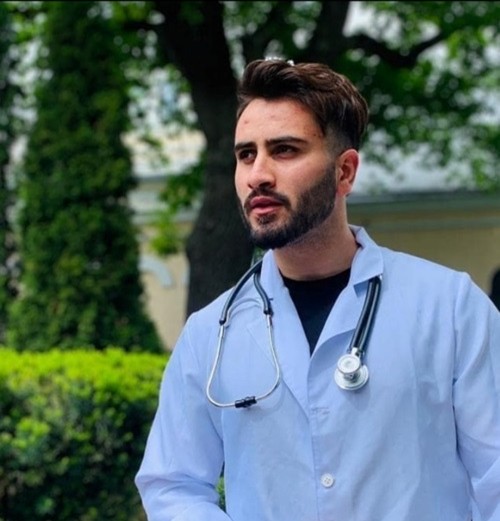
We discussed the internship experience at Uzhhorod National University with Dr. Mykhailo Hechko, Deputy Dean of the Faculty of Postgraduate Education, and Sheikh Abrar, one of the international interns. Their insights are shared below to help you make an informed decision about pursuing your internship at Uzhhorod National University.
The admission campaign for international internship candidates is starting soon, so we invite you to read the following brief interviews, which may be helpful as you consider applying.
What motivated you to support initiative to pursue an internship abroad? How do you see such mobility programs benefiting Uzhhorod University and its students long-term?
Supporting initiative was a natural decision. At Uzhhorod National University, we are always open to forward-thinking ideas that enhance the academic and professional development of our students. International mobility programs not only broaden the horizons of individual students but also elevate the university’s global standing. In the long term, such initiatives help create a network of international collaborations, attract more diverse talent, and prepare our students to work in multicultural environments, which is essential in today’s globalized medical field. Abrar is one of the students currently enrolled in this internship program, and we believe he will share his personal experience.
Are there plans to formally integrate similar international internship opportunities into the medical program, or to create a structured pathway for other students?
Yes, we are actively exploring ways to formalize such opportunities within our academic structure. Based on the success of this pilot experience, we are considering the development of a structured mobility pathway that includes clear guidelines, partnerships with foreign institutions, and support mechanisms for students interested in training abroad. Our goal is to ensure that more students can benefit from these experiences in a transparent and well-supported manner.
Could you share more about the university’s current efforts to make the KROK 3 exam and second internship phase accessible to international students, especially those facing language barriers?
Absolutely. We recognize that language can be a significant barrier for international students. To address this, we have introduced online Ukrainian language courses tailored to medical contexts, specifically for interns. Additionally, we are in ongoing discussions with the Ministry of Education of Ukraine to consider allowing the KROK 3 exam and the second internship phase to be conducted in English. If approved, this would be a groundbreaking step toward making medical education in Ukraine more inclusive and internationally accessible.
How do partnerships with German institutions benefit Uzhhorod University academically or reputationally, and what challenges come with building such collaborations?
Collaborations with German institutions bring immense academic and reputational value. They open doors to cutting-edge medical training, expose our students and faculty to best practices in healthcare, and contribute to the university’s international recognition. However, building such partnerships involves challenges like aligning curricula, meeting regulatory requirements, and ensuring mutual recognition of qualifications. It also requires continuous dialogue, cultural understanding, and administrative flexibility from both sides. Despite these challenges, the benefits far outweigh the difficulties.
What qualities or preparation do you believe make a student a strong candidate for international placements?
A strong candidate for international placements must possess a combination of academic excellence, professional attitude, and intercultural competence. Proficiency in the local language, or at least the willingness to learn it, is crucial. Resilience, adaptability, and the ability to communicate effectively across cultural boundaries are also key. In addition, having relevant clinical experience and institutional support greatly enhances the chances of securing and succeeding in such opportunities.
Interview with Dr.Abrar Sheikh: Pioneering International Medical Internships
Can you tell us a bit about your background and medical education?
My name is Abrar, and I graduated as a Medical Doctor from Sumy State University in Ukraine in June 2024. I’m originally from India, but I’ve long been fascinated by the European healthcare system—especially in German-speaking countries.
Where are you currently in your medical career?
I’m currently completing my internship in Germany. This opportunity is officially recognized and supported by Uzhhorod University in Ukraine, which has played a key role in making this possible.
How did this internship opportunity come about?
It definitely didn’t happen overnight. Securing this internship required persistence, careful planning, and collaboration. I initiated a meeting with the Vice Dean of Uzhhorod University, Mr. Mykhaylo Hechko, to explore the idea of mobility programs that would allow students like me to gain clinical experience abroad. He was extremely supportive and open to innovation, and together we laid the foundation for what I hope will become a pathway for future students.
What wer some of the challenges you faced in arranging the internship in Germany?
Convincing a German university to accept me as an intern came with its own set of challenges. It took a great deal of determination, but by the grace of God and through consistent effort, I managed to secure the placement.
What do you think are the most important factors in successfully pursuing such an opportunity?
From my experience, I’d say there are five key factors:
- Language proficiency
- A positive and professional attitude
- Patience and resilience
- Relevant clinical or academic experience
- Strong institutional support from your home university
Can you share more about the structure of the internship program in Germany?
Absolutely. This is an official internship conducted under the supervision of German universities in affiliated hospitals. Interns receive a monthly gross stipend of around €400. At the end of each clinical rotation, there’s an exam to assess the intern’s medical knowledge and practical skills.
Does completing this internship lead to medical registration in Germany?
No, completing the internship in Germany does not directly result in medical registration. Interns still need to complete the second phase of their internship in Ukraine and pass the KROK 3 examination. This can be especially tough for international students, mainly because the exam is currently conducted in Ukrainian.
Has anything been done to support foreign students facing language barriers?
Yes, Uzhhorod University has started offering remote Ukrainian language courses during the internship to support students like myself. Vice Dean Mr. Hechko also shared that the university is in discussions with the Ukrainian Ministry of Education to possibly allow the second internship phase and KROK 3 exam to be conducted in English. If approved, this would be a major step forward in making medical education in Ukraine more accessible to international students.
How do you feel about the support you’ve received from Uzhhorod University?
I’m sincerely grateful to Uzhhorod National University for endorsing and facilitating my internship in Germany. Their willingness to support forward-thinking ideas is something I truly appreciate. I hope this sets a positive precedent for other students who want to pursue similar paths.
Prepared by Liza Braun and Vitalina Ivachevska