Representatives of the Faculty of Law of Uzhhorod University took part in the TEIN General Assembly in Belgium

How can cross-border cooperation be made more effective, overcome legal and administrative barriers and ensure the long-term development of border regions? These issues were central during the General Assembly of the Transfrontier Euro-Institut Network (TEIN), which took place on 5 October 2026 in the Belgian city of Mons. Representatives of the Faculty of Law of Uzhhorod University also joined the discussion on the future of European cross-border cooperation.
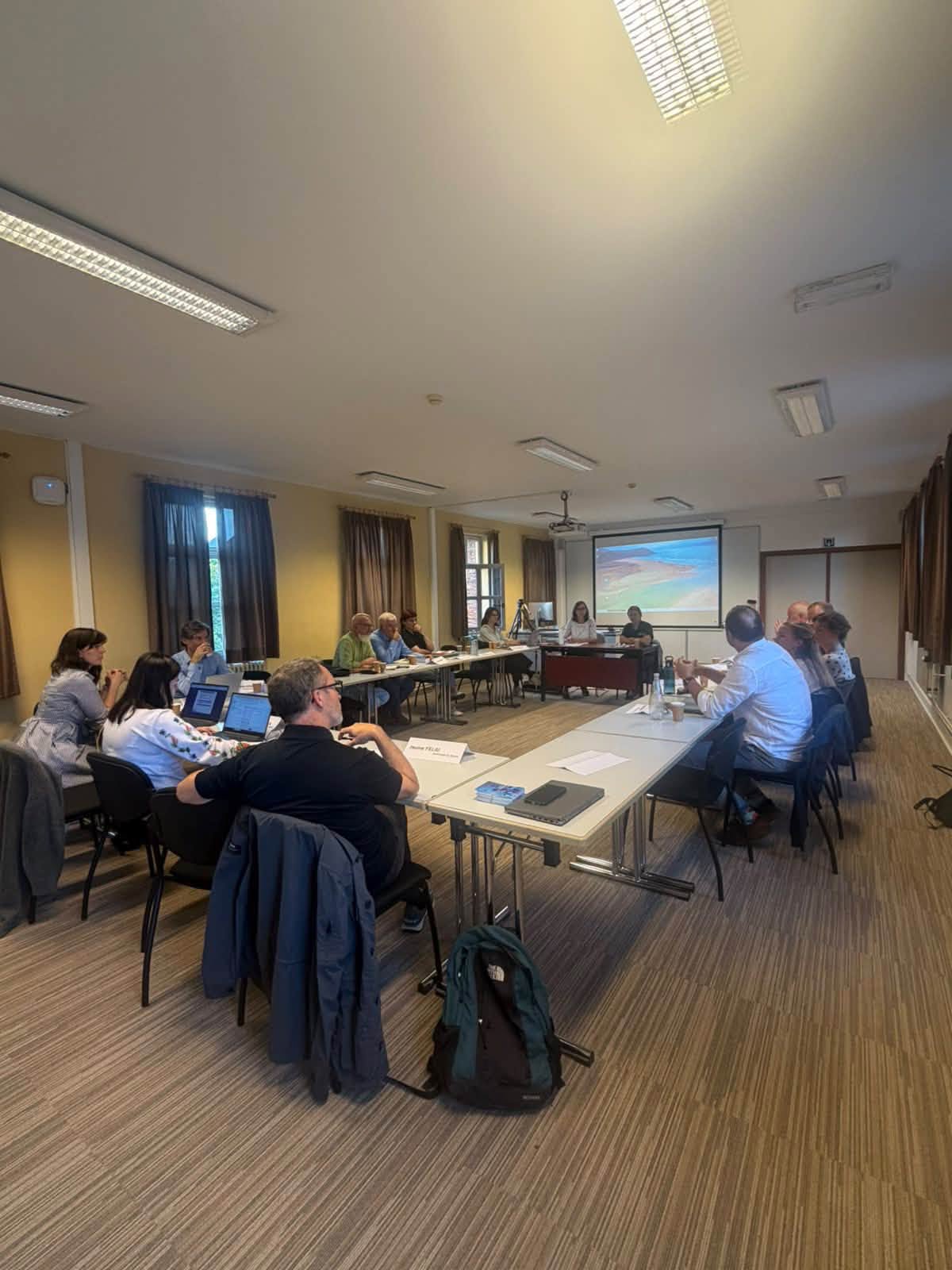
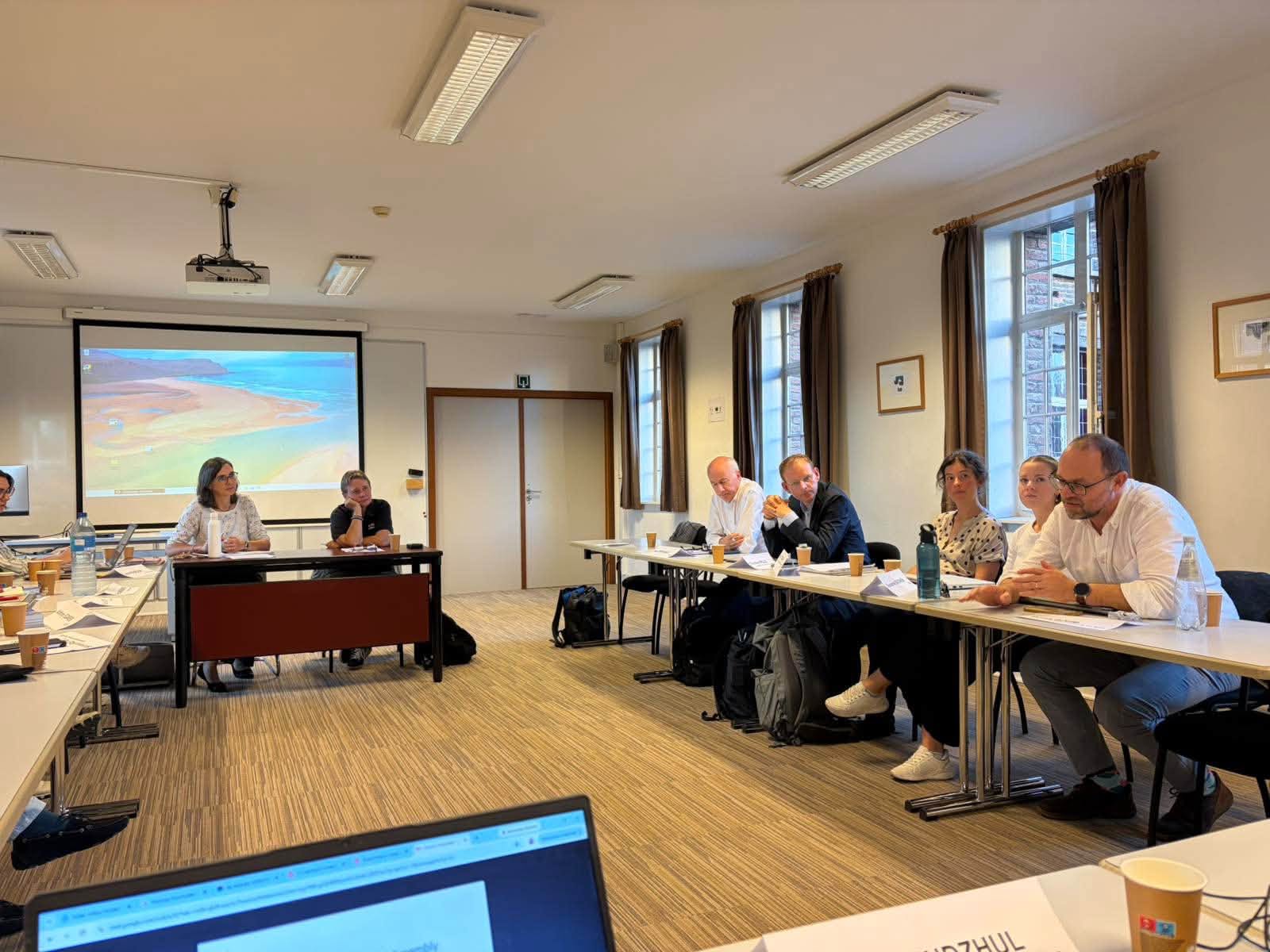
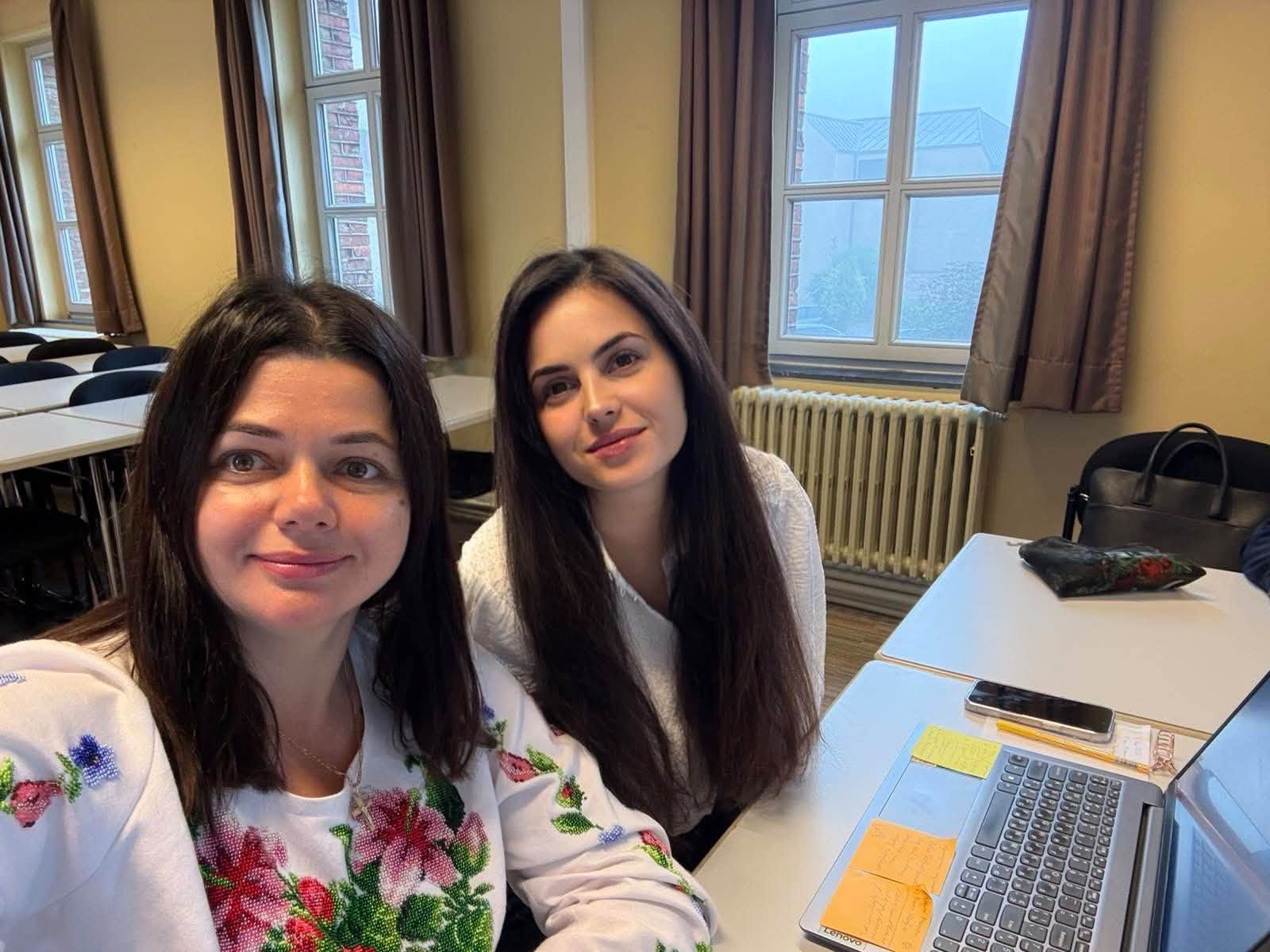
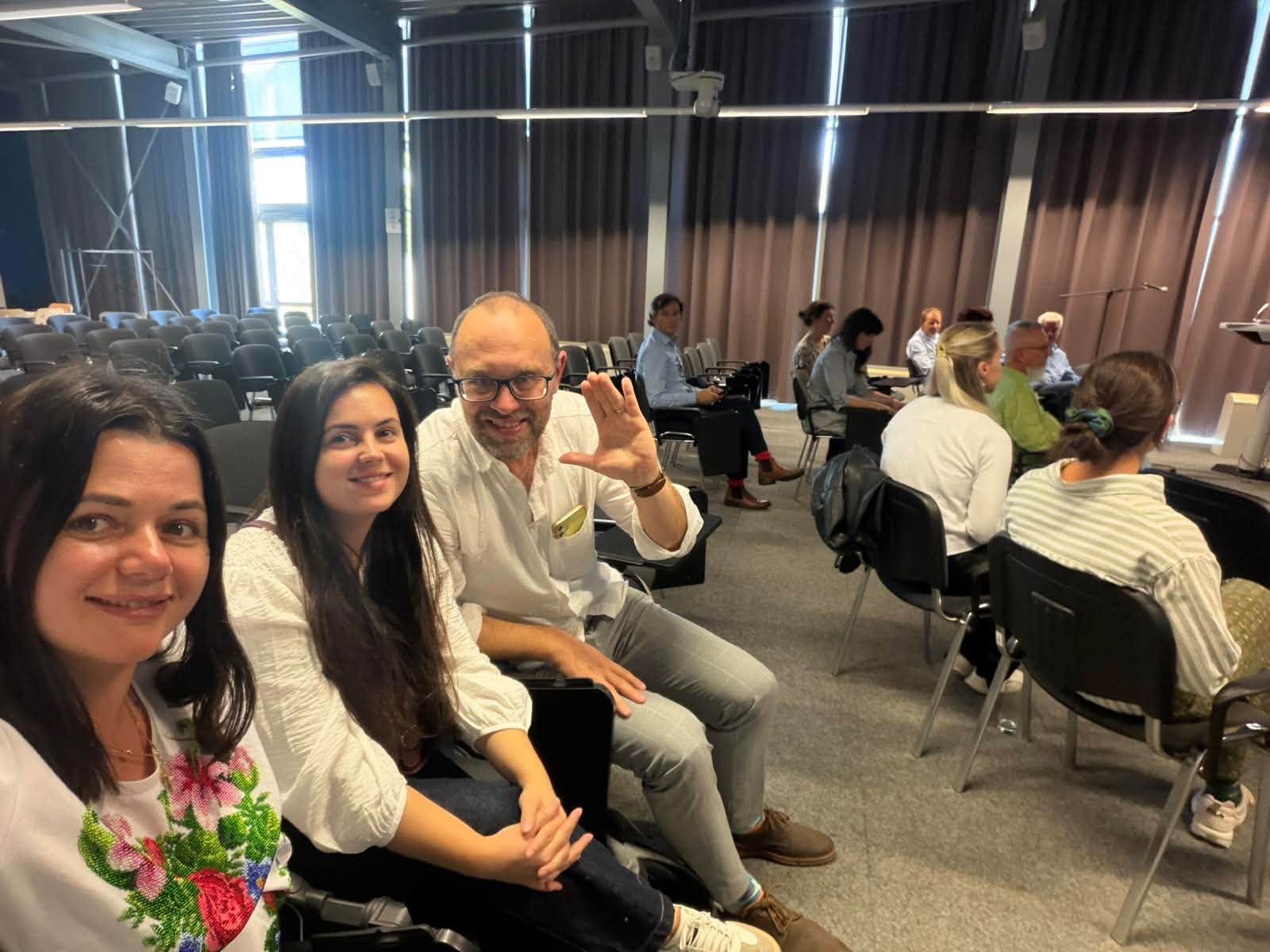
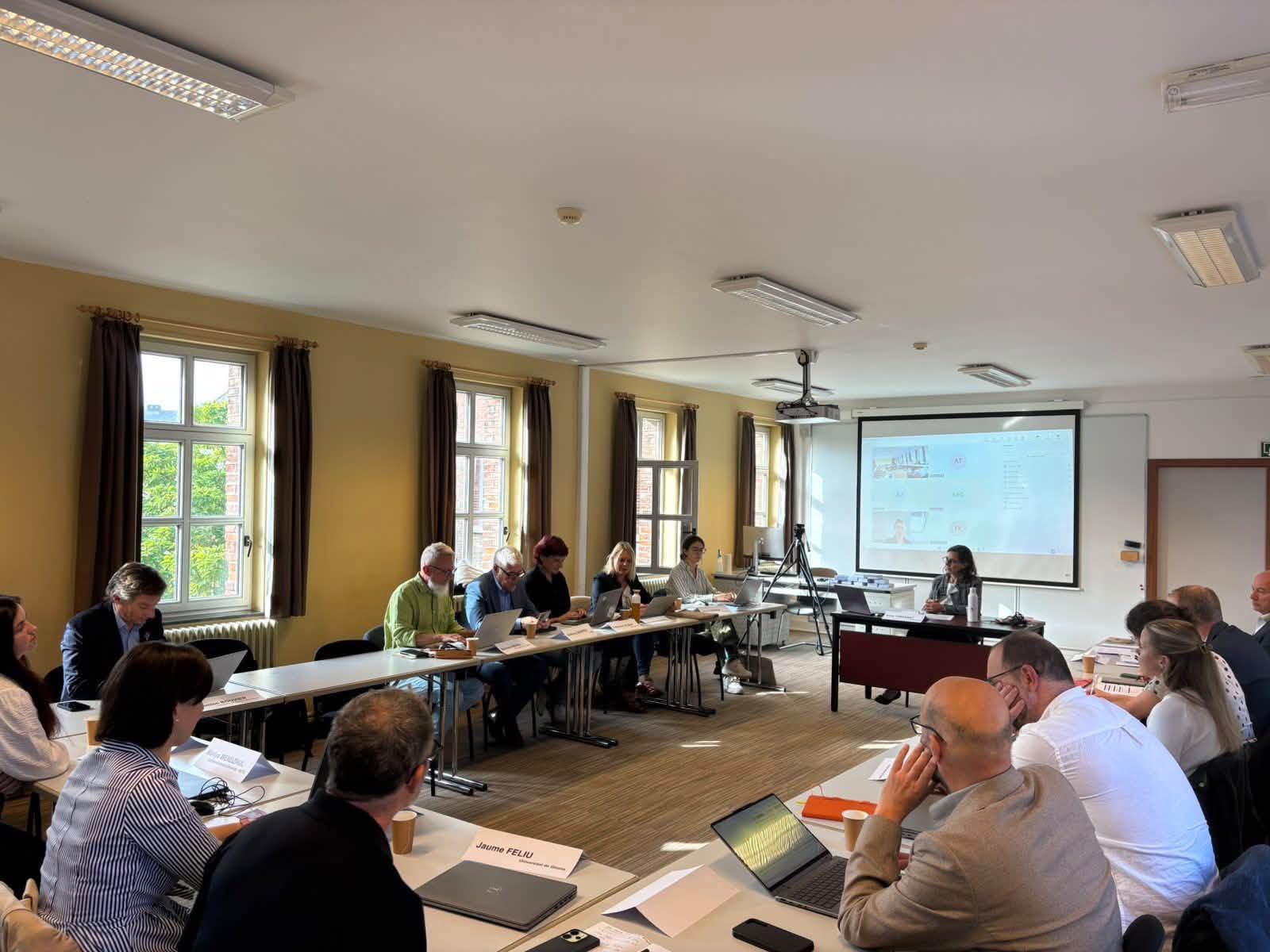
As part of a working visit to Belgium, Professor of the Department of Civil Law and Procedure Mariia Mendzhul and Director of the Research Institute of Fundamental and Applied Research of European Territorial Cooperation Yuliia Fetko took part in the General Assembly. The meeting was held at the Catholic University of Louvain (Les Ateliers de l’UCLouvain en Hainaut).
TEIN is a European network that brings together universities, research centres and expert institutions that study issues of borders and cross-border cooperation, train specialists and promote the exchange of experience between the border regions of Europe.
During the General Assembly, participants discussed the network's current activities and plans for its further development. In particular, they spoke about joint research and educational initiatives, international projects, opportunities for attracting funding and expanding cooperation between TEIN members. Special attention was paid to the future of the network after the completion of the Borders in Globalization 2 (BIG2) – 21st Century Borders project.

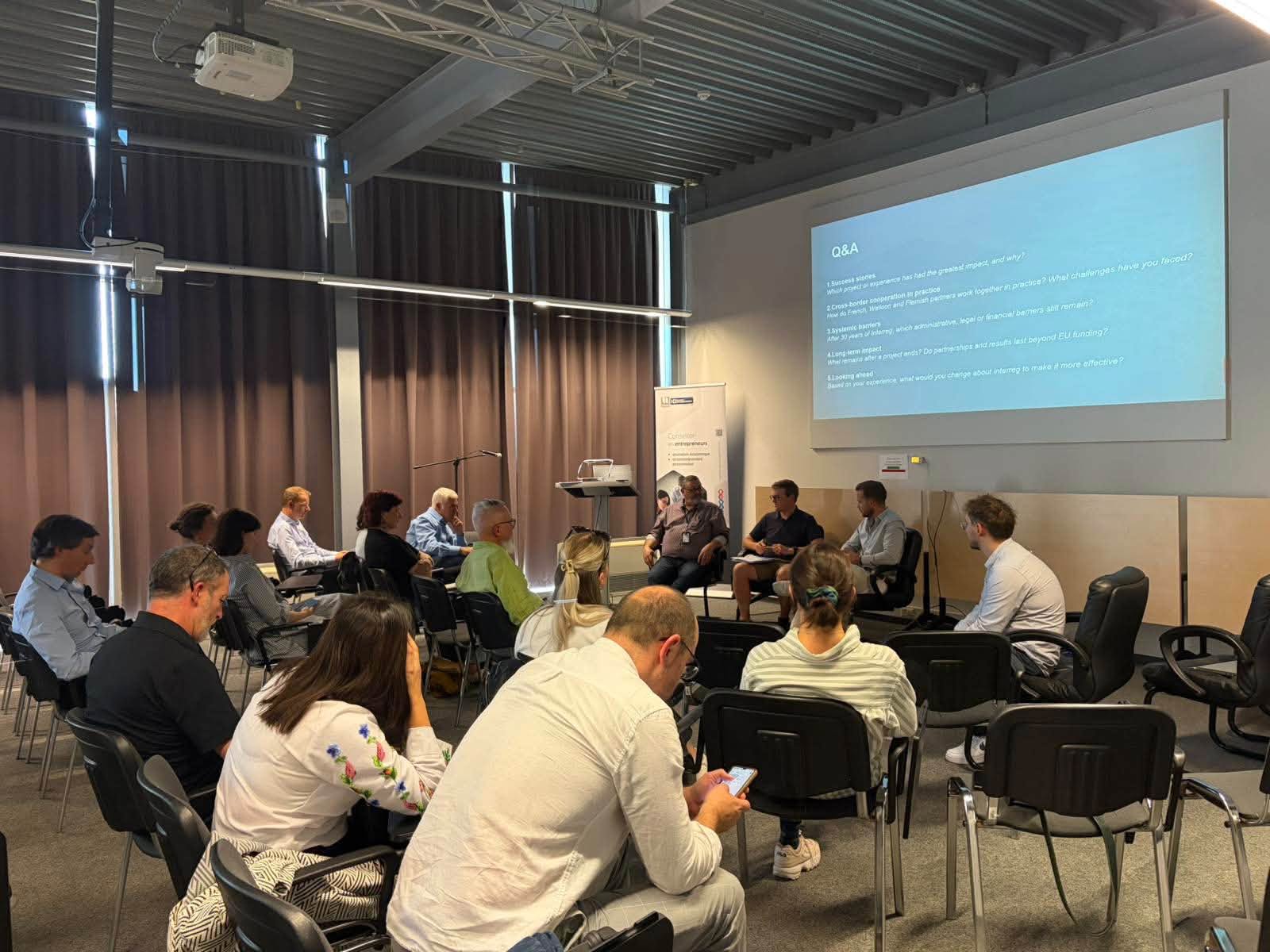
One of the key events was a strategic dialogue with Nathalie Verschelde, Head of Unit D.2 “Interreg, Cross-Border Cooperation and Internal Borders” of the Directorate-General for Regional and Urban Policy of the European Commission (DG REGIO). The meeting provided an opportunity to discuss the results of European cross-border cooperation programmes and the problems that still complicate interaction between neighbouring regions of different states.
Considerable attention was paid to how Interreg programmes influence the development of border territories in the long term, what role trust between partners plays and how to overcome legal and administrative barriers. Participants emphasised that far from all obstacles can be removed through additional funding. Difficulties are often caused by differences in legislation, administrative procedures and the powers of authorities of neighbouring states. That is precisely why, for successful cross-border cooperation, it is important to coordinate actions between the responsible institutions, seek common legal solutions and involve specialists capable of working with different legal systems.
A separate topic was the issue of evaluating the results of cross-border cooperation. Participants discussed the need to develop approaches that will make it possible to assess the success of cooperation not only by the number of implemented projects or the volume of funding. It is also important to take into account whether trust between partners is growing, whether movement and interaction across the border are becoming easier, how effectively institutions of neighbouring states cooperate and whether partnership ties are maintained after projects are completed. In this context, evaluating the practical effectiveness of legal and institutional mechanisms of cross-border cooperation is of particular importance.
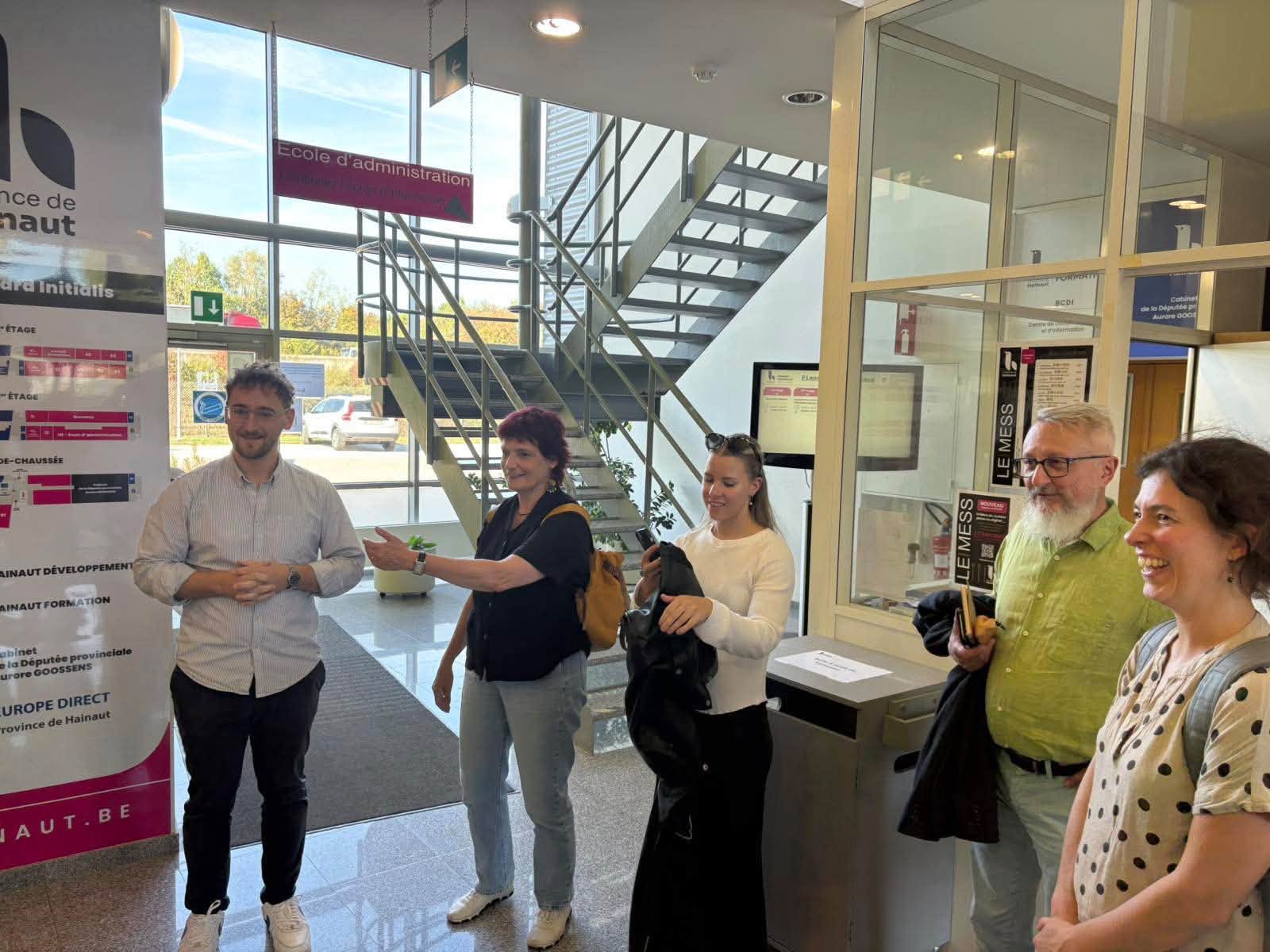
The programme of the General Assembly also included familiarisation with practical examples of cross-border projects in the region. Participants visited Hainaut Développement – the agency for economic and environmental development of the province of Hainaut (Wallonia, Belgium), whose activities are connected with the development of the region and support for local initiatives.
Participation in the TEIN General Assembly became an opportunity for the representatives of the Faculty of Law to join the discussion of future international initiatives, exchange experience with European colleagues and expand professional contacts. Such meetings create the prerequisites for joint research, educational projects and the further participation of Uzhhorod University in European academic and expert initiatives.


