
Scholars of Uzhhorod University opened the world of modern science to school students

On the occasion of the World Science Day for Peace and Development, which is celebrated annually on 10 November, research and academic staff of Uzhhorod University visited KARPATY International School to introduce school students to the world of modern scientific research, discoveries and innovations. This modern educational space in Zakarpattia combines international education standards with a deep focus on natural sciences, technology and a practical research approach.
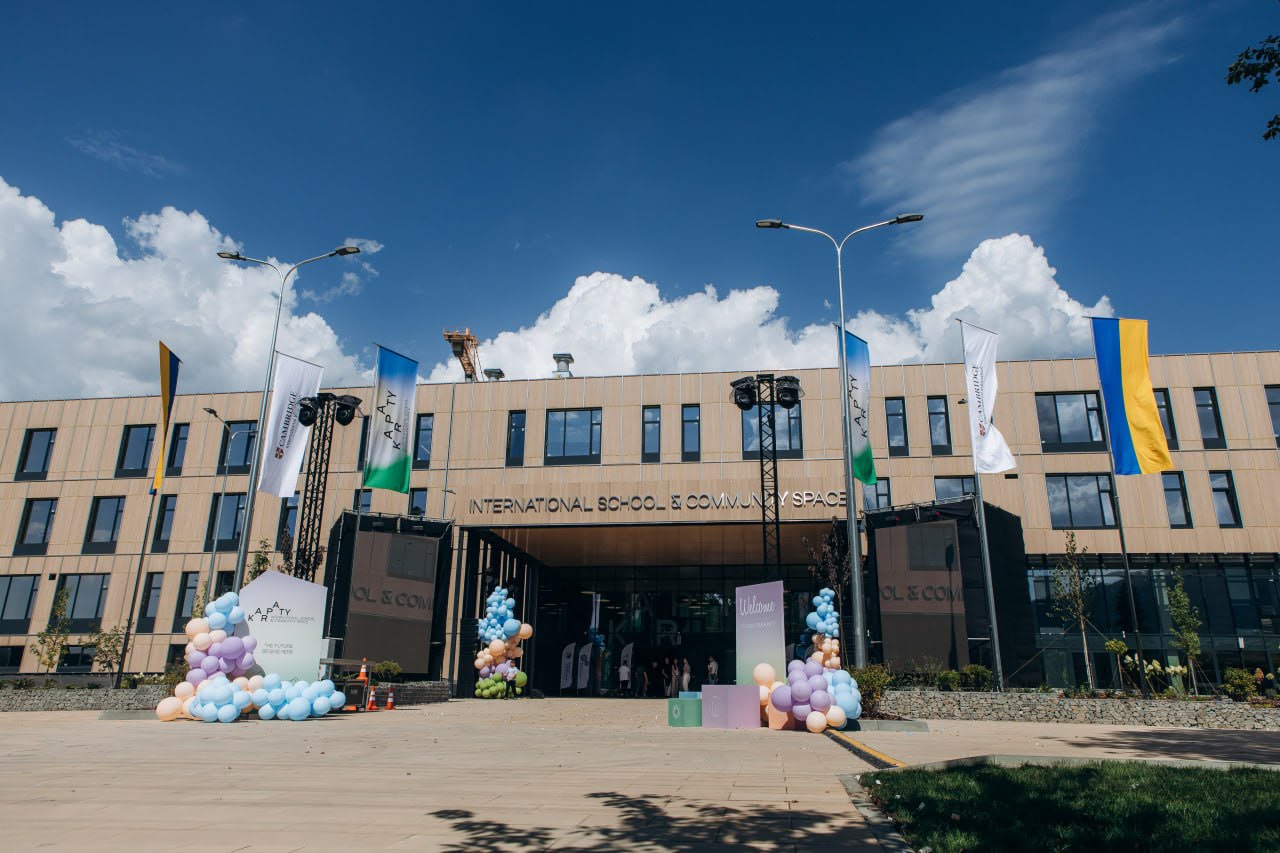
On 10-11 November, within the framework of the scientific and educational event "Outstanding Science of Our Region: From the Earth to the Universe", students had a unique opportunity to communicate with scholars who create new materials and technologies every day, develop innovative products and seek answers to current challenges of our time.
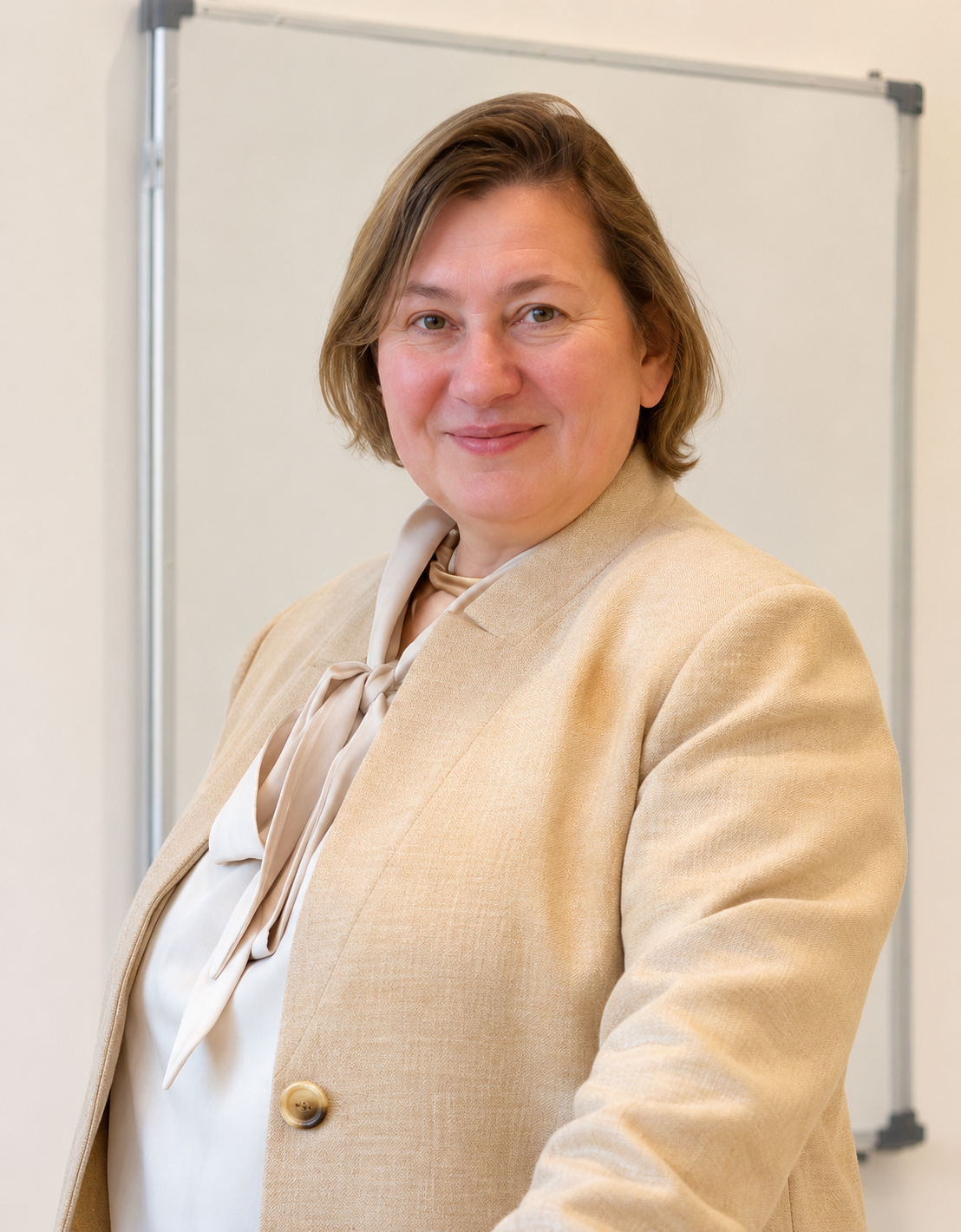
The initiator and organiser of the event was Nadiia Boiko, Doctor of Biological Sciences, Professor, Head of the Department of Medical and Biological Disciplines of Uzhhorod University. Her initiative united representatives of various scientific fields around a common goal - to popularise science among young people, to demonstrate the scientific potential of Zakarpattia and to inspire school students to their own research and discoveries. The meetings took place in the format of live communication, interactive lectures, practical classes and demonstrations.
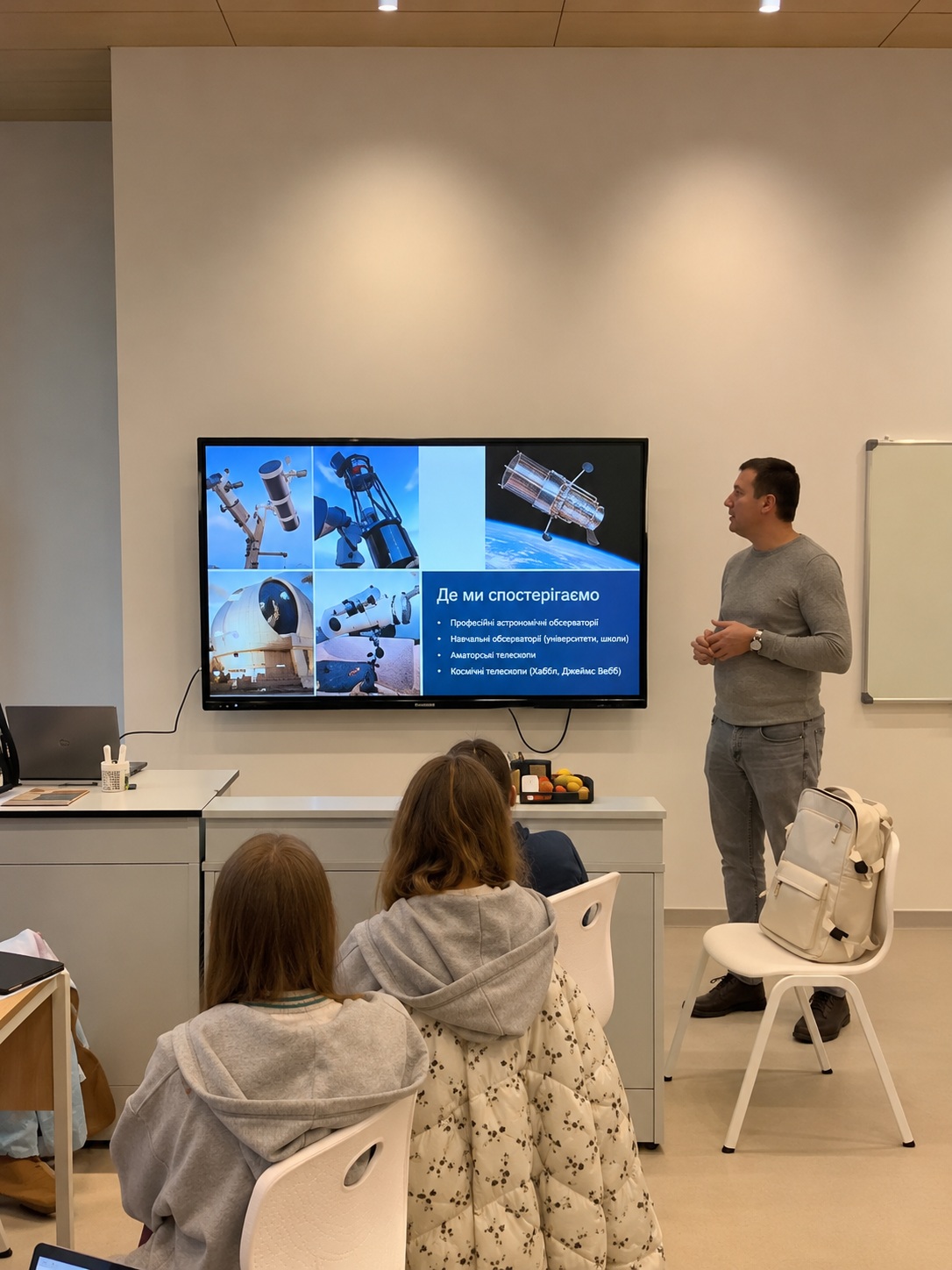
How is the Universe researched and is it possible to create one's own observatory? This was discussed with 6th-grade students by Viktor Kudak, Doctor of Philosophy, Senior Researcher of the Research Department, Scientific Supervisor of the Motria Bratiiichuk Educational and Scientific Laboratory of Space Research of UzhNU.
During the presentation "Astronomy That Is Next to Us. Directions of Research", the school students learned about modern astronomy, types of observatories and the equipment necessary for observing celestial objects. The discussion of the possibility of creating their own school observatory aroused particular interest. The scholar also presented research on artificial Earth satellites and near-Earth space carried out in the university laboratory. Following the meeting, the students and teachers expressed a desire to visit the space research laboratory of UzhNU.
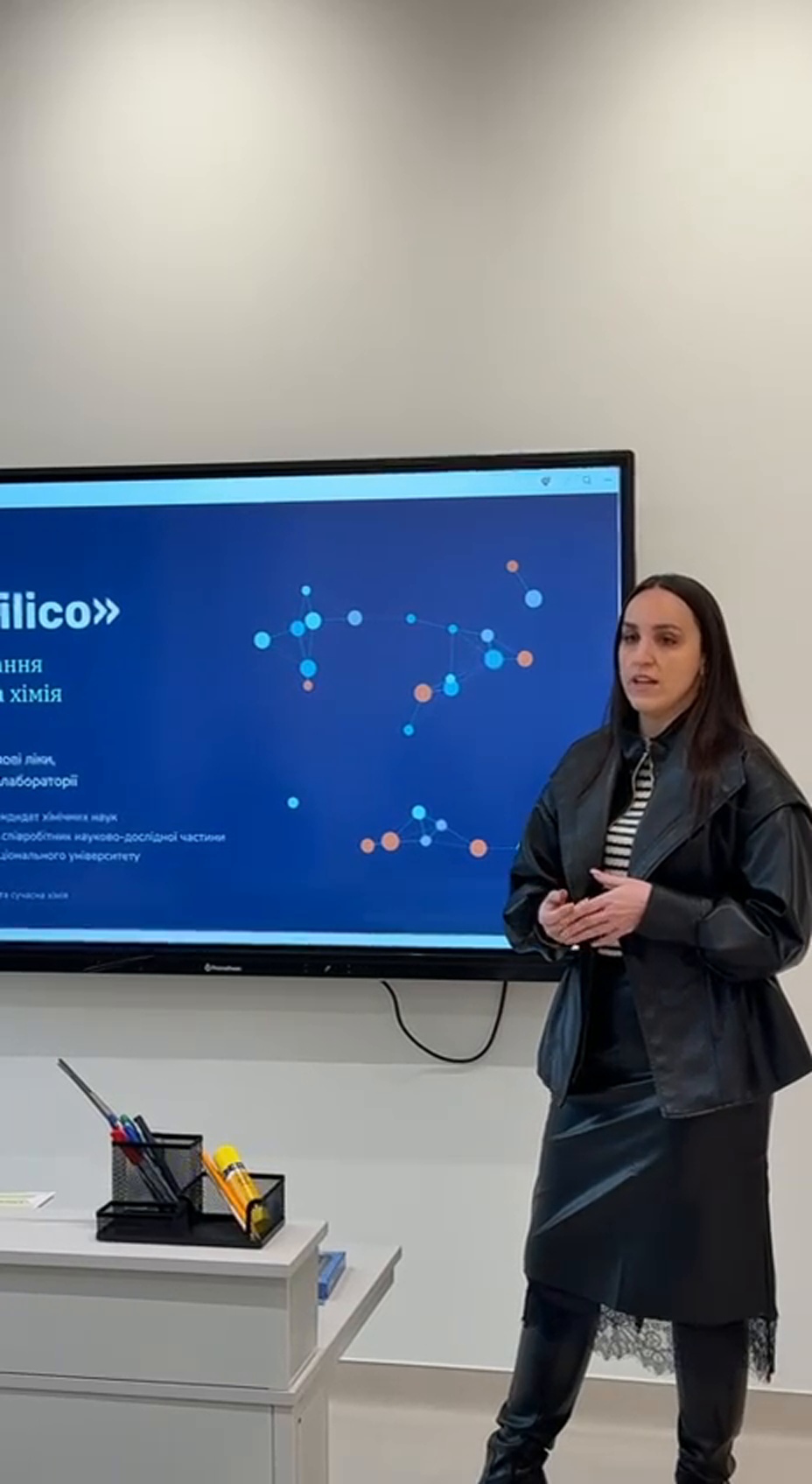
Is it possible to create new medicines with the help of a computer? The answer to this question was sought by 7th-grade students together with Nataliia Korol, Candidate of Chemical Sciences, Senior Researcher of the Research Department of UzhNU. During the popular science presentation "In silico: Modelling and Modern Chemistry", the school students became acquainted with molecular modelling, learned what molecular docking is and how computer calculations help scientists find promising medicinal substances. The researcher presented her own scientific work related to the search for compounds against antibiotic-resistant bacteria, antioxidants for the treatment of pneumonia and materials for flexible solar panels. The students also saw open databases of molecules and proteins available to anyone interested.
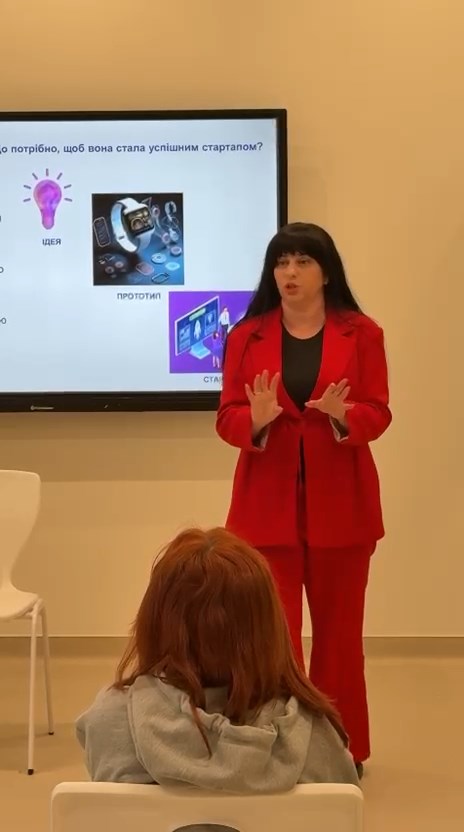
How to turn an interesting idea into a successful startup and why is it important to protect one's own inventions? The meeting with Kateryna Skubenych, Candidate of Physical and Mathematical Sciences, Head of the Research Department of UzhNU, lecturer of the Department of Mechanical Engineering Technology, was devoted to these questions. The school students became acquainted with the main stages of creating a startup - from forming an idea and developing a prototype to finding consumers and entering the market. Particular attention was paid to intellectual property, inventions, utility models and their patenting. Using the examples of scientific developments of Uzhhorod University, the students saw how research results can be transformed into innovative products, and also learned about opportunities for young people to participate in startup competitions and hackathons.
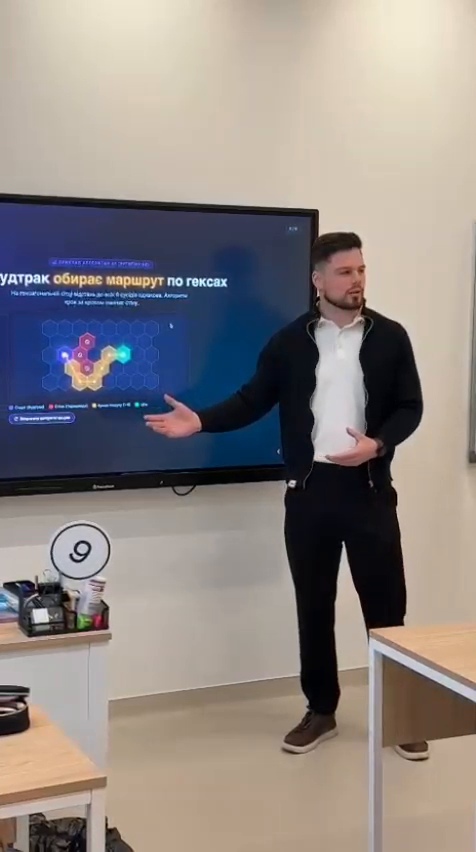
How do mathematics and programming help create computer games? This was demonstrated by Viktor Dulo, Doctor of Philosophy in Computer Science, Head of the Laboratory of the Department of Computer Systems and Networks of UzhNU.
Using the example of the mobile tactical strategy Wheels & Meals, developed by the Arodvite studio, 8th–9th-grade students learned about modern game development tools, in particular Unity, C#, Node.js and Git, as well as about the use of algorithms for finding the shortest path on a hexagonal grid. The most interesting part of the meeting was the practical testing of the game prototype on smartphones. The school students were able to try themselves in the role of real game designers and testers and to feel how digital products are created.
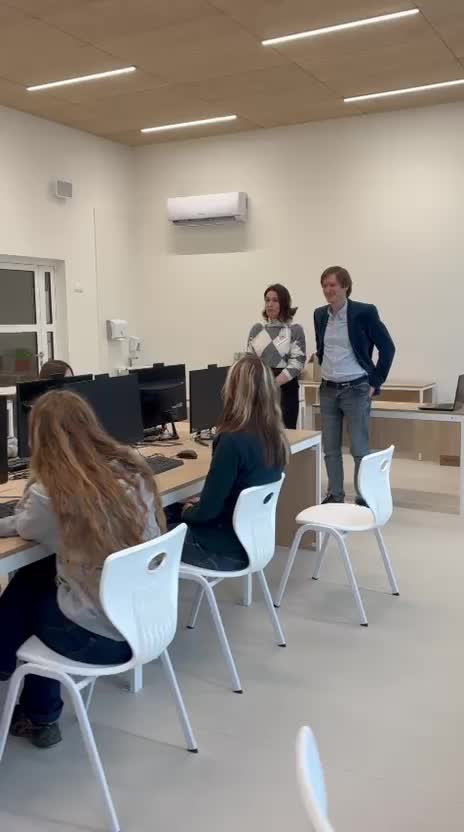
Oleksandr Levchuk, Candidate of Technical Sciences, Associate Professor, Head of the Department of Information Control Systems and Technologies of UzhNU, told the students about the possibilities of modern robotics and its connection with STEM education.
The school students became acquainted with the experience of holding robotics competitions at the Faculty of Information Technologies, as well as with the opportunities for studying in the field of computer science. During the master class, the students actively engaged in programming robots, and the culmination of the meeting was a competition during which the children independently controlled robotic devices.
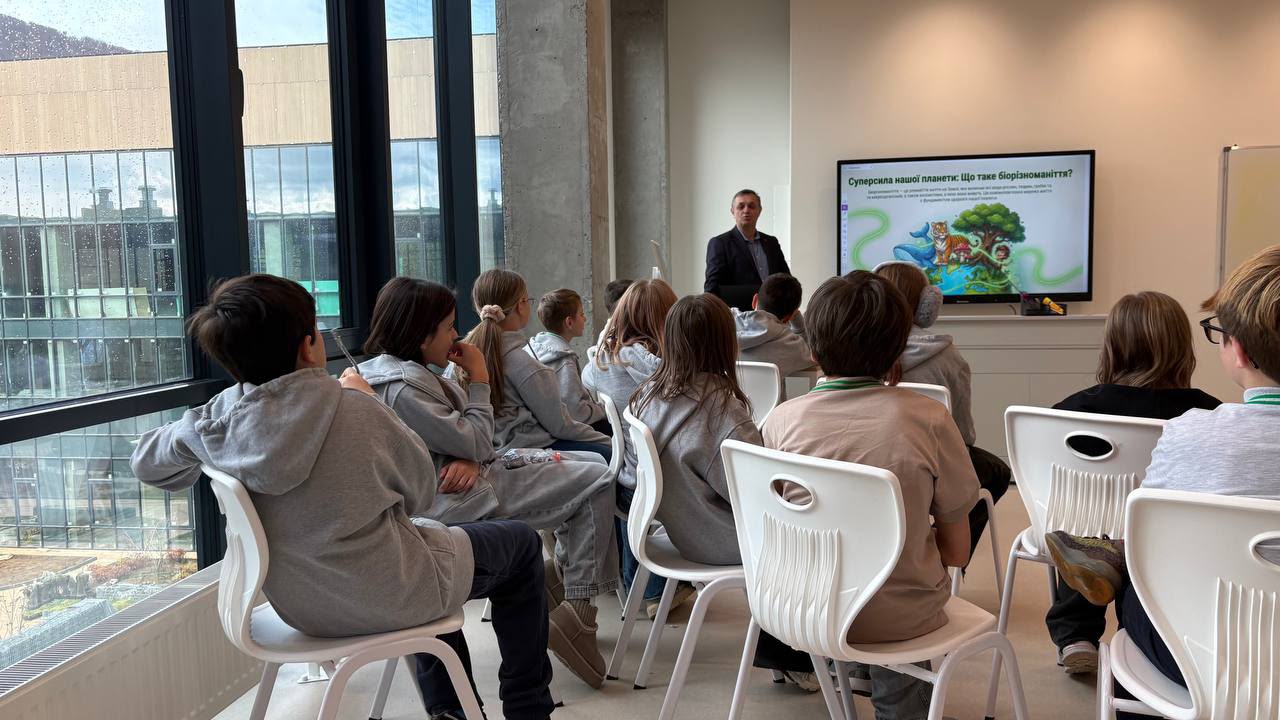
Why is the preservation of biodiversity important for each of us? The answers to this question were sought together with fifth-graders by Vladyslav Mirutenko, Candidate of Biological Sciences, Associate Professor, Head of the Department of Entomology and Biodiversity Conservation of UzhNU.
During the interactive lesson "What Is Biodiversity. Why Must It Be Preserved?", the school students discussed the diversity of living organisms, their role in natural ecosystems and the threats that arise as a result of human activity. The children actively discussed, gave their own examples and, together with the scholar, came to the conclusion that the preservation of nature is the shared responsibility of everyone.
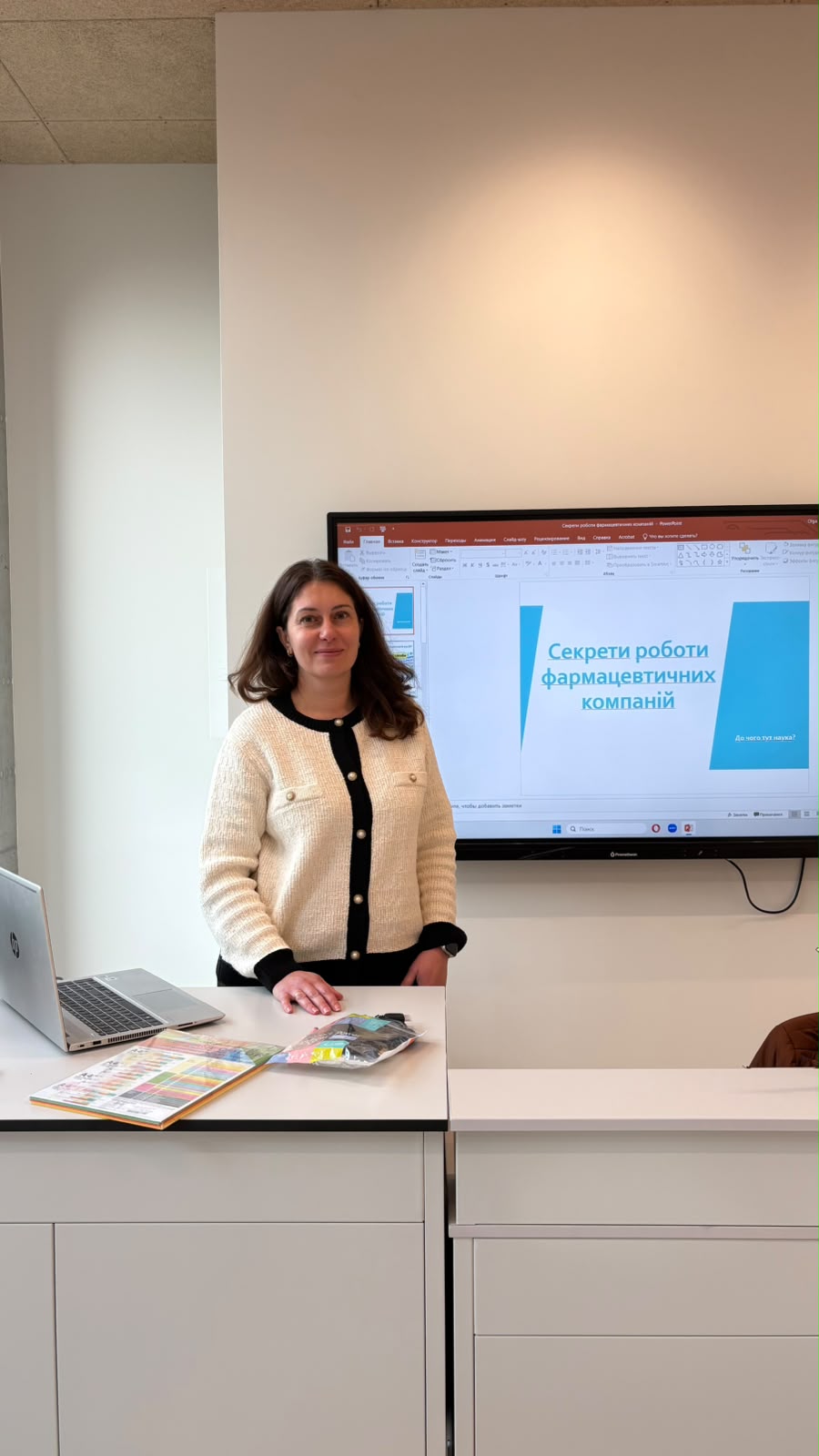
What lies behind the creation of medicinal products and how do pharmaceutical companies work? The students learned about this during a meeting with Olha Kryvanych, Candidate of Pharmaceutical Sciences, Associate Professor of the Department of Pharmaceutical Disciplines of UzhNU.
The lesson devoted to the secrets of the work of pharmaceutical companies took place in the format of an open dialogue. The school students asked questions, expressed their own opinions and discussed the role of science in the creation of modern medicinal products. The meeting provided an opportunity to look at pharmacy not only as a professional activity, but also as a promising direction of scientific research.
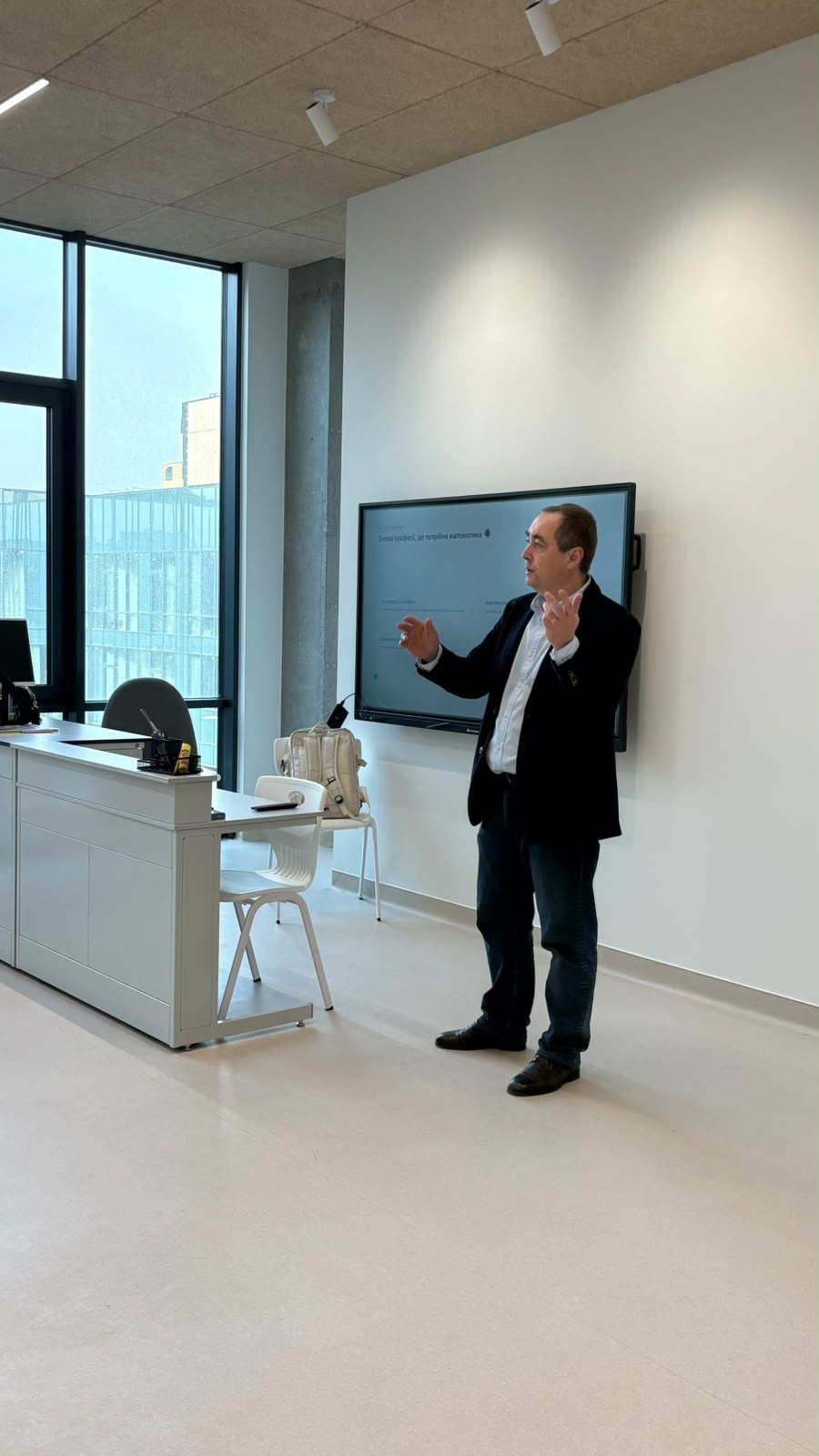
How does mathematics help create innovations and develop business? The meeting with Oleksandr Reitii, Candidate of Physical and Mathematical Sciences, Associate Professor, Head of the Department of Algebra and Differential Equations of UzhNU, was devoted to this topic. The focus was on the practical application of mathematical knowledge for solving modern tasks, developing innovative solutions and developing entrepreneurship.
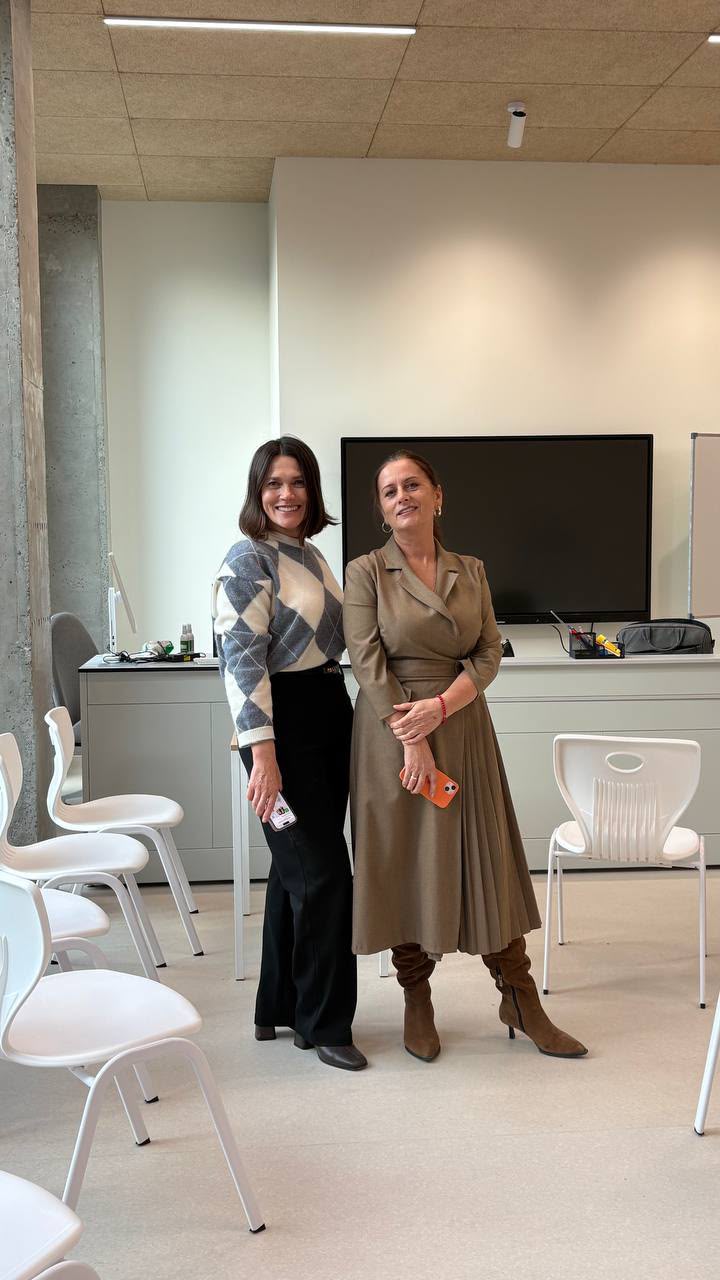
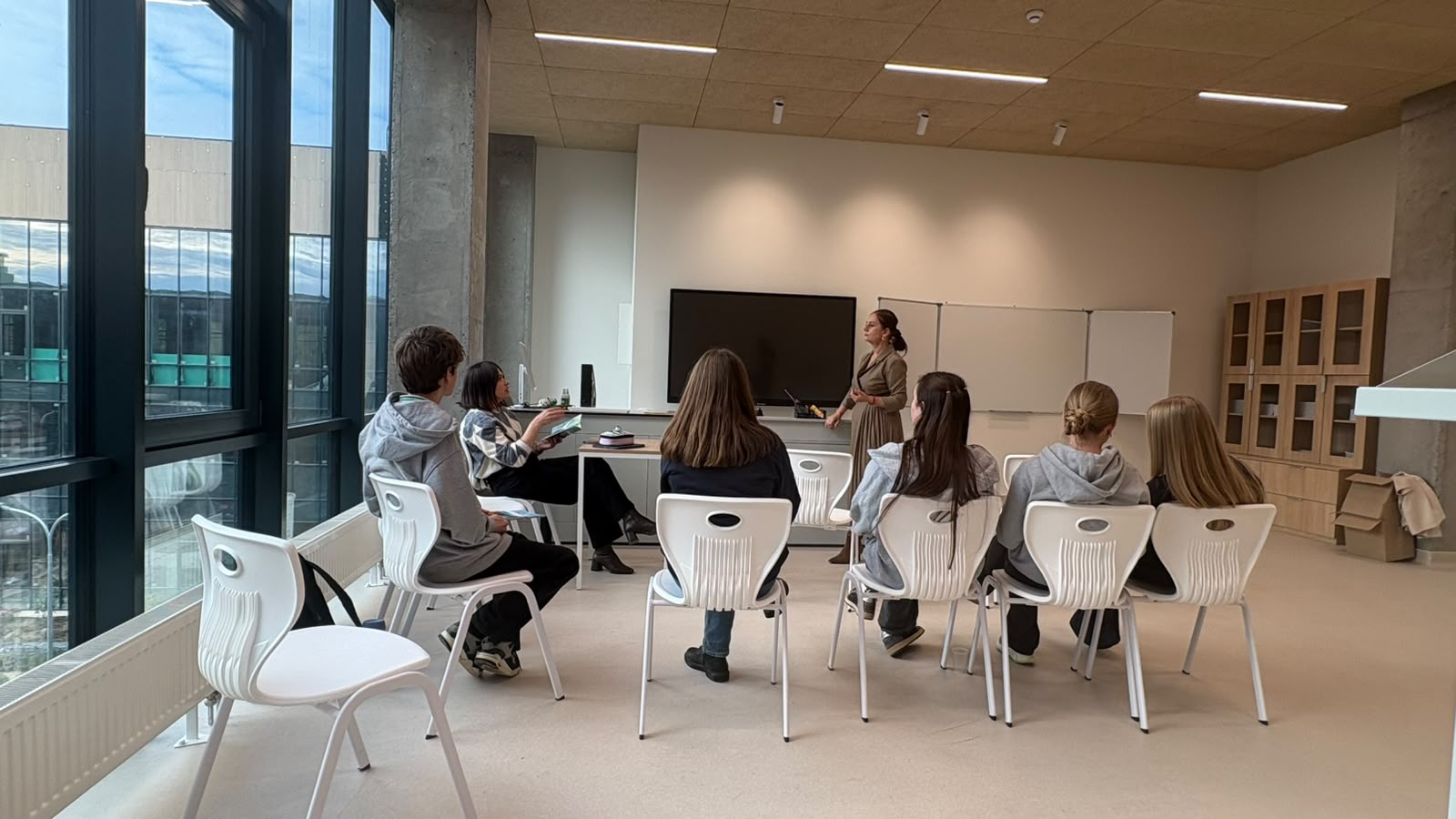
Why are mosses called natural indicators of the state of the environment and what role do they play in preserving the ecosystems of the Carpathians? These questions became the basis of the topic presented by Liubov Felbaba-Klushyna, Doctor of Biological Sciences, Professor, Head of the Department of Botany of UzhNU. Particular attention was paid to the biodiversity of the Carpathian region, the importance of bryophytes in natural ecosystems, the possibilities of their use for bioindication and the importance of preserving natural resources.
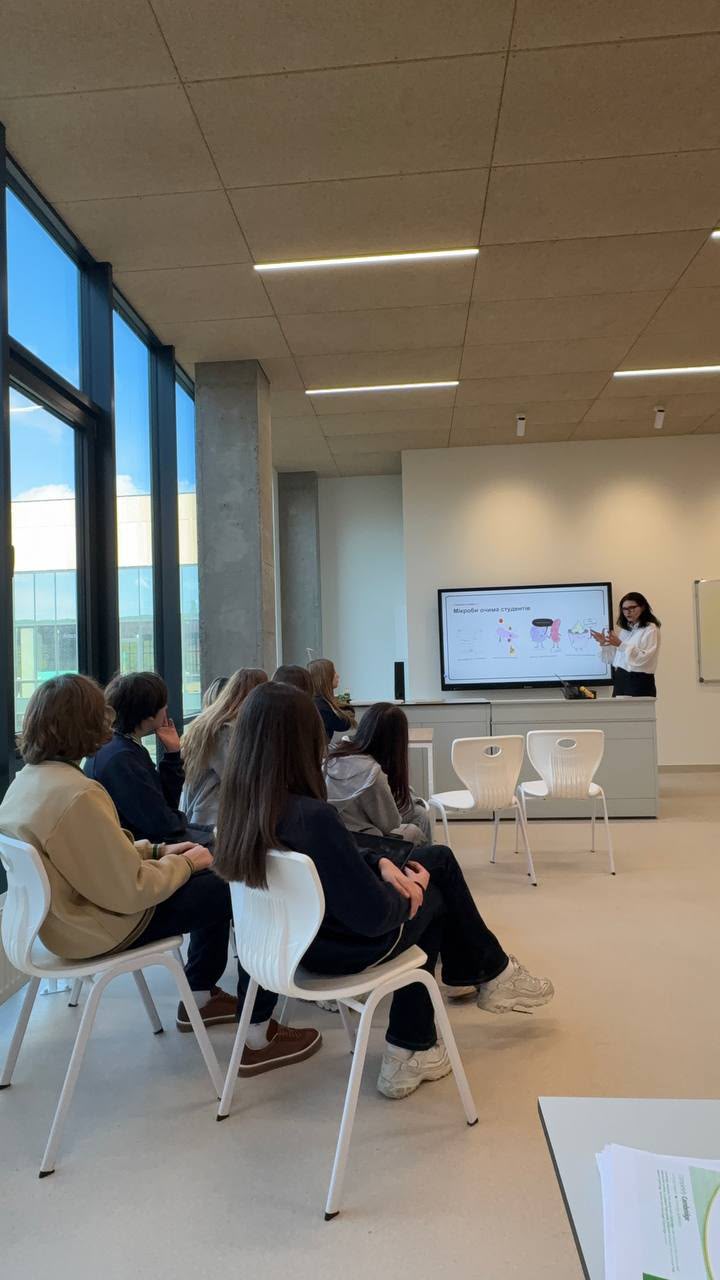
Is it necessarily required to be an excellent student at school to become a successful scholar? Svitlana Burmei, Doctor of Philosophy, Researcher of the Research Department and the Research and Training Centre for Molecular Microbiology and Immunology of Mucous Membranes of UzhNU, shared her own story of finding a professional path.
During the meeting "Young Science of Zakarpattia: From the School Desk to a State Scholarship", the researcher spoke about her own path into science, the difficulties, achievements and the importance of teamwork. The students learned what the microbiome is, how beneficial bacteria protect the human body and how the results of laboratory research can be transformed into practical products. The main message of the meeting was the idea that success in science depends not only on knowledge, but also on perseverance, mutual support and the ability to work together.
The meetings of scholars of Uzhhorod University with school students became an excellent opportunity to demonstrate that modern science is not only textbooks, formulas and complex laboratory research. It is, above all, curiosity, creativity, the search for answers to important questions and the aspiration to change the world for the better.
At the school, where the educational process is built around interdisciplinarity, project work and practical understanding of the world, such meetings with Ukrainian scholar-practitioners became a natural continuation of the curriculum and enabled the children to see how school knowledge works in real laboratories and innovative projects.
The particular value of such events lies in the opportunity for direct communication between students and researchers who work on current scientific problems and create new technologies. For KARPATY International School, which is forming an open educational space in Zakarpattia and developing a culture of research from an early age, cooperation with Uzhhorod University opens up new opportunities. It is precisely such meetings that help young people see prospects for professional development, become interested in STEM fields and take the first steps towards their own discoveries.
Kateryna Skubenych
Research Department


