Integration of modern nutrition science into healthcare: UzhU scholars took part in an Erasmus+ training event in Ireland

Uzhhorod University continues its active international cooperation within the transnational project of the EU Erasmus+ programme “Teaching the Fundamentals of Healthy Nutrition in the Training of Healthcare Professionals” (No. 2024-1-IE02-KA220-HED-000244217).
The initiative brings together leading higher education institutions of Europe: the coordinator and main applicant is Atlantic Technological University (Ireland), and the partners are the University of Gävle (Sweden), the University of Angers (France), the University of Oradea (Romania) and Uzhhorod University (Ukraine). The project coordinator from UzhNU is Nadiia Boiko, Doctor of Biological Sciences, Professor, Head of the Department of Medical and Biological Sciences.
The main goal of the international partnership is to develop and provide educators in the field of healthcare and social security (nursing, pharmacy, physical therapy, medicine) with unified, competence-oriented tools for integrating basic nutrition education into university educational programmes.
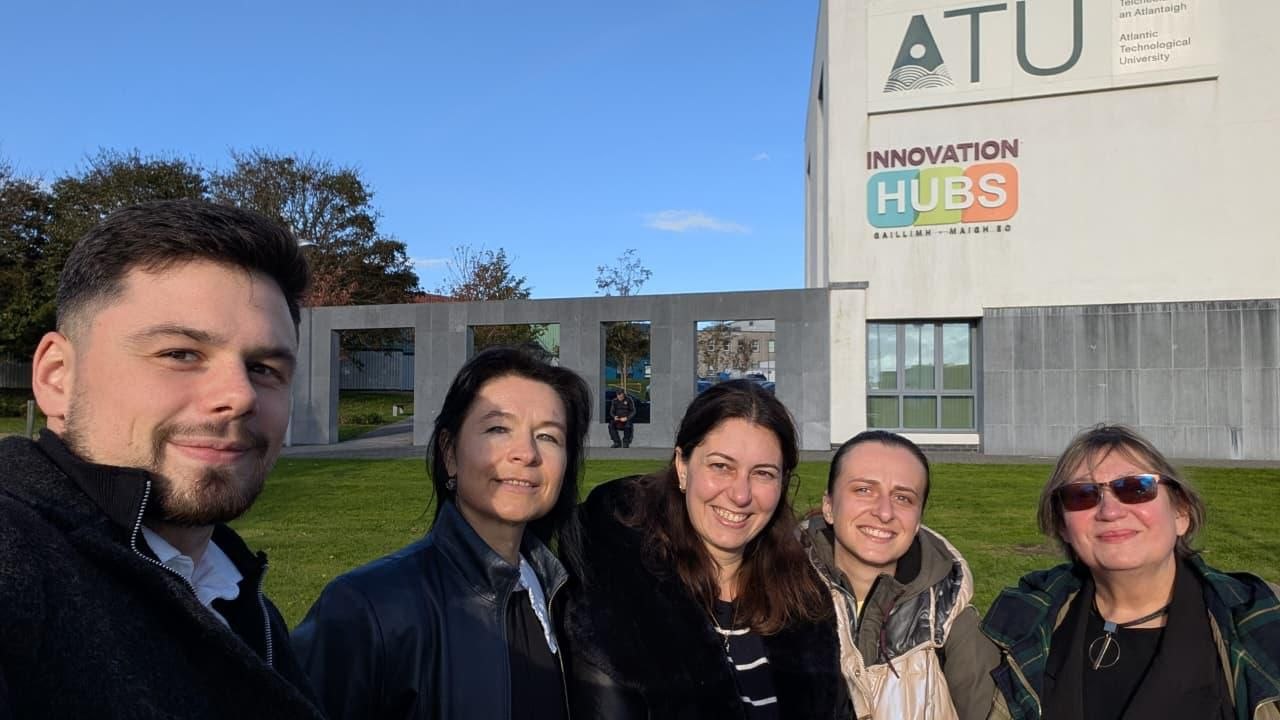
On 20–22 October, at Atlantic Technological University in the city of Galway (Ireland), the next stage of the project took place – a Learning Teaching Training Activity (LTTA). Uzhhorod University was represented by a delegation of scholars consisting of:
- Nadiia Boiko — Doctor of Biological Sciences, Professor;
- Yevhen Kostenko — Doctor of Medical Sciences, Professor;
- Olena Dulo — Doctor of Biological Sciences, Associate Professor;
- Oleksandra Pallah — Candidate of Biological Sciences, Associate Professor;
- Olha Kryvanych — Candidate of Pharmaceutical Sciences, Associate Professor;
- Viktor Dulo — Doctor of Philosophy in Computer Sciences.
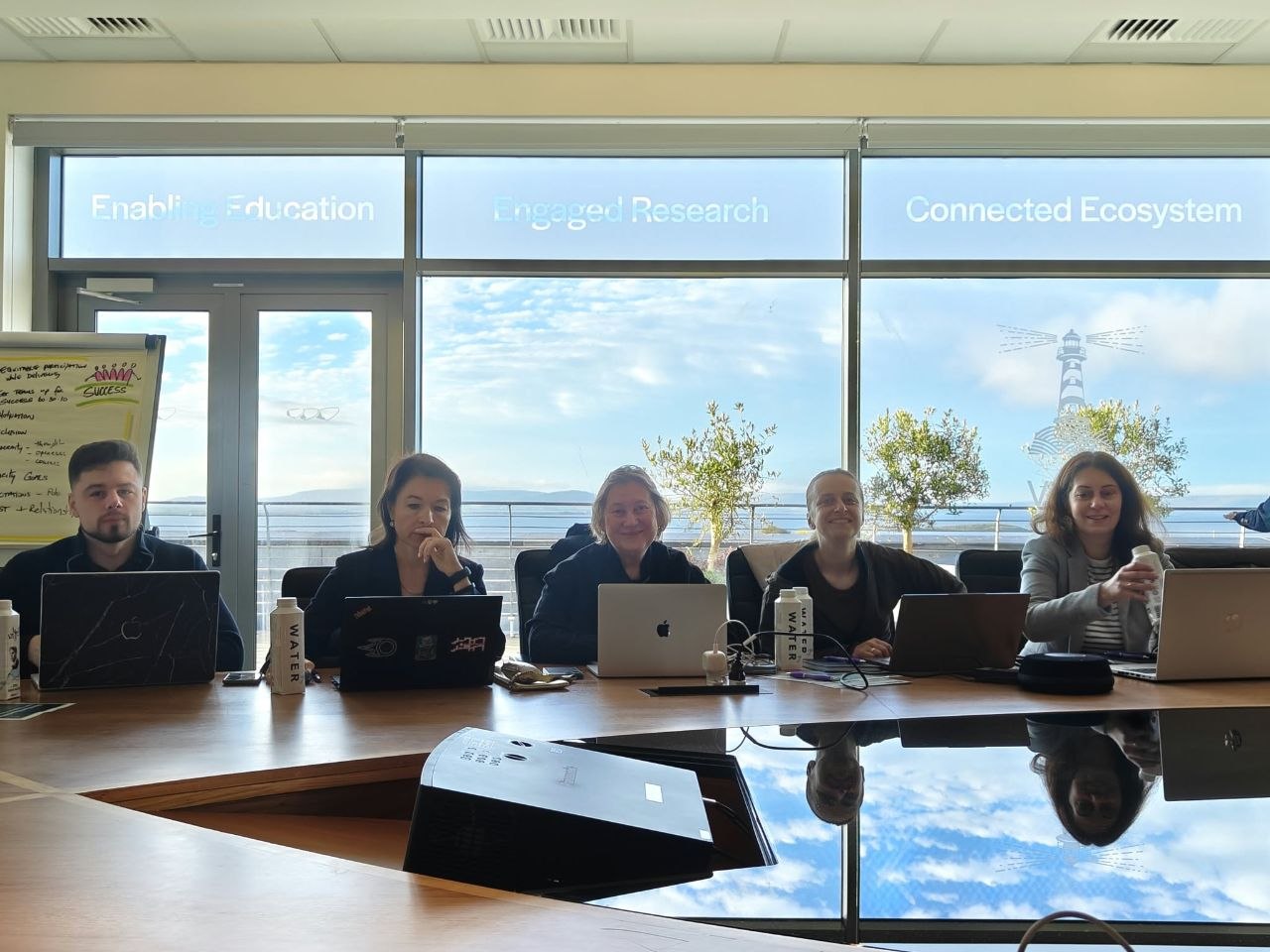
The event was opened by Rachel Moloney (Atlantic Technological University), head of the project coordination team. She emphasised a systemic problem of medical education: the lack of structured clinical training in nutrition science. A comprehensive analysis of curricula in five countries showed that the teaching of nutrition topics is often fragmentary and dispersed among fundamental biomedical disciplines. The results of focus groups also demonstrated a lack of confidence among future clinicians regarding the practical application of dietary recommendations and the timely referral of patients to registered dietitians.
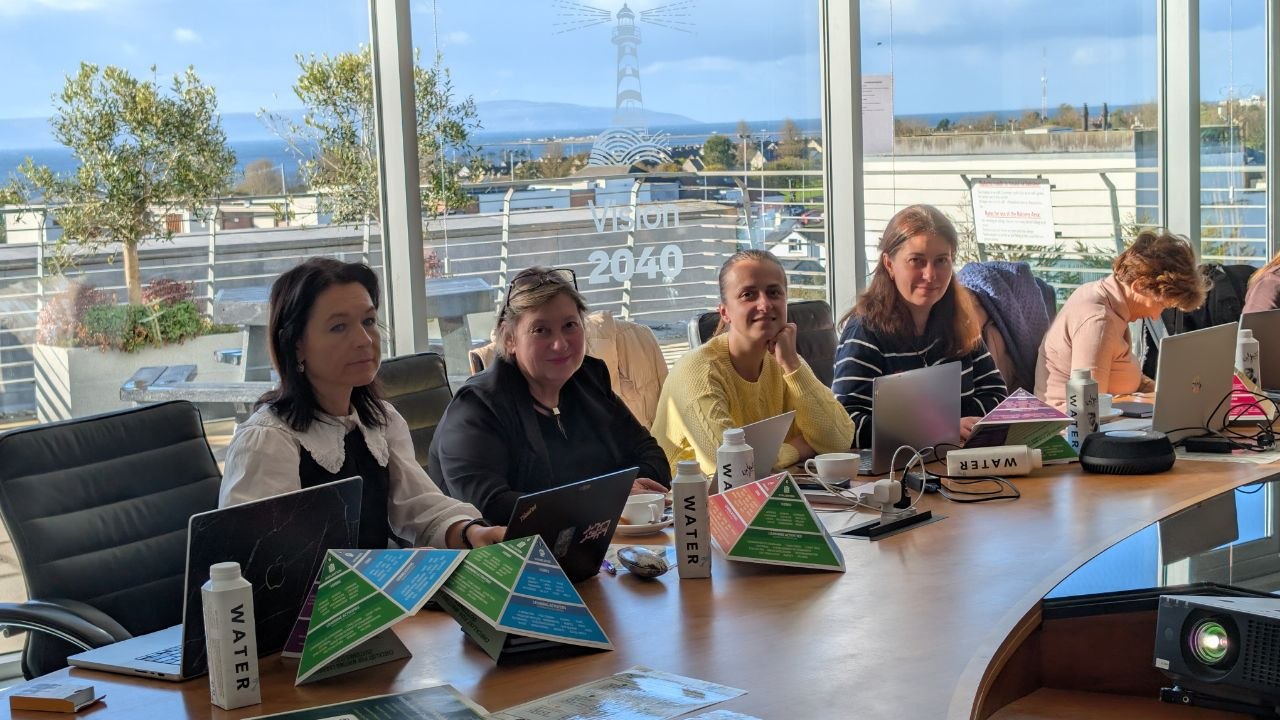
To overcome these challenges, the consortium's expert groups presented two key outputs: a Teaching Manual for Educators (R5) and a Micro-credentials Framework (R6 and R7). These resources are intended to help universities flexibly integrate practical nutrition blocks into existing curricula or introduce standalone educational modules.
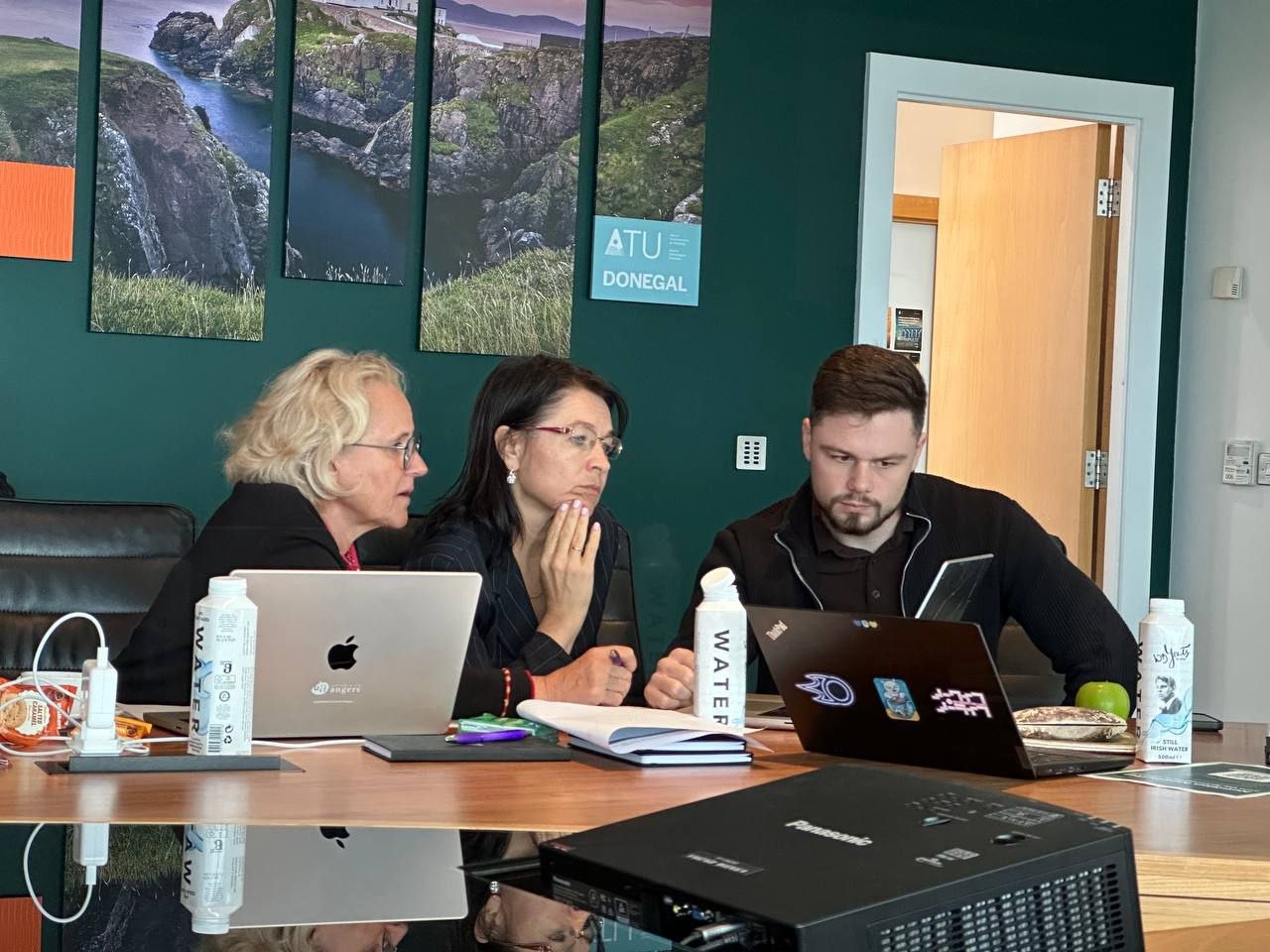
The three-day programme provided for a transition from theoretical foundations to practical design sprints and team piloting of the materials. The educators focused their main attention on three key areas:
- Competence-based assessment. Participants considered the shift in emphasis from the simple reproduction of theoretical material to the verification of clinical action according to Miller's pyramid (the “shows how” and “does” levels). Competence-based assessment is not intended to rank or compare students by grades (for example, receiving an “A” or a “B”), but rather works as a threshold criterion (“pass / fail”) that certifies that a professional has achieved a defined standard and understands the limits of their own professional competence, or whether a student has achieved the required clinical standard.
- Micro-credentials and digital badges. The experts detailed the difference between official, credit-modular micro-credentials and open digital badges, and also presented mechanisms for their recognition within higher education.
- Interactive clinical simulations. The scholars mastered the creation of H5P branching scenarios. This digital tool models real clinical cases, allowing students to independently make diagnostic and therapeutic decisions, analyse the consequences of errors and receive instant feedback in a safe educational environment.
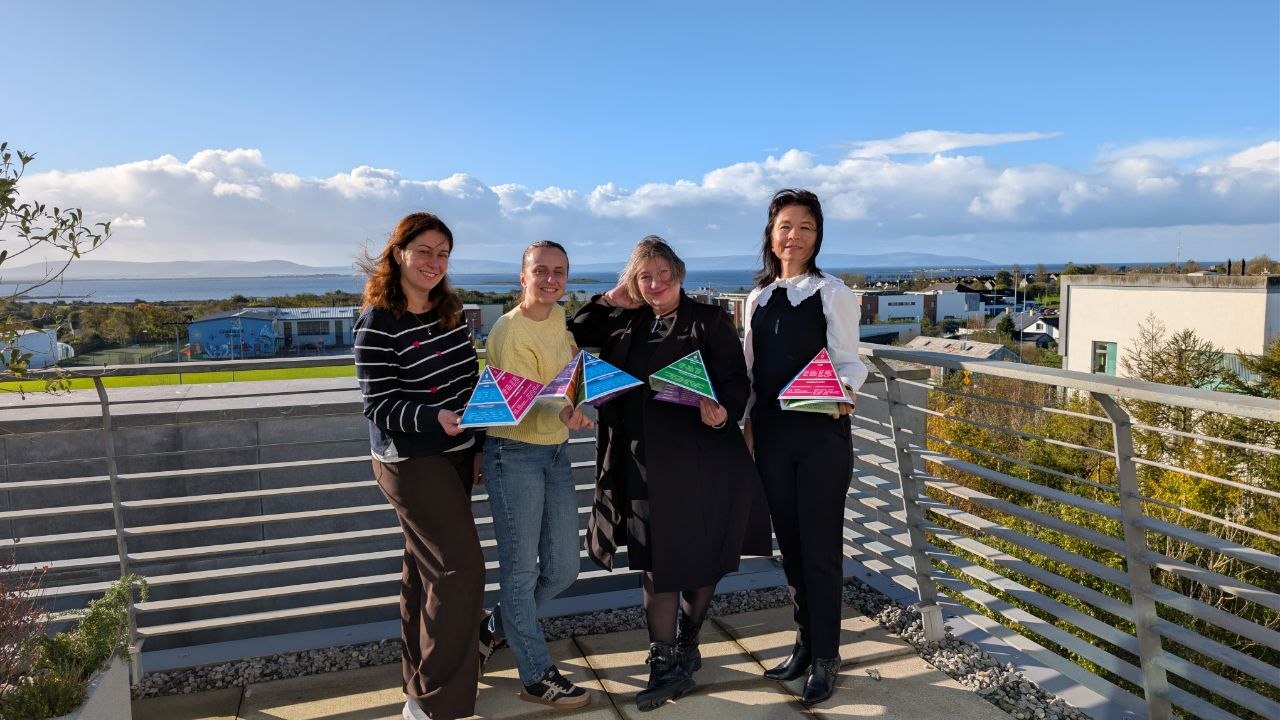
During the testing of the manual, participants gave positive feedback regarding its depth and practical value. The Ukrainian delegation made proposals for harmonising the materials with national higher education standards, as well as for further gamification of the content, the addition of practical situational cases and concise clinical algorithms (cheat sheets/memos) for convenient navigation.
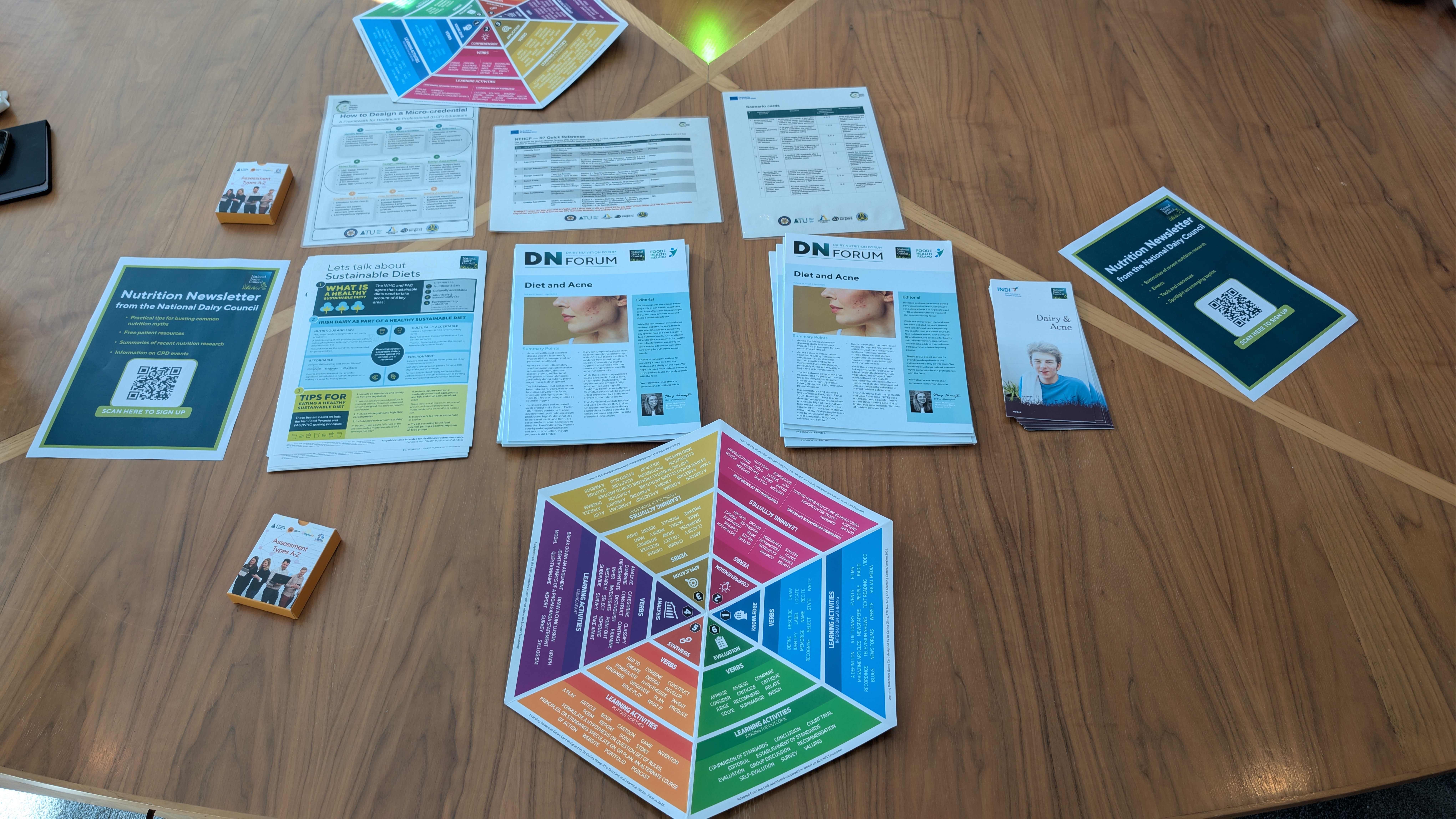
The Learning Teaching Training Activity in Galway became an important step in shaping a digitally accessible, standardised and verified model of nutrition education, which the UzhNU team continues to adapt and implement for the training of a new generation of medical and pharmaceutical professionals.
based on information from the working group of the grant project


