
Education for recovery: UzhU discussed challenges and sustainable development in times of war

Almost 14 million dollars is only the direct damage caused to Ukrainian education and science as a result of the Russian invasion of Ukraine. However, the recovery of the country is not merely reconstruction – it requires the creation of an inclusive, innovative and sustainable system. These and other important topics were discussed on 5–6 November during a two-day consortium within the framework of the international Erasmus+ programme project “Empowering Educators for a Sustainable Future: Enhancing Teacher Training Capacity for Ukraine's Recovery”.
The event brought together representatives of Uzhhorod University, Mykhailo Drahomanov Ukrainian State University, Ostroh Academy, Pereiaslav University, as well as European partners from Poland, the Czech Republic and Spain. The meeting was moderated by the Director of the Resource Centre for Sustainable Development of Uzhhorod National University, Hanna Melehanych.
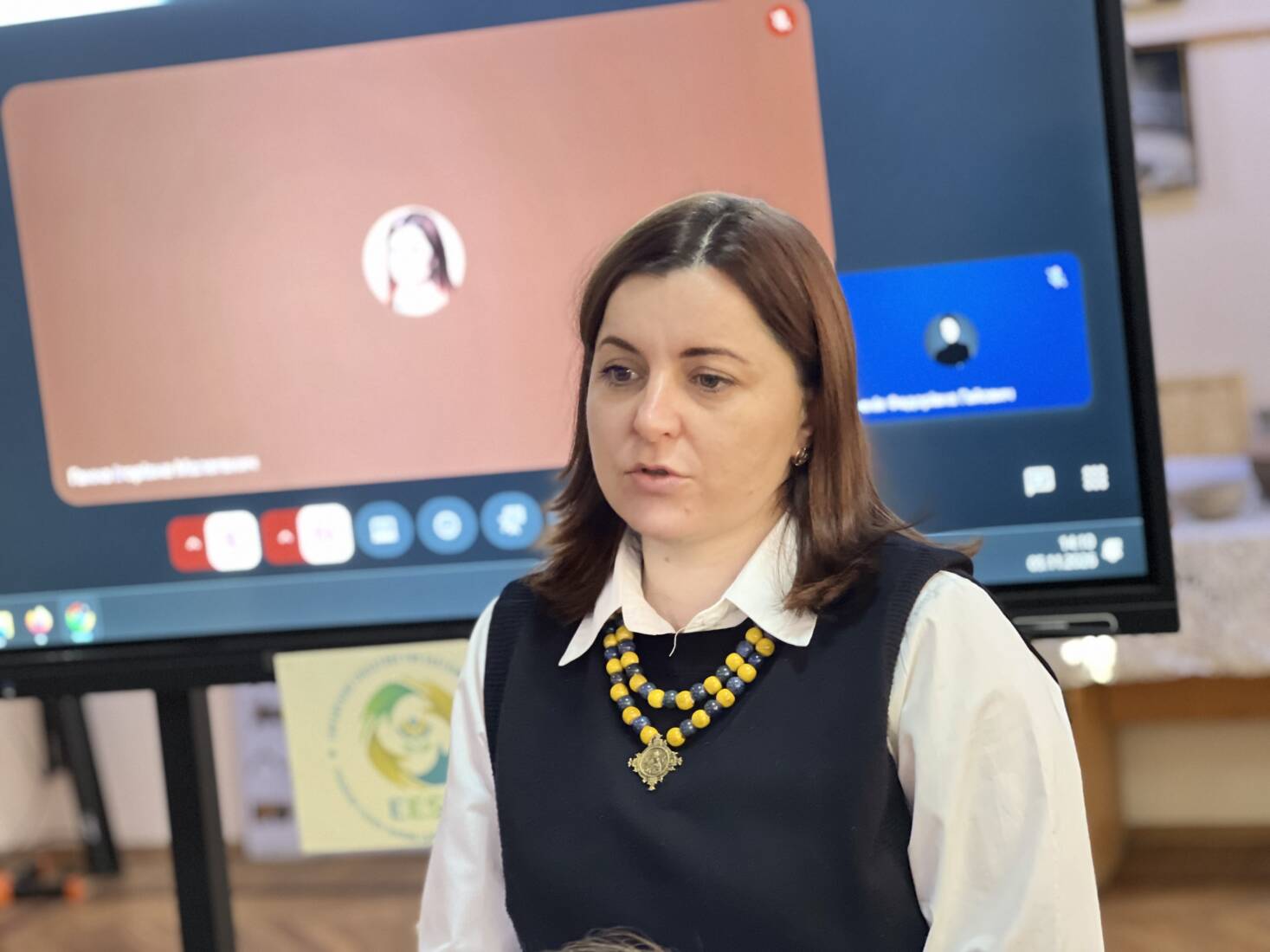
The Dean of the Faculty of History and International Relations of UzhU, Vitalii Andreiko, emphasised that sustainable development issues have long been successfully integrated into the university's educational process. “Sustainable development issues are relevant today not only from the perspective of current events, but also in view of Ukraine's European integration course. At our faculty, we have already successfully introduced the academic discipline ‘Education for Sustainable Development’, which we teach not only to history and international relations students, but also in other specialities. It is important to us that students perceive this not as an amorphous concept, but as real things around us – from volunteer initiatives to the banal sorting of batteries. We want to design these courses also for the professional development of civil servants, combining theory with practice,” notes Vitalii Andreiko.
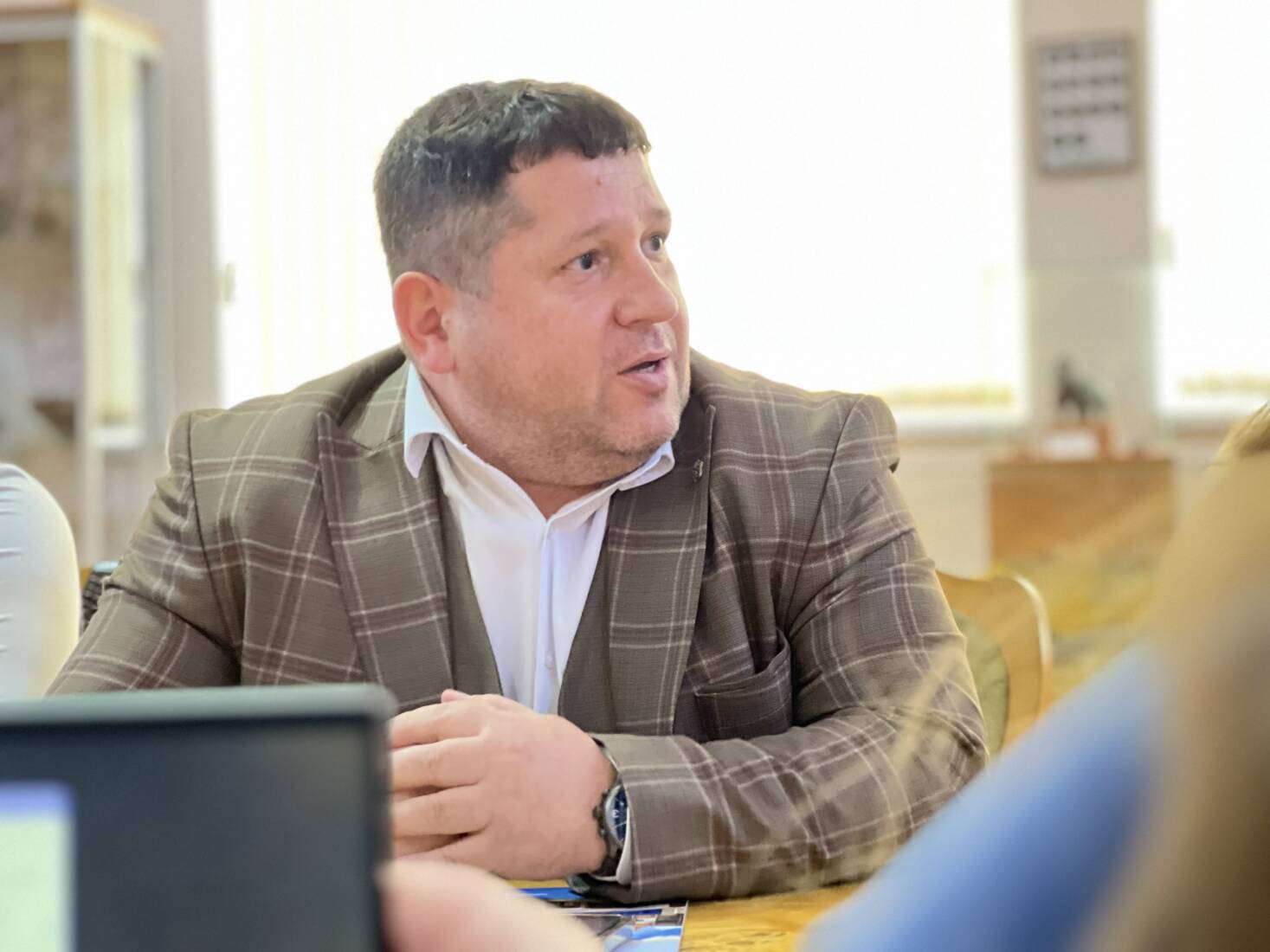
The project coordinator from Mykhailo Drahomanov University, Tetiana Matusevych, summarised the first results of the consortium's year of work and spoke about the practical outcomes of international cooperation under conditions of constant wartime risks.

“We have already developed a training course, approved it at all partner universities, and some higher education institutions – in particular Drahomanov University and Uzhhorod University – have already begun its implementation. Of course, working now is incredibly difficult: in Kyiv, due to shelling, there is often no electricity, no water, no heating, and sometimes buildings are closed. But despite the war, we have coped with all deadlines and set tasks. In addition to the programme itself, our manual is almost ready, and all partners have provided video lectures and presentations for the online learning platforms so that learning can take place even asynchronously. The main thing is that there is genuine motivation among both teachers and students to develop in this direction,” emphasises Tetiana Matusevych.
Despite the fact that Ukrainian higher education institutions have to adapt to the realities of blackouts, air raid alerts and online formats, the work on the project proves the main thing: the true resilience of Ukrainian education lies not in postponing plans until peacetime, but in the ability to sustain science here and now. And the integration of the principles of sustainable development and European practices becomes the solid foundation on which the country's new, modern future will be built.


In addition to the working programme, guests were also treated to a tour of the Balahuri Archaeological Museum and an introduction to the historical heritage of Uzhhorod, which most guests were visiting for the first time.
Kseniia Shokina


